Winter crown protection
In cold regions, tie the foliage loosely into a bundle in late fall and mulch 5–10 cm around, but not over, the crown to reduce freeze-thaw damage and crown rot risk.

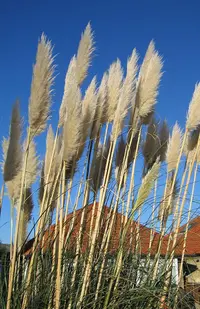
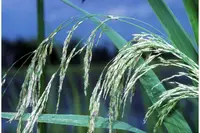
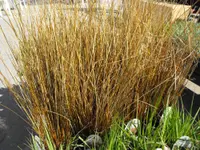
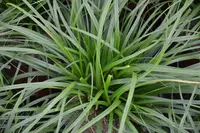
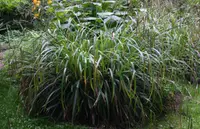
Pampas grass, Cortaderia selloana, is a large, clump-forming ornamental grass grown mainly for its tall, feathery plumes. It forms dense, arching tufts of slender, often sharp-edged leaves and can become a striking focal point in open landscapes.
This species is native to South America, particularly grasslands of Argentina, Brazil, and surrounding regions, and has naturalized in many mild coastal areas. It is generally tough, drought-tolerant once established, and responds well to full sun and well-drained soil.
Because it can spread by seed in suitable climates, it is considered invasive in some regions. Gardeners who want to care for Pampas grass should check local guidelines before planting and manage flowering plumes responsibly.

Care Difficulty
Easy Care

Light Preference
Full Sun

Water Requirements
Low Water

Temperature Preference
Warm Climate

Hardiness Zone
7–11

Soil Texture
Sandy, Loamy, Clay

Soil pH
Slightly acidic (6.5–7.0), Slightly alkaline (7.0–7.5)

Soil Drainage
Well-drained

Fertilization
Minimal (feed rarely)
Scan your plant to receive care tips personalized for your specific plant
Available on iOS and Android
This sun-loving grass thrives in open, bright conditions with limited competition from taller plants.
This drought-tolerant grass prefers deep, infrequent watering once established rather than constant surface moisture.
This warm-season grass is adapted to mild to hot climates and can handle a range of outdoor conditions when established.
Humidity is rarely a concern, as Cortaderia selloana is highly tolerant of dry outdoor air.
Cortaderia selloana grows best in moderately fertile, well-drained mineral soils.
This species can be grown in large outdoor containers but needs careful handling due to its size and weight.
Cortaderia selloana grows well in moderately fertile soil and benefits from light feeding in poor or depleted sites.
Cortaderia selloana responds well to firm annual pruning that maintains shape, safety, and flowering performance.
Large Pampas grass clumps are usually grown in-ground and only occasionally moved or divided.
Cortaderia selloana is most commonly propagated by division to maintain clump characteristics and flowering quality.
Established clumps are fairly cold hardy but young plants and container-grown Pampas grass benefit from simple winter care.

Plant Health Check
Not sure what's wrong with your plant? Check your plant's health inside the app.
This species relies on wind rather than insects for pollination, producing large quantities of light pollen that can travel long distances from the feathery plumes.
The leaf margins carry tiny silica-rich teeth that can easily cut human skin and animal tissue, which is why dense clumps often function as an effective physical barrier.
In parts of coastal California, New Zealand, and Australia, this grass is listed as an invasive species because its abundant seeds colonize disturbed ground, outcompete native plants, and alter fire regimes.

Individual flower plumes from this grass have been documented to produce tens of thousands of viable seeds each season, which explains both its rapid spread in suitable climates and the strict regulations on planting it in some regions.
This species forms large clumps and produces many wind-dispersed seeds, so it can spread beyond planting areas, especially in mild climates. Deadhead plumes before seeds mature and remove unwanted seedlings to prevent it becoming problematic.
Keep your plants happy and healthy with plant identification, disease detection, and easy care guidance.