hairy crabgrass Care (Digitaria sanguinalis)

Also known as: Hairy Finger-grass, Land Grass, crab-grass, hairy finger-grass, Summer grass, Crab Finger Grass, Crabfingergrass, Crop Grass, Early Crab Grass, Large Crab Grass, Manna, Polish Millet, Wild Millet, Crap-grass
hairy crabgrass

About hairy crabgrass

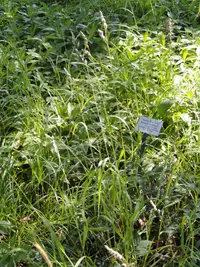
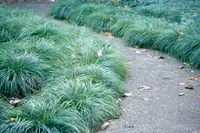
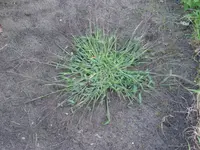
Hairy crabgrass (Digitaria sanguinalis) is an annual grass commonly found in lawns, gardens, fields, and disturbed soil. It forms low, spreading clumps with hairy stems and leaf blades. Seed heads rise above the foliage in several slender, finger-like spikes that produce many seeds. This allows the plant to spread quickly and compete strongly with turf and crops. It thrives in full sun, warm conditions, and dry or compacted soil, which makes it persistent in managed landscapes. Understanding how to care for hairy crabgrass in a controlled setting is mainly relevant for study or forage use, since most gardeners try to prevent or remove it.

Main Plant Requirements

Care Difficulty

Easy Care

Light Preference

Full Sun

Water Requirements

Moderate Water

Temperature Preference

Warm Climate

Hardiness Zone

3–10

Soil Texture

Sandy, Loamy, Clay

Soil pH

Acidic (5.5–6.5), Slightly acidic (6.5–7.0)

Soil Drainage

Well-drained

Fertilization

Minimal (feed rarely)

Get Personalized Care Plan

Scan your plant to receive care tips personalized for your specific plant

Available on iOS and Android

How to Care for the hairy crabgrass

Digitaria sanguinalis performs best in open, sunny positions typical of summer annual grasses.

  • Provide full sun for 6–8 hours daily; the plant also tolerates 3–4 hours of light partial shade, especially in hot climates.
  • Favor morning sun with some relief from intense late-afternoon exposure to reduce leaf scorch on hairy crabgrass patches.
  • In late spring and summer, avoid heavy shade from taller crops or shrubs, or stems will elongate, weaken, and set fewer seeds.

Water needs for Digitaria sanguinalis are moderate and closely tied to soil type and heat levels.

  • Allow the top 3–5 cm of soil to dry between waterings; the grass prefers slightly dry to evenly moist, not saturated, soil.
  • Use free-draining, loamy or sandy soil so puddles disperse within 1–2 hours; yellowing, limp foliage often indicates overwatering or poor drainage.
  • Increase watering frequency during hot, dry spells when blades curl or lose vigor, and reduce it in cooler or rainy periods to avoid root stress.

This warm-season annual grass thrives in summer-like conditions and stops growing when it is too cool.

  • Aim for active growth at 75–90°F (24–32°C); germination and spread slow markedly below about 60°F (16°C).
  • Recognize that plants are frost-sensitive; temperatures near 32°F (0°C) or a light freeze will damage foliage and can kill seedlings outright.
  • Expect good heat tolerance up to about 100°F (38°C) if soil moisture is adequate; in extreme heat with drought, leaves may brown and growth will stall.

Humidity is not a significant factor for Digitaria sanguinalis in typical outdoor conditions.

Digitaria sanguinalis grows best in light, well-drained mineral soils and tolerates relatively poor fertility.

  • Use sandy or sandy-loam soil that lets water pass through quickly but still holds some moisture around the root zone.
  • Aim for slightly acidic to neutral pH, around 6.0–7.0, avoiding strongly acidic or salty soils that restrict root function.
  • In heavier ground, mix in coarse sand or fine gravel to improve aeration and prevent waterlogging after rain.
  • Avoid dense clay, compacted areas, or spots where water stands for more than a few hours, which can rot shallow roots.

This species can be grown in containers mainly for observation, research, or controlled management rather than ornamental use.

  • Choose a wide, shallow container to accommodate its spreading habit and fibrous surface roots without encouraging deep rooting.
  • Use a gritty, fast-draining mix and let the upper layer dry slightly between waterings to mimic open, exposed soil.
  • Place the pot where wind exposure is moderate so the container does not tip as the plant mats and leans outward, like hairy crabgrass.

Digitaria sanguinalis, or hairy crabgrass, survives in poor soils and usually needs only minimal fertilization.

  • If growth is weak, apply a light topdressing of compost in spring to improve soil structure and microbial activity.
  • Use a diluted balanced NPK fertilizer at 1/4–1/2 strength once at the start of the active growing season if soil is very depleted.
  • Avoid repeated or heavy feeding, which encourages excessive, weak growth and may increase unwanted spread.
  • Skip fertilization in late fall and winter, when plants are declining or dormant.

Pruning Digitaria sanguinalis is mainly used to limit spread and reduce reseeding rather than to shape the plant.

  • Mow or cut back flowering stems in late summer before seed heads fully mature to reduce self-seeding.
  • Remove dead, damaged, or diseased foliage with clean shears or a sharp knife to reduce pest and pathogen reservoirs.
  • Cut back dense, crowded patches at ground level to thin growth and improve air circulation.
  • For small infestations, hand-pull plants at the base, removing as much root as possible.

This annual grass is rarely kept long term in containers, so management focuses on transplanting or moving seedlings rather than classic repotting.

  • Transplant in spring after frost once seedlings have 2–3 true leaves and soil is workable and warm.
  • Move plants if growth is stunted or crowded, or if containers dry out very fast, indicating limited root space.
  • Lift seedlings with a trowel, keeping a soil clump around roots to reduce shock and moisture loss.
  • Replant into loose, well-drained soil at the same depth, water thoroughly, then keep evenly moist for 3–5 days.

Propagation of Digitaria sanguinalis is almost always by seed, as the plant completes its life cycle within one growing season.

  • Collect seed heads in late summer to early fall once they turn brown and dry, then store seeds in a cool, dry place.
  • Sow seeds in spring onto the soil surface or very shallowly covered, as light aids germination.
  • Maintain warm conditions around 68–77°F and keep the topsoil evenly moist but not waterlogged.
  • For container or research use, thin seedlings to reduce competition and encourage stronger individual plants.

Digitaria sanguinalis is a warm-season annual that dies with hard frost, so it does not require classic winter care.

  • In lawns or disturbed areas, dead foliage can be mown or removed in late fall to reduce seed carryover.
  • Mulching is generally unnecessary, but a light mulch layer can help suppress overwintering seeds in managed beds.
  • Container-grown plants can be discarded after frost; new plants are raised from seed the following spring.

Care Tips

Targeted patch removal

When patches become dense, undercut them shallowly with a sharp hoe or turf knife and lift the entire clump, including surface stolons and roots, to reduce rapid reseeding into adjacent beds or turf.

Seed head management

Mow or trim before seed heads fully elongate and turn tan, since removing inflorescences at this stage can greatly cut the seed bank that will germinate in the next 1–3 seasons.

Mulch edge control

At bed edges or pathways, maintain a 5–8 cm layer of coarse wood chip mulch, which makes it harder for young plants to root at the nodes and simplifies hand-pulling of escapees.

Pre-emergent timing

In managed landscapes, apply a labeled pre-emergent herbicide just before soil consistently reaches about 55°F in spring, and avoid disturbing the soil deeply afterward so the chemical barrier stays effective.

Competition through cover

Use dense groundcovers or thick, healthy turf to create strong competition for light and space, which is one of the most reliable long-term strategies for caring for hairy crabgrass in mixed plantings.

Common Pests and Diseases

Brown patch

This disease causes irregular brown or tan patches in turf where crabgrass dominates, often with a darker margin and thinning plants. Symptoms include foliar blight that is most active in warm, humid weather and in overwatered or heavily fertilized sites.

Solution

Reduce evening irrigation, improve drainage, and avoid excess nitrogen to lower disease pressure. Where needed, spot-treat affected turf areas containing crabgrass with a lawn fungicide labeled for brown patch and overseed with desirable grasses as the crabgrass declines.

Leaf spot

This disease produces small purple, brown, or gray lesions on crabgrass leaves that can merge into larger blighted areas, especially in dense, wet stands. Symptoms include premature leaf death and a general decline in vigor, which can open space for other weeds.

Solution

Mow at the recommended height to improve air circulation, water early in the day so foliage dries quickly, and remove heavy clippings from heavily infested spots. In high-value turf, a foliar fungicide labeled for leaf spot on warm-season grasses may be used, combined with overseeding and better cultural management to reduce reliance on herbicides for Digitaria sanguinalis care.

Armyworms

These insects are caterpillars that feed in groups and can quickly strip foliage from crabgrass patches, leaving irregularly chewed leaves and thin, scalped-looking areas. This pest is most active from late afternoon into the night and may leave greenish droppings on the soil surface.

Solution

Encourage natural predators by limiting broad-spectrum insecticides and keeping turf healthy. If large populations develop, treat at dusk with a targeted lawn insecticide or a biological product containing Bacillus thuringiensis (Bt), focusing on the areas where larvae are actively feeding.

Cutworms

These insects are soil-dwelling caterpillars that chew off crabgrass seedlings or tillers near the soil line, causing small, dead patches that can coalesce in newly established or thin turf. Symptoms include severed stems and wilted plants that pull up easily.

Solution

Maintain a clean lawn by reducing thick thatch and excess plant debris where larvae hide. In problem spots, irrigate lightly in the evening to draw cutworms to the surface, then apply a targeted insecticide or Bt product and mow the area the next day to expose survivors to predators.

Nematode injury

These microscopic roundworms feed on roots and can stunt crabgrass growth, producing thin, uneven patches where plants are easily pulled and show sparse, stubby roots. Symptoms include reduced vigor under stress, especially on sandy or very light soils.

Solution

Improve soil organic matter with compost topdressing and avoid overfertilizing, which stresses weakened roots. Where nematode pressure is high, rotate away from heavily infested turf areas, reduce tillage that spreads contaminated soil, and consider nematode-suppressive organic amendments such as certain composts or chitin-based products.

Interesting Facts

C4 photosynthesis specialist

This species uses C4 photosynthesis, a pathway that allows efficient carbon fixation and rapid growth in hot, sunny conditions where many cool-season grasses struggle.

Prolific seed producer

Each plant can produce large numbers of viable seeds that persist in the soil seed bank for years, which is a key reason it spreads so aggressively in disturbed soils and crop fields.

Cosmopolitan weed origin

Although likely native to Europe and parts of Asia, this grass has naturalized on every continent except Antarctica due to human-mediated spread through contaminated crop seed and soil movement.

Botan icon

Did you know?

Farmers and weed scientists often use hairy crabgrass as a model species in research on herbicide resistance and weed management because of its rapid life cycle, high seed output, and strong competition with crops.

FAQs about hairy crabgrass

This species germinates and establishes quickly in warm weather, often reaching full size within a few weeks. Growth accelerates in disturbed, nutrient-rich soil and with frequent moisture, which is important to know when planning Digitaria sanguinalis care.

Grow Healthy Plants with Botan Care

Keep your plants happy and healthy with plant identification, disease detection, and easy care guidance.

Botan plant care app — identify plants on mobile

Explore More Plants