Bird-friendly spacing
Plant shrubs 1.5–2.5 m apart in loose groups rather than a single row to increase cross-pollination, berry set, and wildlife habitat value.

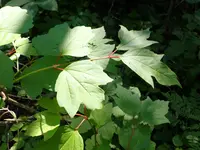
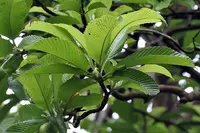
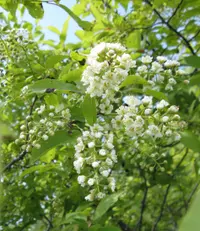
American cranberry-bush, Viburnum opulus var. americanum, is a deciduous shrub valued for its three-lobed leaves, white spring flower clusters, and bright red fall berries. It typically forms a rounded, multi-stemmed shape and suits mixed borders, hedges, and naturalistic plantings.
This species is native to North America, where it grows along woodland edges, stream banks, and moist thickets. It is considered fairly easy to grow when its basic needs are met.
The shrub prefers sun to light shade, consistent moisture, and moderately fertile, well-drained soil. Understanding these preferences helps gardeners learn how to care for American Cranberry-Bush and keep it healthy over time.

Care Difficulty
Easy Care

Light Preference
Partial Sun

Water Requirements
Regular Water

Temperature Preference
Cold Hardy

Hardiness Zone
2–7

Soil Texture
Loamy, Clay, Organic-rich

Soil pH
Acidic (5.5–6.5), Slightly acidic (6.5–7.0)

Soil Drainage
Moist but well-drained

Fertilization
Minimal (feed rarely)
Scan your plant to receive care tips personalized for your specific plant
Available on iOS and Android
This shrub thrives in full sun to light shade in typical North American gardens.
This species prefers evenly moist, well-drained soil rather than extremes of wet or dry.
This hardy shrub is adapted to cool and cold climates with pronounced winters.
Humidity is rarely a concern for this hardy shrub in typical outdoor conditions.
This shrub prefers moist, fertile, well-structured ground that stays evenly damp but not waterlogged.
This species can be grown in large outdoor containers for several years with careful moisture and stability management.
This native shrub usually grows well in average garden soil, but light feeding supports better flowering and berry set in American Cranberry-Bush.
Thoughtful pruning keeps Viburnum opulus var. americanum healthy, well-shaped, and flowering well.
This shrub is usually grown in the ground, so focus on careful transplanting rather than frequent repotting.
New plants are commonly produced from cuttings and sometimes from layered stems or seeds.
This viburnum is cold hardy in much of the US and usually needs minimal winter attention once established.

Plant Health Check
Not sure what's wrong with your plant? Check your plant's health inside the app.
This shrub was long treated as the same species as the European Viburnum opulus, but genetic and morphological studies now support Viburnum opulus var. americanum as a distinct North American taxon adapted to colder continental climates.
Its leaves host larvae of several native moths and butterflies, including some sphinx and geometers, making it an important foliage resource in northeastern and north-central forest and wetland food webs.
The bright red drupes are high in bitter-tasting compounds and remain on branches well into winter, providing a late-season food source that is especially important for fruit-eating birds after more palatable fruits are gone.

In North American wetland restoration projects, this species is frequently used as a structural and functional analog for lost native thicket-forming shrubs, because its dense branching, shade tolerance, and tolerance of periodic flooding help rebuild multi-layered habitat for birds, amphibians, and invertebrates.
The flat white spring flower clusters provide nectar and pollen for native bees, hoverflies, and some butterflies. Planting several shrubs together and avoiding insecticides nearby increases pollinator visits and improves fruit set when growing American Cranberry-Bush.
Keep your plants happy and healthy with plant identification, disease detection, and easy care guidance.