Rufous Candy Cap Care (Lactarius rufulus)

Rufous Candy Cap

About Rufous Candy Cap

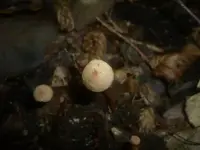
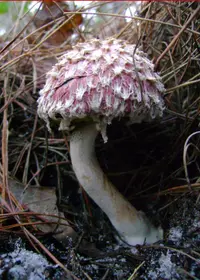
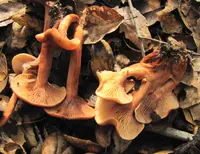
Rufous candy cap, Lactarius rufulus, is a mycorrhizal mushroom that grows in association with oak trees rather than as a typical houseplant or garden plant. It forms reddish to cinnamon-brown caps with a smooth surface and produces a white latex when cut, a key trait of the Lactarius group.

This species occurs mainly in oak woodlands of California and parts of the southwestern United States, often fruiting in cool, moist seasons. It can be challenging to cultivate because it depends on a living tree root system, so most people do not attempt to care for Rufous Candy Cap at home.

In nature it prefers dappled woodland light, consistent soil moisture, and well-drained, humus-rich soils with established oaks.

Main Plant Requirements

Care Difficulty

Hard Care

Light Preference

Partial Shade

Water Requirements

Keep Soil Moist

Temperature Preference

Warm Climate

Hardiness Zone

9–11

Soil Texture

Loamy, Sandy, Organic-rich

Soil pH

Acidic (5.5–6.5)

Soil Drainage

Moist but well-drained

Fertilization

Minimal (feed rarely)

Get Personalized Care Plan

Scan your plant to receive care tips personalized for your specific plant

Available on iOS and Android

How to Care for the Rufous Candy Cap

This ectomycorrhizal fungus prefers woodland light conditions rather than open, direct sun.

  • Aim for bright, dappled shade under established oaks, with roughly 2–4 hours of gentle morning sun and filtered light the rest of the day.
  • Avoid strong midday and afternoon sun, which can overheat the soil surface and dry the duff layer that supports Rufous Candy Cap fruiting.
  • In hot summers, increase shade with leaf litter or understory shrubs; in cooler seasons, slightly thinner canopy cover helps enough light reach the forest floor.

This species relies on consistently moist, not saturated, woodland soil around its tree partners.

  • Keep the upper 2–5 cm of soil and leaf litter slightly damp, using slow, deep irrigation during dry spells rather than frequent light sprinkling.
  • Ensure the site drains well; pooling water or sour, anaerobic smells indicate overwatering and can damage tree roots and fungal mycelium.
  • In dry, hot periods, increase watering frequency while allowing brief surface drying; in cool, wet seasons, reduce or stop added water to avoid prolonged sogginess for Lactarius rufulus.

This fungus thrives in mild climates with moderate seasonal variation rather than temperature extremes.

  • Optimal soil and air temperatures for growth and fruiting are about 55–70°F (13–21°C), often aligning with cool, moist autumn conditions in oak woodlands.
  • It tolerates brief drops to around 28–30°F (-2–-1°C) but sustained hard frost can damage fruiting bodies and slow mycelial activity.
  • Prolonged heat above 85°F (29°C) with dry conditions suppresses fruiting, so maintaining shade, mulch, and soil moisture helps buffer summer temperature spikes.

This mycorrhizal fungus needs consistently moist, not dry, air around its fruiting zone rather than controlled indoor humidity.

  • Aim for 60–90% ambient humidity in shaded, sheltered outdoor spots that mimic a forest floor for Rufous Candy Cap.
  • Watch for caps cracking, edges curling, and rapid drying of gills as signs of low-humidity stress during fruiting.
  • Increase local humidity by using thick leaf litter, misting the surrounding leaf layer, or placing perforated humidity tents over fruiting areas.

This ectomycorrhizal mushroom requires a specific outdoor soil environment rather than a standard potting substrate.

  • Use a loose, well-drained loamy soil rich in organic matter, with abundant leaf litter and fine roots from compatible host trees such as oaks for Lactarius rufulus.
  • Maintain slightly acidic to neutral conditions, around pH 5.5–7.0, avoiding liming or heavy fertilization that disrupts the fungal–root partnership.
  • Improve aeration and drainage in compact native soil by gently mixing in coarse sand and fine bark chips without destroying existing feeder roots.
  • Avoid waterlogged, heavy clay, or highly disturbed soils, since standing water and low oxygen quickly damage the fungal network and prevent fruiting.

This species is generally unsuitable for container growing because it depends on complex outdoor tree-root associations.

This ectomycorrhizal fungus relies mainly on its tree host for nutrition, so Lactarius rufulus needs minimal direct fertilizing.

  • Use light compost or leaf mold around host tree roots once a year in spring to enrich the soil ecosystem.
  • Avoid high‑salt synthetic fertilizers near the fruiting zone, which can disrupt fungal and root partners.
  • If using balanced slow‑release NPK for the host tree, apply at low label strength, staying outside the main mycelium area.

Pruning is not applicable to Lactarius rufulus, since it is a mycorrhizal fungus associated with host tree roots rather than a plant with stems and branches.

This fungus fruits from soil connected to host tree roots, so repotting or transplanting focuses on its tree partner rather than Lactarius rufulus itself.

  • Transplant only young host trees with minimal disturbance to the surrounding soil and root zone.
  • Plan moves for cool, moist seasons such as early spring or fall to reduce heat and drought stress.
  • Lift the tree with a wide root ball, keeping as much native soil and presumed mycelium attached as possible.
  • Water gently after transplanting and maintain even moisture to help roots and fungal partners reestablish.

Intentional propagation of Lactarius rufulus is difficult and rarely reliable for home growers.

In typical mild climates where this species occurs, Lactarius rufulus needs little specific winter care beyond maintaining a healthy host tree and soil.

  • In areas with unusual cold snaps, a 5–8 cm mulch layer around the host tree root zone helps buffer rapid soil temperature swings.
  • Avoid deep soil disturbance or heavy raking in winter, which can damage the fungal network near the surface.

Care Tips

Host tree selection

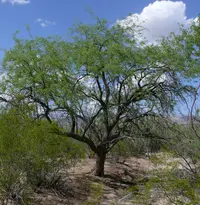
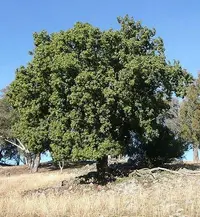
Establish the fungus only near suitable host trees such as coast live oak or related oaks, since successful fruiting depends on forming a mycorrhizal partnership with compatible roots rather than in isolated mushroom beds.

Minimal soil disturbance

Avoid tilling, deep raking, or compacting the soil in the inoculated area, as fine fungal hyphae and mycorrhizal root tips can be damaged, reducing long‑term productivity.

Leaf litter management

Maintain a light layer of oak leaf litter over the colonized zone to conserve moisture and provide a natural microhabitat, but remove thick, matted layers that might impede gas exchange around the root zone.

Targeted irrigation zone

When irrigating host trees, focus water on the drip line where most feeder roots and fungal activity occur, rather than soaking the trunk base, to support stable mycelial growth without creating waterlogged conditions.

Structured harvesting

Cut mushrooms cleanly at the base with a sharp knife and avoid disturbing surrounding soil or duff, leaving small or damaged fruiting bodies in place to allow continued spore release and support long‑term growing Rufous Candy Cap success.

Common Pests and Diseases

Mycophagous slugs

This pest feeds directly on developing and mature mushroom caps, leaving irregular holes and slime trails on Lactarius rufulus fruiting bodies. Symptoms include shredded gills, missing margins on caps, and silvery slime on nearby leaf litter.

Solution

Hand-pick slugs at dusk or early morning, use beer or yeast traps around known fruiting spots, and place coarse barriers such as crushed eggshells or diatomaceous earth in a ring around productive patches. Reduce nearby dense groundcover and wet debris that offer daytime shelter, but avoid fully removing leaf litter needed for the fungus to fruit.

Fungus gnat larvae

This pest lives in the soil and decaying organic matter and can tunnel into young mushroom primordia and caps, causing soft spots, collapse, or internal browning. Symptoms include tiny entrance holes, spongy texture, and small maggot-like larvae inside damaged tissue.

Solution

Improve surface drainage around the fruiting area, avoid chronic overwatering of nearby host trees or beds, and use yellow sticky traps to reduce adult gnats. For heavy infestation, apply a biological control with Bacillus thuringiensis var. israelensis (BTI) to the surrounding soil according to label directions to target larvae without harming the mycelium.

Mite grazing

These insects include small soil or litter mites that feed on mushroom surfaces, creating pitted or rough areas on caps and gills. Symptoms include fine speckling, shallow pits, and occasionally pale, discolored tissue where the surface has been scraped.

Solution

Gently remove and discard heavily damaged fruiting bodies and keep the surrounding leaf litter moderately loose rather than densely compacted to limit mite build-up. Encourage natural predators such as ground beetles by avoiding broad-spectrum insecticides in the area and maintain moderate, not excessive, moisture in the fruiting zone.

Bacterial soft rot

This disease causes localized water-soaked spots on caps that quickly turn slimy and foul-smelling, often starting where insects or slugs have damaged tissue. Symptoms include rapid collapse of the cap surface, wet patches, and a sour or rotten odor.

Solution

Promptly harvest and discard affected mushrooms and any adjacent fruiting bodies that show early soft spots, and avoid handling mushrooms with dirty tools or containers. Improve air movement at ground level by lightly thinning surrounding low vegetation and avoid directly wetting fruiting bodies when irrigating nearby plants or trees.

Competing saprobic fungi

This disease pressure arises when aggressive decomposer fungi in the same habitat overrun available organic matter, suppressing or replacing L. rufulus fruiting. Symptoms include a shift in visible mushrooms to other species and loss or strong reduction of regular Rufous Candy Cap flushes in a previously productive patch.

Solution

Limit large, sudden additions of high-nitrogen mulch or manure that favor fast-growing saprobes and instead maintain a stable layer of mixed hardwood leaf litter appropriate for the host trees. If managing a known patch, disturb the soil as little as possible, and introduce only clean, local leaf material rather than imported wood chips that may carry competing fungi, which supports more stable Lactarius rufulus care instructions.

Interesting Facts

Cinnamon-like aroma

When cut or bruised, this mushroom often releases a mild, sweet odor that some people compare to cinnamon or maple, which helps distinguish it from other reddish milkcaps in oak woodlands.

Milk staining behavior

The latex (milky juice) is initially whitish but can slowly stain the gills and surrounding tissues a darker reddish tone, a useful field character for separating it from similar Lactarius species.

California oak associate

This species is strongly associated with coast live oak and other California oaks, forming ectomycorrhizal partnerships that enhance tree nutrient uptake in the Mediterranean-type climates of western North America.

Botan icon

Did you know?

In parts of California, this species has a long-standing reputation among local mushroom hunters as a reliable late-season edible that often appears well into winter, outlasting many other wild mushrooms in the same habitats.

FAQs about Rufous Candy Cap

This mushroom is considered edible and is valued for its maple syrup–like aroma when dried. However, accurate identification is essential, since some similar Lactarius species are mildly toxic or cause digestive upset if misidentified or undercooked.

Grow Healthy Plants with Botan Care

Keep your plants happy and healthy with plant identification, disease detection, and easy care guidance.

Botan plant care app — identify plants on mobile

Explore More Plants