Southern Magnolia Care (Magnolia grandiflora 'Little Gem')

Also known as: Large-flowered Magnolia, Magnolia
Southern Magnolia

About Southern Magnolia

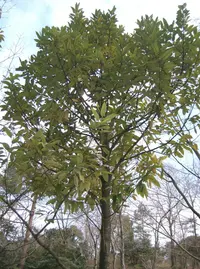
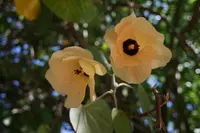
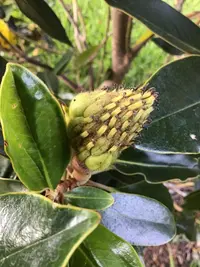
Magnolia grandiflora 'Little Gem' is a compact evergreen tree cultivar, valued for its dense foliage and large, creamy white, lemon-scented flowers. It keeps a much smaller, narrower form than the standard Southern magnolia, which makes it suitable for smaller gardens and urban landscapes.

This plant naturally comes from the southeastern United States, thriving in warm, humid climates with mild winters. Its tough, glossy leaves and relatively slow growth rate make it fairly resilient once established, but young plants need consistent care for Southern Magnolia to root well.

It prefers full sun to light shade, evenly moist but well-drained soil, and benefits from protection from harsh drying winds.

Main Plant Requirements

Care Difficulty

Moderate Care

Light Preference

Full Sun

Water Requirements

Moderate Water

Temperature Preference

Warm Climate

Hardiness Zone

7–9

Soil Texture

Sandy, Loamy, Clay

Soil pH

Acidic (5.5–6.5), Slightly acidic (6.5–7.0)

Soil Drainage

Moist but well-drained

Fertilization

Minimal (feed rarely)

Get Personalized Care Plan

Scan your plant to receive care tips personalized for your specific plant

Available on iOS and Android

How to Care for the Southern Magnolia

Magnolia grandiflora 'Little Gem' thrives with strong light but benefits from some protection in hotter regions.

  • Provide 6–8 hours of direct sun daily, ideally with morning sun and light afternoon shade in warm climates.
  • Tree tolerates partial shade, but flowering and density decline if it receives less than 4–5 hours of direct light.
  • In intense summer sun, especially in the southern range of Southern Magnolia, protect from harsh late-afternoon sun to reduce leaf scorch.

Magnolia grandiflora 'Little Gem' prefers evenly moist, well-drained soil once established.

  • Water when the top 3–5 cm of soil feels dry, applying a slow, deep soak rather than light surface sprinkling.
  • In the first 1–2 years, monitor closely during hot, dry spells; drooping or curling leaves indicate drought stress, while yellowing leaves and soggy soil suggest overwatering.
  • Use soil rich in organic matter with good drainage and apply 5–8 cm of mulch to stabilize moisture, keeping mulch a few cm away from the trunk.

This compact magnolia handles a range of outdoor temperatures but responds best to mild, stable conditions.

  • Optimal growth occurs around 65–85°F (18–29°C), with strong vegetative growth and flowering in these conditions.
  • Mature trees tolerate brief drops to about 0°F (-18°C), though young plants benefit from protection when temperatures fall below 20°F (-7°C).
  • In hot summers above 95°F (35°C), provide soil moisture and mulch to limit heat stress, and avoid planting in spots with reflected heat from pavement or walls.

This magnolia handles a fairly wide humidity range and usually does not need special humidity management outdoors.

Magnolia grandiflora 'Little Gem' performs best in deep, moisture-retentive but well-drained soil.

  • Use a loamy soil with high organic matter, such as a mix of native soil, compost, and fine pine bark.
  • Aim for slightly acidic conditions, around pH 5.5–6.5, to support nutrient uptake and root health.
  • On heavier clay sites, incorporate coarse sand or fine grit plus compost to improve drainage and aeration.
  • Avoid compacted, waterlogged, or very alkaline soils, which lead to chlorosis, root decline, and poor flowering.

This compact magnolia can be grown in large containers if the pot provides adequate root volume and stability.

  • Select a tall, heavy container to counterbalance the tree’s top-heavy canopy and reduce tipping in wind.
  • Use a chunky, woody-based potting mix that stays evenly moist yet drains freely to prevent root suffocation.
  • Raise the container slightly on pot feet or bricks to keep drainage holes clear and prevent water pooling under the base.

Magnolia grandiflora 'Little Gem' benefits from light, steady feeding rather than heavy fertilizer applications.

  • Use a balanced slow-release fertilizer (such as 10-10-10) or a thin layer of compost in early spring as new growth begins.
  • Feed once in spring and, if growth is weak or foliage pale, once again in mid-summer; avoid late-season applications.
  • Apply at half the label rate for trees, keeping granules off the trunk and watering in thoroughly.
  • During late fall and winter dormancy, do not apply fertilizer; allow the Southern Magnolia to rest.

Magnolia grandiflora 'Little Gem' needs only modest pruning to maintain structure and remove unhealthy growth.

  • Carry out pruning just after flowering in late spring or very early summer to avoid removing next year’s buds.
  • Remove dead, diseased, crossing, or inward-growing branches first using clean, sharp bypass pruners or loppers.
  • Thin congested interior shoots lightly to improve airflow and light, which supports healthier foliage.
  • Limit cuts to minor shaping of wayward branches; avoid heavy crown reduction to maintain natural form and flowering.

This magnolia is usually grown in the ground, so care focuses on careful transplanting rather than frequent repotting.

  • Plan transplanting for late fall or early spring when growth is slow and temperatures are mild.
  • Look for signs such as circling roots in containers, poor vigor, or soil drying out very quickly before moving the plant.
  • Choose a site with full sun to light shade, dig a wide planting hole, and keep the root flare level with the soil surface.
  • Handle the root ball gently, backfill with native soil, water deeply, and apply a 5–8 cm mulch ring, keeping mulch away from the trunk.

Magnolia grandiflora 'Little Gem' is propagated, but methods are slow and often require patience and controlled conditions.

  • Semi-hardwood cuttings taken in mid to late summer root best in warm, humid conditions with bottom heat and a free-draining medium.
  • Use a rooting hormone on cuttings, remove most leaves, and cover with a humidity dome or mist system to limit water loss.
  • Air layering on pencil-thick branches in late spring to early summer can produce well-rooted sections over several months.
  • Seed propagation is possible but slow; fresh seed needs cleaning, a cold stratification period, and is mainly used by specialist growers.

This magnolia is fairly cold hardy in much of its range but benefits from some winter attention in colder areas.

  • Established trees tolerate light to moderate frost, but young plants are more sensitive to prolonged freezes.
  • Apply 5–8 cm of mulch over the root zone in late fall, keeping it a few cm away from the trunk to reduce rot risk.
  • In zones near its cold limit, wrap young trunks with breathable tree wrap and shield from drying winter winds where possible.
  • Container-grown plants in cold climates should be moved into an unheated garage, shed, or sheltered porch to prevent root freeze.

Care Tips

Central leader training

During the first 3–5 years, select one strong vertical stem as the central leader and remove or shorten competing uprights in late winter to build a stable, tree-like framework that resists storm damage.

Low branch management

If planting near walkways or buildings, gradually raise the canopy by removing or shortening only 1–2 of the lowest branches per year so the tree keeps a balanced shape without large wounds.

Evergreen mulch strategy

Maintain a 5–8 cm deep mulch ring out to the drip line using pine bark or pine needles, keeping it 5–8 cm away from the trunk to conserve moisture, cool roots, and reduce mechanical damage from mowers.

Root zone protection

Avoid frequent foot traffic, vehicles, or heavy structures over the root zone (roughly out to 1.5 times the canopy spread), and if access is unavoidable, install a defined path with stepping stones or gravel to limit compaction.

Storm and snow care

After heavy wet snow or strong wind events, gently knock off accumulated snow with a soft broom and inspect for cracked limbs, pruning cleanly back to the branch collar within a few days to prevent tearing and improve long-term structure when growing Southern Magnolia.

Common Pests and Diseases

Scale insects

This pest feeds on leaves and stems, causing yellowing, leaf drop, and sticky honeydew that can lead to sooty mold. Infestations are common on older wood and dense, shaded parts of the canopy.

Solution

Prune and dispose of heavily infested twigs, then wash reachable foliage with a strong stream of water to dislodge insects. For persistent problems, apply a horticultural oil or insecticidal soap labeled for woody ornamentals, targeting the undersides of leaves and young stems during mild weather as part of Magnolia grandiflora 'Little Gem' care instructions.

Tuliptree scale

This pest is a large soft scale that produces heavy honeydew, leading to black sooty mold on leaves and branches. Symptoms include branch dieback, reduced vigor, and increased ant activity on the plant.

Solution

Cut out and destroy badly affected small branches, then monitor for crawlers (young scale) in late spring to early summer. Treat during the crawler stage with a thorough application of horticultural oil, and reduce plant stress with proper watering and mulching to help the tree recover.

Algal leaf spot

This disease is caused by a parasitic green alga that forms raised, rough, gray-green to reddish lesions on leaves and sometimes small twigs. Symptoms include cosmetic spotting and occasional minor twig dieback but usually limited impact on overall vigor.

Solution

Rake and remove fallen leaves to lower the amount of inoculum, and thin crowded branches to improve light penetration and airflow. In humid regions, copper-based fungicide-algicide sprays can be used preventively on high-value landscape trees, following label directions and timing applications before extended wet periods.

Leaf spot diseases

Symptoms include small brown or purple spots that may enlarge, coalesce, and cause premature leaf drop, especially in warm, wet weather. These fungi thrive in dense canopies with prolonged leaf wetness.

Solution

Promote good air circulation by pruning to open the canopy and avoid overhead irrigation that wets foliage for long periods. Collect and discard fallen leaves, and when outbreaks are severe, use a labeled ornamental tree fungicide applied at the start of the wet season to protect new growth.

Sooty mold

This disease is a black, powdery fungal growth that develops on leaves and stems where honeydew from sap-feeding insects such as scale and aphids has accumulated. Symptoms include a dull, blackened leaf surface and reduced photosynthesis, which can weaken the plant over time.

Solution

Focus on controlling the underlying honeydew-producing insects using pruning, washing foliage, and targeted use of horticultural oils or insecticidal soaps. Once insect pressure is reduced, gently wash affected leaves with water to remove the mold, and improve canopy airflow to help surfaces dry more quickly after rain or irrigation.

Interesting Facts

Naturally compact form

This cultivar was selected for its dwarf, narrow growth habit, typically staying under 20 ft tall, which is unusually small compared with the wild Southern magnolia that often reaches 60–80 ft.

Prolonged blooming season

It flowers over a longer period than many other Southern magnolia selections, often producing creamy white, lemon-scented blooms intermittently from late spring well into summer in suitable climates.

Smaller, thicker foliage

Its leaves are smaller, denser, and often more heavily rust-brown and felted on the underside than the species type, giving the tree a tighter, more textured appearance suited to hedging and screening.

Botan icon

Did you know?

This cultivar originated in the mid-20th century in North America and became one of the first widely planted compact Southern magnolias, which helped make growing Southern Magnolia feasible in smaller urban and suburban gardens where the full-size species was impractical.

FAQs about Southern Magnolia

This species is considered evergreen because it keeps foliage year-round, but individual leaves are regularly shed and replaced. Older leaves yellow and drop, especially in spring, which is a normal renewal process rather than winter dormancy.

Grow Healthy Plants with Botan Care

Keep your plants happy and healthy with plant identification, disease detection, and easy care guidance.

Botan plant care app — identify plants on mobile

Explore More Plants