Early formative pruning
In the first 2–3 years, remove low, crossing, or overly vigorous side branches in late winter to create a strong central leader and scaffold branches that will better support the plant in wind as it matures.

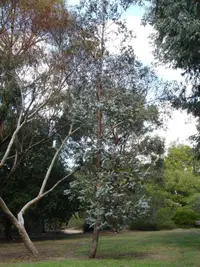
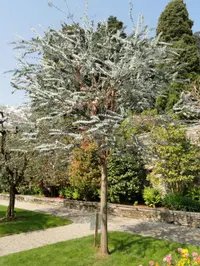
Silver dollar tree, Eucalyptus cinerea, is a fast-growing evergreen tree known for its round, silvery blue juvenile leaves and clean, upright habit. It is often grown as an ornamental tree, screen, or for cutting foliage in floral arrangements.
This species is native to southeastern Australia, where it grows in open woodland and dry forest. In gardens it prefers full sun, well-drained soil, and moderate moisture.
It is generally vigorous and tolerant of heat, light frost, and pruning, which makes it fairly straightforward to care for Silver Dollar Tree when its light and drainage needs are met.

Care Difficulty
Moderate Care

Light Preference
Full Sun

Water Requirements
Low Water

Temperature Preference
Warm Climate

Hardiness Zone
8–11

Soil Texture
Sandy, Loamy, Rocky

Soil pH
Acidic (5.5–6.5), Slightly acidic (6.5–7.0)

Soil Drainage
Well-drained

Fertilization
Minimal (feed rarely)
Scan your plant to receive care tips personalized for your specific plant
Available on iOS and Android
Eucalyptus cinerea prefers strong light and performs best in open, bright positions.
This species prefers drying between waterings and is more drought tolerant once established.
This eucalyptus prefers mild, warm conditions and dislikes extended freezing weather.
This species tolerates relatively dry air and rarely needs extra humidity indoors.
Eucalyptus cinerea prefers fast-draining, mineral-lean soil that does not stay wet.
This species can be grown in containers if the pot and setup support its fast, woody growth.
Eucalyptus cinerea grows on lean soils and needs only modest fertilization in containers or poor ground sites.
Pruning Eucalyptus cinerea helps control size, shape, and foliage quality, especially in small gardens or containers.
Transplanting or shifting containers is mainly needed for young Eucalyptus cinerea before roots become woody.
Propagation of Eucalyptus cinerea is most reliable from seed, with cuttings used less often by home growers.
Mature Eucalyptus cinerea has moderate frost tolerance but young or container plants benefit from simple winter protection.

Plant Health Check
Not sure what's wrong with your plant? Check your plant's health inside the app.
This species naturally maintains its round, silvery juvenile leaves for a long portion of its life cycle, which is unusual among eucalypts that typically switch quickly to narrow adult leaves.
Compared with many other eucalyptus species, it tolerates light frosts and cooler climates, which has allowed it to be grown successfully in parts of temperate regions outside its native range in southeastern Australia.
Its leaves contain essential oils rich in cineole, also known as eucalyptol, which contributes to the characteristic strong aromatic scent and makes the foliage highly unpalatable to many herbivores.

Eucalyptus cinerea has become a favored cut-foliage crop worldwide because its durable, waxy, blue-grey leaves hold both color and aroma for a long time after harvest, making it a standard material in floral design and greenery production.
This species is generally fast-growing, often adding 60–120 cm per year in suitable outdoor conditions. Growth slows in containers or poor soil. Regular pruning can control size but slightly reduces annual height gain.
Keep your plants happy and healthy with plant identification, disease detection, and easy care guidance.