soldierwood Care (Colubrina elliptica)

soldierwood

About soldierwood

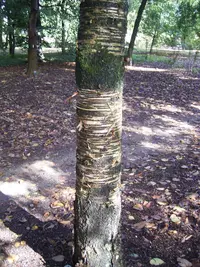
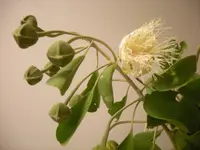
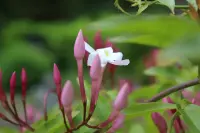
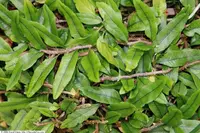
Soldierwood, Colubrina elliptica, is a small evergreen tree or large shrub native to coastal areas of Florida, the Caribbean, and parts of Central and South America. It naturally forms a dense, rounded crown with small glossy leaves and inconspicuous greenish flowers, followed by small capsules that can attract wildlife.

This species is typically used in coastal plantings, hedges, and restoration projects because it tolerates wind, salt spray, and poor, rocky soils. It is generally hardy once established but can be slow to start, so understanding how to care for soldierwood improves long‑term success.

Soldierwood prefers full sun, well‑drained soil, and moderate moisture, and it responds well to light shaping or pruning in managed landscapes.

Main Plant Requirements

Care Difficulty

Moderate Care

Light Preference

Full Sun

Water Requirements

Moderate Water

Temperature Preference

Tropical / Frost Sensitive

Hardiness Zone

10–11

Soil Texture

Sandy, Loamy, Rocky

Soil pH

Slightly acidic (6.5–7.0), Neutral (7.0)

Soil Drainage

Well-drained

Fertilization

Minimal (feed rarely)

Get Personalized Care Plan

Scan your plant to receive care tips personalized for your specific plant

Available on iOS and Android

How to Care for the soldierwood

Colubrina elliptica grows best in bright, warm sites with strong but not extreme sun exposure.

  • Provide 6–8 hours of direct sun daily, ideally with morning sun and some light afternoon shade in hotter regions.
  • Plant in an open position but allow partial shade (3–4 hours filtered light) for young or newly transplanted soldierwood to reduce leaf scorch.
  • Watch for pale, sparse growth in deep shade and leaf scorch or crispy edges in intense all-day sun, especially during late spring and summer.

Colubrina elliptica prefers deep, infrequent watering once established, with time for the soil surface to dry between soakings.

  • Outdoors in the ground, water when the top 3–5 cm of soil feels dry, applying a slow, deep soak rather than light sprinkling.
  • Reduce watering in cooler months when growth slows, but do not allow prolonged drought that causes leaf drop or twig dieback.
  • Use well-drained soil; signs of overwatering include yellowing leaves and soft new growth, while curling, browning tips signal underwatering.

This coastal shrub thrives in warm, frost-free climates with stable, mild to hot temperatures.

  • Aim for 70–90°F (21–32°C) for strongest growth, with good airflow to handle humid, coastal conditions.
  • Protect from cold; growth slows below 60°F (16°C), and damage occurs near 40°F (4°C), with serious injury or death at freezing.
  • In hotter inland sites above 95°F (35°C), provide mulch and occasional afternoon shade to limit heat stress and leaf scorch.

This species tolerates a wide humidity range but grows best with moderately moist air.

  • Aim for 40–60% humidity, similar to many subtropical outdoor conditions.
  • Leaves may curl, brown at the edges, or drop prematurely if exposed to very dry air for extended periods.
  • Increase humidity outdoors by mulching the root zone and grouping plants; indoors, use a pebble tray or nearby humidifier when air is under 30%.

This species prefers well-structured, free-draining soil that stays lightly moist but not saturated.

  • Use a sandy or sandy-loam mix with 30–40% coarse sand plus organic matter such as compost or leaf mold to support steady growth.
  • Ensure rapid drainage by blending in perlite or fine gravel so water clears the surface within a few minutes after watering.
  • Target a slightly acidic to neutral pH around 6.0–7.0 for Colubrina elliptica, avoiding highly alkaline or strongly acidic sites.
  • Avoid compacted clay, waterlogged spots, or heavy mixes without grit, and loosen planting zones to about 30–40 cm depth to improve aeration.

This shrub can be grown in containers when given enough root volume and stable support.

  • Choose a deep, heavy pot that resists tipping, as the woody top growth becomes dense and can catch wind.
  • Select a container material like thick ceramic or concrete that moderates moisture loss and anchors the developing root system.
  • Raise the pot on feet or bricks so drainage holes clear freely and excess water exits quickly after heavy rain or deep watering.

Colubrina elliptica grows reasonably well in native soils but benefits from light, balanced feeding in poor or disturbed sites.

  • Use a balanced, slow-release fertilizer (for example 10-10-10) or well-rotted compost in spring at the start of active growth.
  • Apply fertilizer once at the beginning of the warm growing season; a second light dose mid-season is enough in very lean soils.
  • Reduce or stop feeding in cooler months when growth slows, especially in regions with a distinct winter.
  • Use fertilizers at half the label rate to avoid salt buildup and excessive, weak shoot growth in soldierwood.

Pruning Colubrina elliptica focuses on safety, structure, and clearance rather than frequent shaping.

  • Carry out main pruning in late winter or early spring before vigorous new growth starts.
  • Remove dead, diseased, storm-damaged, or rubbing branches first to maintain plant health and reduce infection risk.
  • Thin congested interior shoots to improve light penetration and airflow, helping maintain a balanced canopy.
  • Use sharp, clean bypass pruners or a pruning saw, making smooth cuts just outside the branch collar without leaving stubs.

This species is mainly grown in the ground, so attention centers on correct site selection and gentle transplanting when young.

  • Transplant container-grown Colubrina elliptica in late spring or early summer once soil is warm and frost risk has passed.
  • Look for circling roots at the drain holes or slow, stalled growth as indicators that a nursery plant is ready for planting out.
  • Transplant every 1–2 years while young, then leave established trees undisturbed to allow a deep, stable root system.
  • At planting, loosen circling roots, set at the same depth as in the pot, water thoroughly, and mulch 5–8 cm to limit stress.

Colubrina elliptica is usually propagated from seed, with vegetative methods used less often.

  • Collect ripe seeds from mature fruits and sow in warm conditions in late spring to early summer.
  • Lightly scarify hard seed coats with sandpaper and soak for several hours to improve water uptake and germination.
  • Sow seeds in a well-drained, sandy mix, keep evenly moist, and maintain temperatures around 70–80°F for best results.
  • Semi-hardwood cuttings taken in early summer root under high humidity with a rooting hormone and bottom warmth, though success rates vary.

This warm-climate species has low frost tolerance and benefits from basic winter protection in cooler regions.

  • Avoid planting in areas that routinely drop below 25°F, as repeated hard freezes can kill young trees.
  • Apply a 5–8 cm mulch layer over the root zone in late fall, keeping it slightly away from the trunk to reduce rot risk.
  • Wrap young trunks with breathable tree guards or frost cloth during cold snaps to limit bark injury and cracking.
  • Grow container plants in large pots and move them indoors or into a frost-free greenhouse when temperatures near freezing.

Care Tips

Wind-firm training

In the first 2–3 years, lightly stake young plants and prune back overly long, whippy shoots after storms so the plant develops a shorter, well-branched framework that resists wind damage.


Salt-exposure management

In coastal sites, hose off foliage and young stems with fresh water after strong sea winds to reduce salt buildup that can scorch leaves and slow growth.

Root-zone protection

Keep a 5–10 cm organic mulch layer over the root zone, but 5–8 cm away from the trunk, to buffer soil temperature, reduce erosion on sandy sites, and improve long-term drought resilience.

Regenerative coppicing

Every 5–7 years, established specimens can be cut back hard during the dry, cool season to 30–60 cm above ground to rejuvenate growth, then thinned to 3–5 strong new stems as they resprout.

Wildlife and litter control

If fruit drop is a problem near paths or patios, prune lightly after flowering to reduce fruit set, and use groundcovers or low shrubs beneath the canopy to trap litter and make collection easier when growing soldierwood.

Common Pests and Diseases

Leaf-chewing caterpillars

This pest often defoliates young soldierwood plants, leaving irregular holes or completely eaten leaves. Symptoms include ragged foliage, frass (droppings) on leaves, and rapid loss of canopy on small plants.

Solution

Hand-pick caterpillars where practical and prune heavily damaged shoots to encourage new growth. For larger shrubs or repeated attacks, use a targeted Bacillus thuringiensis (Bt) product in the evening and maintain diverse surrounding vegetation to support natural predators such as birds and parasitic wasps.

Whiteflies

These insects feed on the underside of soldierwood leaves, causing yellowing, leaf drop, and a fine white cloud of adults when branches are disturbed. Honeydew excreted by whiteflies can lead to sooty mold on foliage and nearby surfaces.

Solution

Spray the undersides of leaves with a strong stream of water to dislodge adults and nymphs, then apply insecticidal soap or horticultural oil, repeating every 7–10 days as needed. Improve airflow around the plant by thinning dense branches and avoid excessive nitrogen fertilization, which encourages soft, attractive new growth.

Soft scale

This pest appears as small, rounded or oval bumps on stems and leaf midribs, where it feeds on sap and weakens the plant. Sticky honeydew and black sooty mold often develop beneath infested branches.

Solution

Prune and discard heavily infested twigs, then wipe remaining colonies with a cloth or cotton pad dipped in diluted alcohol or insecticidal soap. For larger shrubs, apply a horticultural oil spray during mild, dry weather to smother scale and monitor regularly for reinfestation as part of broader Colubrina elliptica plant care.

Leaf spot

This disease causes small brown to dark-purple spots that may enlarge and merge, leading to patchy yellowing and premature leaf drop on soldierwood. Symptoms include more severe spotting during warm, humid weather or on trees growing in dense coastal thickets with poor air movement.

Solution

Collect and dispose of fallen leaves, avoid overhead irrigation, and thin crowded branches to improve airflow through the canopy. In sites with recurring problems, apply a copper- or chlorothalonil-based fungicide at the start of warm, wet periods, following label directions and focusing on thorough coverage of young foliage.

Sooty mold

This disease appears as a black, powdery to velvety coating on leaves and stems, growing on honeydew produced by whiteflies, scale, or other sap-feeding insects. Photosynthesis is reduced, and foliage may look dull and unhealthy even though the fungus does not invade plant tissues directly.

Solution

Control the underlying sap-feeding insects with targeted measures such as insecticidal soap, horticultural oil, and pruning of infested shoots. Once honeydew production declines, gently wash affected leaves with water to remove the mold and restore normal light exposure to the foliage.

Interesting Facts

Natural hammock species

This coastal shrub is native to tropical rocklands and hardwood hammocks of southern Florida and the Caribbean, where it helps stabilize rocky, alkaline soils near shorelines.

Specialist insect host

Its foliage serves as a larval host for several specialized moth and butterfly species in south Florida and the Caribbean, making it important in local food webs.

Salt and wind tolerant

The plant shows notable tolerance to salt spray and coastal winds, which allows it to form dense thickets in exposed seaside habitats.

Botan icon

Did you know?

Colubrina elliptica produces hard, 3-lobed capsules that dry and open explosively, flinging the shiny black seeds a short distance away in a mechanical seed-dispersal process known as ballistic dispersal.

FAQs about soldierwood

This species performs best outdoors in warm, frost-free climates where it receives strong light, space, and natural rainfall patterns. Soldierwood indoor care is difficult long term because the tree becomes large and needs full sun and deep soil.

Grow Healthy Plants with Botan Care

Keep your plants happy and healthy with plant identification, disease detection, and easy care guidance.

Botan plant care app — identify plants on mobile

Explore More Plants