Container size strategy
Use a wide, heavy container at least 35–45 cm across to anchor the tall foliage and allow strong corm and root development without the plant becoming top-heavy or tipping over in wind.

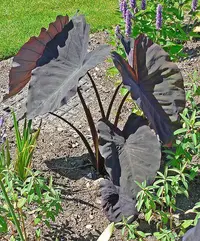
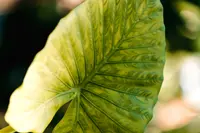
Colocasia esculenta 'Black Magic' is a tropical aroid grown for its dramatic, dark purple to nearly black, heart-shaped leaves. It is usually grown as a bold foliage feature in containers, ponds, or shaded beds.
This elephant ear forms clumps from underground tubers and can reach an impressive size in warm, humid conditions. It naturally occurs in warm, moist regions of Asia but is widely cultivated in subtropical and temperate gardens.
The plant prefers consistently moist, rich soil and shelter from harsh, drying sun and wind. Understanding how to care for Elephant Ear starts with providing warmth, moisture, and protection from cold, as it is not tolerant of frost or prolonged dryness.

Care Difficulty
Moderate Care

Light Preference
Partial Sun

Water Requirements
Aquatic

Temperature Preference
Tropical / Frost Sensitive

Hardiness Zone
8–11

Soil Texture
Loamy, Clay, Organic-rich

Soil pH
Acidic (5.5–6.5), Slightly acidic (6.5–7.0)

Soil Drainage
Waterlogged tolerant

Fertilization
Heavy (weekly, diluted)
Scan your plant to receive care tips personalized for your specific plant
Available on iOS and Android
Colocasia esculenta 'Black Magic' grows best with bright, indirect light and protection from harsh midday sun.
This plant prefers consistently moist conditions and does not tolerate extended drying.
Stable warmth is important for strong growth and healthy foliage.
This cultivar prefers consistently high humidity to keep its large leaves healthy.
Colocasia esculenta 'Black Magic' thrives in consistently moist, airy, organic-rich soil.
This species is well suited to container growing when the pot supports its size and moisture needs.
This fast-growing aroid benefits from steady nutrients during the warm growing season.
Pruning focuses on removing tired foliage to keep Colocasia esculenta 'Black Magic' healthy and tidy.
Container-grown plants and clumps in the ground sometimes need more space to sustain strong growth.
New plants are typically produced by division of tubers or offsets rather than seed.
Cold sensitivity means this plant needs clear winter planning, especially outside warm zones.

Plant Health Check
Not sure what's wrong with your plant? Check your plant's health inside the app.
The leaves develop their deep purple-black color from high concentrations of anthocyanin pigments, which can help protect the plant from strong light and may slightly vary in intensity with sun exposure and temperature.
Unlike many dark-leaved ornamentals, this cultivar holds its intense color even in relatively low light, which makes Elephant Ear indoor care visually striking compared to green-leaved Colocasia types.
This plant typically forms tight clumps from tubers rather than long spreading stolons, so in gardens it tends to stay more contained than many other taro or elephant ear forms under similar conditions.

This cultivar was selected from Colocasia breeding work specifically for its stable, nearly black foliage, and it helped popularize dark-leaved elephant ears in modern ornamental breeding programs worldwide.
Brown leaf edges usually come from low humidity, salt buildup from fertilizer, or inconsistent moisture around the roots. Flush the pot occasionally, maintain steady watering, increase humidity, and trim only fully dry, crispy tissue.
Keep your plants happy and healthy with plant identification, disease detection, and easy care guidance.