Root flare check
When planting or repotting, expose the top of the root flare slightly above soil level to reduce risk of bark rot and improve long‑term trunk stability for growing Oliver's maple.

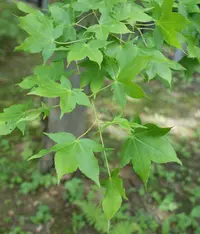
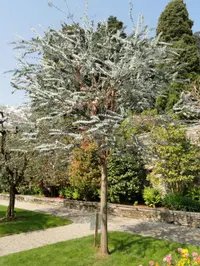
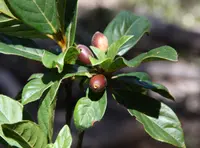
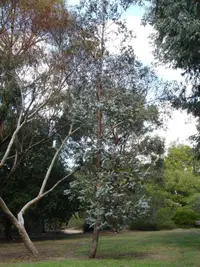
Oliver's maple, Acer oliverianum, is a deciduous small tree valued for its fine branching and soft, often pink-flushed new leaves that mature to fresh green. The canopy is typically rounded and airy, giving a light, elegant look in gardens.
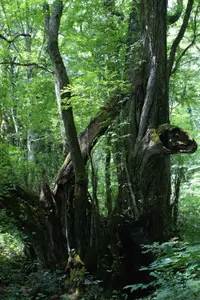
This species is native to parts of central and eastern China, where it grows in mountain forests with cool, moist conditions. It is generally considered moderate in difficulty, as it dislikes drought, waterlogging, and harsh, drying winds.
Gardeners who care for Oliver's maple usually provide dappled light, even moisture, and a fertile, well-drained soil to keep growth steady and foliage attractive.

Care Difficulty
Moderate Care

Light Preference
Partial Shade

Water Requirements
Moderate Water

Temperature Preference
Cool Climate

Hardiness Zone
6–9

Soil Texture
Loamy, Sandy, Organic-rich

Soil pH
Acidic (5.5–6.5), Slightly acidic (6.5–7.0)

Soil Drainage
Moist but well-drained

Fertilization
Minimal (feed rarely)
Scan your plant to receive care tips personalized for your specific plant
Available on iOS and Android
This small deciduous tree prefers bright, gentle light to maintain healthy growth and foliage color.
This maple prefers evenly moist, cool soil that never stays waterlogged.
This species thrives in temperate climates with cool winters and mild to warm summers.
This species prefers moderately moist air but usually copes with typical outdoor humidity in temperate climates.
Acer oliverianum prefers deep, moist, well-drained loam with high organic matter and slightly acidic conditions.
This maple can be grown in containers for many years if root space, moisture, and stability are carefully managed.
Acer oliverianum benefits from light, consistent feeding during the growing season in most garden soils.
Pruning Acer oliverianum is mainly about maintaining structure and removing weak growth.
Oliver's maple is usually grown in the ground, so focus on careful site planting and occasional transplanting when young.
Propagation of Acer oliverianum is possible but more advanced and often done by specialists.
This maple is moderately cold hardy and usually needs only basic winter care in suitable climates.

Plant Health Check
Not sure what's wrong with your plant? Check your plant's health inside the app.
This species is native to the warm, humid forests of central and southern China, often growing on mountain slopes and valleys at relatively low to mid elevations compared with many other Asian maples.
Its leaves usually have 5–7 slender lobes with finely toothed margins and a soft texture, giving a lighter, more delicate appearance than the coarser, more deeply cut leaves of many Japanese maple cultivars.
Young twigs can show a reddish or olive tone that shifts toward gray‑green as they age, so branch color contributes to ornamental interest beyond the foliage alone.

Wild populations of Acer oliverianum have a relatively narrow native range in China, and the species is considered regionally uncommon in nature, which makes long-term conservation of its natural forest habitats particularly important.
This species has a moderate growth rate, adding about 20–30 cm of new growth per year once established. Young trees may grow slightly faster, then slow as they mature into a rounded, medium-sized canopy.
Keep your plants happy and healthy with plant identification, disease detection, and easy care guidance.