Tea olive Care (Osmanthus fragrans)

Also known as: Fragrant Olive, Sweet Olive, Tea Olive
Tea olive

About Tea olive

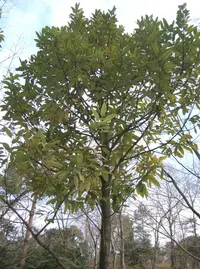
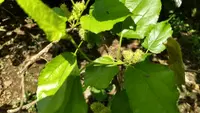
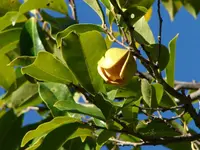
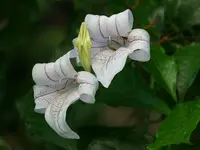
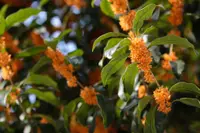
Tea olive, Osmanthus fragrans, is an evergreen shrub or small tree valued for its highly fragrant, long-lasting flowers. It is commonly grown in gardens and containers for its scent and neat, dense foliage. Native to eastern Asia, it grows with a naturally upright, bushy habit and can be shaped into hedges, screens, or small specimen trees. The small white, cream, or orange blossoms often appear in flushes through the year in mild climates. This plant is generally considered moderate in difficulty, mainly because it dislikes extreme cold, waterlogged soil, and deep shade. It prefers bright light, well-drained soil, and steady moisture, so learning how to care for Tea olive is mostly about providing stable, mild conditions.

Main Plant Requirements

Care Difficulty

Moderate Care

Light Preference

Partial Sun

Water Requirements

Moderate Water

Temperature Preference

Warm Climate

Hardiness Zone

7–10

Soil Texture

Sandy, Loamy, Organic-rich

Soil pH

Acidic (5.5–6.5), Slightly acidic (6.5–7.0)

Soil Drainage

Moist but well-drained

Fertilization

Minimal (feed rarely)

Get Personalized Care Plan

Scan your plant to receive care tips personalized for your specific plant

Available on iOS and Android

How to Care for the Tea olive

Osmanthus fragrans prefers bright exposure with protection from harsh afternoon sun.

  • Provide 4–6 hours of sun daily, ideally morning sun with light shade after midday, especially in hot summers.
  • Tolerates partial shade, but dense shade reduces flowering and makes Tea olive leggy; aim for dappled or east-facing light.
  • In very hot climates, use filtered light or light afternoon shade to prevent leaf scorch; in cooler climates, slightly more direct sun improves bloom quality.

Osmanthus fragrans prefers evenly moist, well-drained soil rather than constant wetness.

  • Water when the top 3–5 cm of soil feels dry, soaking the root zone deeply, then let excess drain away.
  • Reduce frequency in cool seasons, but in hot, dry periods increase watering as needed to prevent limp, folding leaves, a sign of thirst.
  • Ensure soil drains freely; yellowing leaves, blackened roots, or sour-smelling soil indicate overwatering and poor aeration.

This shrub prefers mild temperatures and does best without extreme heat or hard frost.

  • Optimal growth occurs around 60–80°F (16–27°C), with steady conditions supporting stronger flowering and root health.
  • Mature plants can tolerate brief drops to about 10–15°F (-12 to -9°C), but flower buds and young growth are damaged below 25°F (-4°C).
  • In hot climates above 90°F (32°C), provide mulch and some afternoon shade to protect roots and foliage from heat stress.

Osmanthus fragrans prefers moderate humidity but adapts well to typical indoor air if not extremely dry.

  • Aim for 40–60% humidity to reduce leaf edge browning and flower bud drop.
  • It tolerates short dry spells, but very dry heated rooms can cause curled, crispy leaf tips.
  • Increase humidity with a nearby tray of water and pebbles or by grouping plants, rather than misting leaves directly.

Osmanthus fragrans grows best in well-structured, slightly moist but freely draining soil.

  • Use a loamy mix with roughly 50% standard potting soil, 30% compost, and 20% perlite or coarse sand for drainage.
  • Soil should drain within a few minutes after watering while still holding some moisture, avoiding waterlogged conditions.
  • Aim for slightly acidic to neutral pH, around 6.0–7.0, as highly alkaline soils can reduce nutrient uptake.
  • Improve aeration by mixing in fine pine bark or similar coarse organic material and avoid heavy, compacted clay.

This species is well suited to container growing when the pot is chosen to support its woody root system and eventual size.

  • Choose a deep, heavy container to anchor the shrub against wind and prevent tipping as it gains height.
  • Select thick-walled terracotta or similar porous material to moderate moisture swings and prevent root-zone overheating in sun.
  • Use a container with generous drainage holes and keep it slightly raised so excess water clears quickly after each watering.

Osmanthus fragrans responds well to modest, consistent feeding in active growth.

  • Use a balanced slow‑release or granular fertilizer (around 10‑10‑10) or a thin layer of compost in spring.
  • Feed every 6–8 weeks from early spring to late summer for outdoor plants, following label rates.
  • For container Tea olive, apply a balanced liquid fertilizer at 1/2 strength every 4–6 weeks in the growing season.
  • Stop feeding in fall and winter to avoid soft, frost‑tender growth.

Pruning Osmanthus fragrans helps maintain a dense, flowering shrub or small tree.

  • Time main pruning for late spring, right after the main flush of flowering finishes.
  • Remove dead, diseased, crossing, or inward‑growing branches to improve light and air penetration.
  • Shorten overly long shoots to shape the plant and keep growth compact without heavy cutting into old wood.
  • Use clean, sharp bypass pruners or loppers and make cuts just above a healthy outward‑facing bud or side shoot.

Container and garden Osmanthus fragrans benefit from occasional transplanting when growth slows or roots crowd.

  • Check for roots circling the pot, pushing through drainage holes, or water running straight through as signs to move up 1 pot size.
  • Plan repotting or transplanting for early spring or early fall, aiming for every 3–5 years in containers.
  • Lift the plant gently, loosen circling roots, and trim damaged ones before setting in a slightly larger pot or new ground location.
  • Water thoroughly after planting, shade from intense sun for 3–7 days, and keep soil evenly moist to reduce transplant shock.

Osmanthus fragrans is most commonly propagated from semi‑ripe cuttings rather than seed.

  • Take 8–12 cm semi‑ripe cuttings in late summer, keeping 2–3 leaf pairs and removing the soft tip.
  • Dip the cut end in rooting hormone and insert into a free‑draining mix of perlite and peat or fine bark.
  • Maintain bottom warmth around 70–75°F, high humidity, and bright, indirect light until roots form in several weeks.
  • Layering low, flexible branches in spring is another reliable method; peg a wounded section under soil until well rooted.

Osmanthus fragrans is moderately cold hardy but benefits from simple winter protection in cooler climates.

  • Plants in the ground usually tolerate brief dips to about 10–15°F once established.
  • Apply a 5–8 cm mulch layer over the root zone in late fall, keeping it slightly away from the trunk.
  • In colder areas, wrap young shrubs with breathable frost cloth to limit leaf and stem damage.
  • Move container plants indoors or into a bright, frost‑free porch or garage when temperatures approach freezing.

Care Tips

Scent-focused placement

Position the plant near a frequently opened window, entry, or patio door so air movement carries the fragrance indoors without exposing the shrub to strong, drying winds.

Flowering flush refresh

After each major bloom flush, lightly tip-prune spent flowering shoots by 2–5 cm to encourage new growth that will set the next round of flower buds.

Wind-buffered sites

In windy locations, plant on the leeward side of a building, hedge, or solid fence so the evergreen foliage and flower buds are not desiccated during winter fronts.

Container root management

For long-term container plants, root-prune and repot every 2–3 years by trimming the outer 2–3 cm of the root ball and refreshing the potting mix to keep growth compact and flowering reliable.

Low-stress relocation

If a plant must be moved, perform the transplant in late winter and keep the original planting depth, then water deeply and apply a 5–8 cm mulch ring to reduce transplant shock when growing Tea olive outdoors.

Common Pests and Diseases

Tea scale

This pest feeds on the undersides of leaves, causing yellow mottling, leaf drop, and an overall thin, weak canopy. Symptoms include small, elongated white or brown shells attached firmly along the midrib and veins.

Solution

Prune out heavily infested twigs and dispose of them. For light to moderate infestations, wash the undersides of leaves with a strong spray of water, then apply a horticultural oil thoroughly to coat the scales, repeating in 7–14 days as needed and improving plant vigor with proper watering and fertilization.

False oleander scale

This pest forms dense, white, oval crusts on stems and leaves, leading to chlorosis, twig dieback, and reduced flowering. This pest often clusters along stems and can be mistaken for debris or lichen at first glance.

Solution

Scrape off localized clusters with a gloved hand or soft brush and discard prunings. For broader infestations, use a horticultural oil or insecticidal soap directed at stems and leaf surfaces, applied in mild weather, and avoid nitrogen overfertilization that encourages soft, scale-susceptible growth.

Black sooty mold

This disease develops as a dark, powdery or velvety coating on leaves and stems, growing on the honeydew excreted by sap-feeding insects. Symptoms include dull, blackened foliage and reduced photosynthesis, but the fungus stays on the surface of plant tissues.

Solution

Address the underlying insect problem (often scale or aphids) using targeted controls, then gently wash affected leaves with water to remove the mold. Improve air circulation and light penetration through careful thinning cuts so foliage dries faster and remains less hospitable to sooty mold growth.

Anthracnose leaf spot

This disease causes tan to brown irregular leaf spots that may have darker borders and can merge, leading to early leaf drop in humid, warm conditions. Symptoms include thinning foliage on inner branches and a generally sparse appearance.

Solution

Remove and discard infected leaves from the plant and ground to reduce spores. Improve airflow by selective pruning, avoid overhead watering, and, in recurrent severe cases, use a labeled copper or chlorothalonil fungicide during wet periods as part of broader Osmanthus fragrans care instructions.

Interesting Facts

Highly fragrant flowers

The tiny white, yellow, or orange flowers release a strong apricot-like fragrance that is dominated by compounds such as ionones, which are also responsible for the scent of violets.

Autumn and winter blooming

Unlike many ornamentals, this species often flowers in late summer through fall and even into winter in mild climates, providing an important nectar source when few other shrubs are in bloom.

Traditional tea aroma

In parts of China, fresh flowers are layered with tea leaves to produce osmanthus-scented teas and desserts, where the plant is valued mainly for its floral aroma rather than for visual display.

Botan icon

Did you know?

Osmanthus fragrans is one of the “Ten Famous Flowers” of traditional Chinese horticulture, with documented cultural and literary importance going back more than a thousand years, and its blossoms are closely associated with the Mid-Autumn Festival and the harvest moon.

FAQs about Tea olive

Lack of flowers usually comes from insufficient light, heavy pruning at the wrong time, or excess nitrogen fertilizer. Older wood carries most flower buds, so avoid hard pruning after midsummer and keep feeding balanced and moderate for reliable bloom.

Grow Healthy Plants with Botan Care

Keep your plants happy and healthy with plant identification, disease detection, and easy care guidance.

Botan plant care app — identify plants on mobile

Explore More Plants