

Tea olive (Osmanthus fragrans) Light Needs

Tea olive grows best in full sun to partial sun, with several hours of direct light daily.

Light Preference

Partial Sun

Osmanthus fragrans Light Requirements

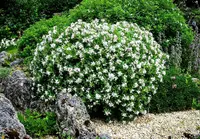
In its native range across warm-temperate to subtropical Asia, Tea olive grows as an evergreen shrub or small tree along forest edges, open slopes, and lightly wooded areas. These sites provide strong seasonal light, with sun exposure broken by taller vegetation at times. In cultivation, this background explains its tolerance for full sun and its usefulness in partial sun. Preferred light is full sun to partial sun.

  • Ideal exposure:

    Tea olive needs about 6–8 hours of bright outdoor light daily, ideally full sun to partial sun, with about 4–6 hours of direct sun.

  • Full sun tolerance:

    Established plants can handle full sun, especially where summer heat is moderate.

  • Afternoon intensity:

    In hot climates, light afternoon shade reduces leaf scorch risk while keeping enough sun for dense growth.

  • Low-light limit:

    Deep shade is not suitable because it usually reduces flowering and creates thinner, more open growth.

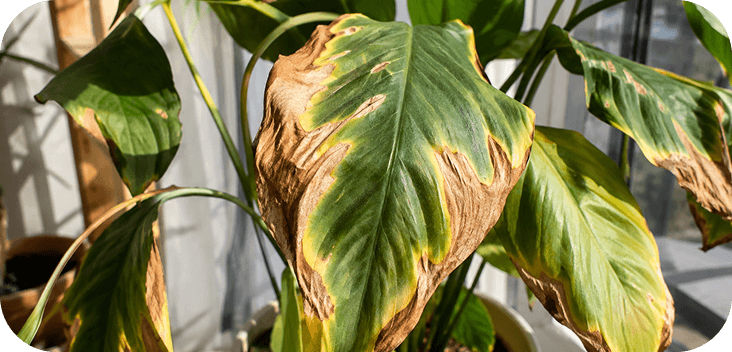
Strong sun is usually tolerated, but sudden or intense exposure can stress foliage.

Bleached patches:

Leaves may develop pale tan areas on the side facing the strongest afternoon sun.

Crisp exposed tips:

Newer leaves can dry at tips or margins after abrupt movement into harsher light.

Dull leaf color:

Glossy green foliage may look faded when heat and direct sun are both intense.

One-sided damage:

Scorch is often worse on the outer canopy or southwest-facing side of Osmanthus fragrans.

Move the plant gradually into a position with morning sun and light afternoon shade. If it is in a container, shift it a few feet back from reflected heat or hot pavement.

Low light mainly shows up as weak growth and fewer flowers. Shade is not a good long-term position for this species.

  • Fewer blooms:

    Bud formation and fragrance may be reduced when daily sun is too limited.

  • Open growth:

    Stems can stretch toward brighter areas, leaving wider gaps between leaves.

  • Small new leaves:

    New shoots may produce smaller foliage during the active growing season.

  • Leaning canopy:

    Container-grown Osmanthus fragrans may lean strongly toward the brightest side.

Move it to a brighter site over 1–2 weeks, aiming for partial sun first. Increase direct sun gradually rather than making an abrupt shift from shade, especially after a shaded winter.

If the site cannot provide full sun, choose partial sun with direct morning light and open sky for the rest of the day. Avoid placing it under dense overhead shade.

Prune or move nearby obstructions that block morning sun. Rotate container plants every few weeks so all sides receive similar exposure.

Avoid hot reflected light against pale walls or pavement if leaves show scorch; shift the container a few feet away.

Get Personalized Care Plan

Scan your plant to receive care tips personalized for your specific plant

FAQ

This plant grows best in full sun to partial sun. It needs bright outdoor exposure for strong flowering, with some afternoon protection helpful in very hot sites.

More Plant Light Guides

Get the Botan App

Discover how to care for your plants with Botan.

Botan app identifying a plant with a phone camera
Best Fertilizer for Vegetable Gardens – What to Use for Each Plant

11 min read · 20 Jul 2026

Best Fertilizer for Vegetable Gardens – What to Use for Each Plant

Here, you’ll find the right fertilizer formula for vegetables in your garden. Learn how to adjust feeding correctly throughout the growing cycle, spot nutrient deficiencies by their symptoms, and keep your plants healthy and prolific.

Plant Recommendations
Best Fertilizer for Vegetable Gardens – What to Use for Each Plant
How Long Can Flowers Go Without Water? Everything You Need to Know

6 min read · 10 Jul 2026

How Long Can Flowers Go Without Water? Everything You Need to Know

Flowers can survive without water anywhere from 1-2 hours to several months, depending on the plant type, species, and growing conditions. Some strong-looking flowers are drought-sensitive, while delicate-looking plants may tolerate long dry periods surprisingly well.

Plant Care
How Long Can Flowers Go Without Water? Everything You Need to Know
Best Bedroom Plants – Top 10 to Grow in Your Space

8 min read · 8 Jul 2026

Best Bedroom Plants – Top 10 to Grow in Your Space

Discover the top 10 houseplants that are suitable for growing in your bedroom. Compare their light and water needs, pet safety, and benefits. Find out where best to place greenery in your relaxation space and what species to avoid.

Plant Recommendations
Best Bedroom Plants – Top 10 to Grow in Your Space