




coca (Erythroxylum coca) Light Needs

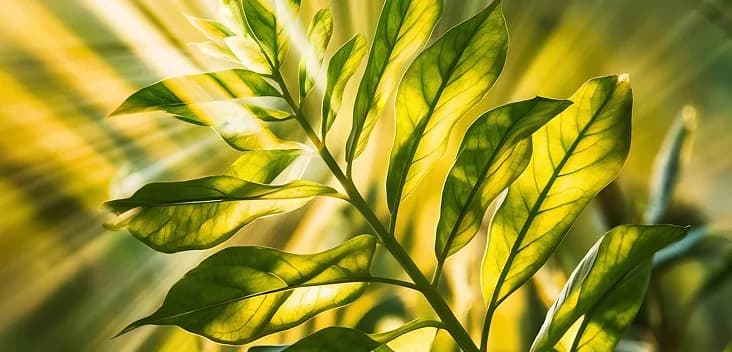
coca grows best in bright partial sun with several hours of gentle direct light and protection from harsh extremes.

Light Preference

Partial Sun

Erythroxylum coca Light Requirements

Coca comes from humid tropical Andean areas where shrubs receive strong light, warm temperatures, and frequent cloud cover. In cultivation, this points to bright exposure rather than shade, with filtered light or partial sun providing steady growth. Plants acclimated to open sites can handle more direct sun, especially when heat is not excessive. Its preferred light is bright partial sun.

  • Ideal exposure:

    Erythroxylum coca needs about 6–8 hours of bright filtered or partial sun daily, including 2–4 hours of gentle direct sun.

  • Direct sun tolerance:

    It can tolerate longer direct sun when acclimated, but sudden midday or afternoon exposure in hot weather can scorch foliage.

  • Lower light limits:

    Dim shade is unsuitable; growth often weakens when it receives only a few hours of low indoor light.

  • Best sun timing:

    Morning sun is safer than harsh late-afternoon sun, especially for container-grown or recently moved plants.

Strong sun is most risky after a sudden move or during hot afternoons.

Bleached patches:

Leaves may develop pale tan or whitish areas on the most exposed surfaces, while shaded leaves look normal.

Crisp sun spots:

Damaged patches can turn dry and papery where direct rays hit the leaf.

Dull new leaves:

Fresh growth may look lighter and less glossy after several days of excessive exposure.

Heat stress posture:

Leaves may angle down or curl slightly during peak sun, then improve as light softens.

Move it back to bright filtered light or give only gentle morning sun. Increase direct sun gradually if a sunnier position is needed.

Erythroxylum coca is not a shade plant, so weak light usually shows in the newest growth first.

  • Stretched stems:

    New stems may grow longer and thinner as the plant reaches toward the brightest side.

  • Wide leaf spacing:

    Leaves can sit farther apart on the stem instead of forming compact, leafy growth.

  • Smaller new leaves:

    New leaves may stay smaller when light is too weak to support steady growth.

  • Limited blooming:

    Flowering may be sparse or absent if the plant receives too little bright exposure.

  • Leaning habit:

    The canopy may tilt toward the light source rather than growing evenly.

Shift it to a brighter filtered location or add gentle morning sun. Make the change over several days if the new site is much brighter.

When ideal partial sun is not available, choose bright filtered light with a few hours of soft morning sun over deep shade.

Screen intense afternoon rays with shade cloth or a sheer barrier, and move container plants back 2–3 ft from heat-reflecting walls.

Rotate container specimens every 1–2 weeks if growth leans toward one side.

Get Personalized Care Plan

Scan your plant to receive care tips personalized for your specific plant

FAQ

The best light for coca is bright partial sun: strong filtered light for most of the day, with a few hours of gentle direct sun when temperatures are not extreme.

Everything About coca

More Plant Light Guides

Get the Botan App

Discover how to care for your plants with Botan.

Botan app identifying a plant with a phone camera
15 Best Scary Halloween Plants and Fungi for a Spooky Garden

8 min read · 9 Oct 2026

15 Best Scary Halloween Plants and Fungi for a Spooky Garden

Want a garden that looks eerie in October? Here are 15 Halloween plants and fungi, from carnivorous traps to bleeding mushrooms. For each species, we cover its appearance, care requirements, and potential uses in your landscape.

Plant Recommendations

15 Best Scary Halloween Plants and Fungi for a Spooky Garden
13 Best Front Yard Trees for Every Home and Yard

12 min read · 7 Aug 2026

13 Best Front Yard Trees for Every Home and Yard

A front yard tree can stay for decades. Therefore, choosing one deserves serious consideration. Here are 13 trees that have proven themselves, sorted by their purpose. You'll also find five species to avoid and basic planting information.

Plant Recommendations
13 Best Front Yard Trees for Every Home and Yard
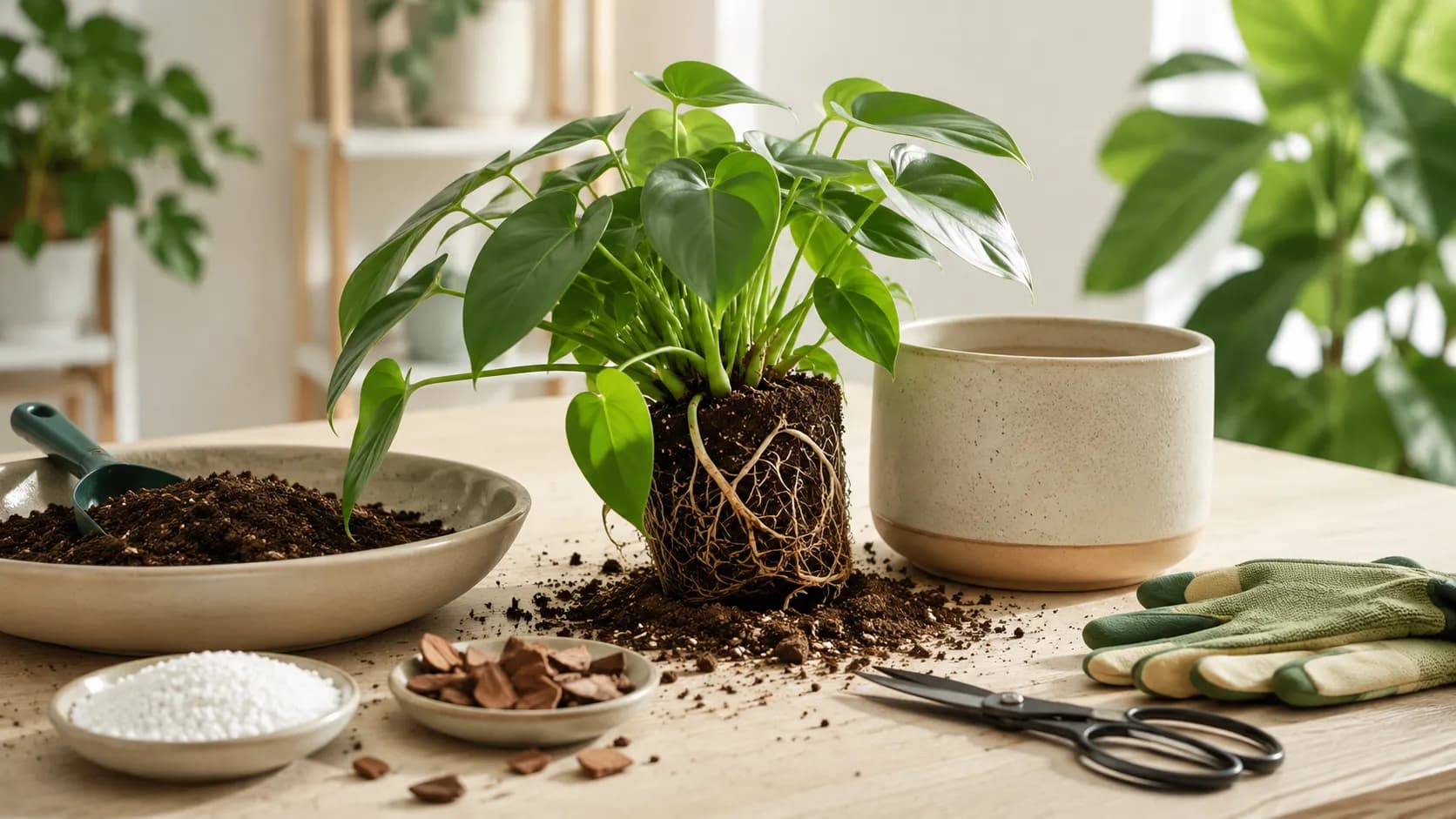
How to Repot a Plant: A Step-by-Step Guide

7 min read · 28 May 2026

How to Repot a Plant: A Step-by-Step Guide

In spring, many plants need repotting—an essential part of care. To avoid stress, consider the plant’s type and size. This article offers a step-by-step guide for repotting indoors or outdoors and shows how to check plant health and get care tips using the Botan app.

Plant Care
How to Repot a Plant: A Step-by-Step Guide