

honey mushroom (Armillaria ostoyae) Light Needs

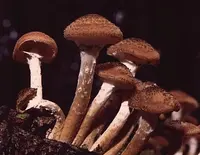
honey mushroom grows best in partial shade to shade, with filtered outdoor light and little direct sun.

Light Preference

Partial Shade

Armillaria ostoyae Light Requirements

Armillaria ostoyae develops in forests, where the hidden fungal body lives in wood and roots and the visible mushrooms appear from soil or near trunks. These sites are shaded by a canopy, with seasonal openings and filtered light rather than open sun.

Because it does not rely on photosynthesis, light mainly helps guide normal fruiting while shade protects developing mushrooms from drying. Preferred light is partial shade to shade.

  • Ideal exposure:

    Ideal exposure: Armillaria ostoyae needs about 6–10 hours of low, filtered light or shade daily, with 0 hours of direct sun preferred.

  • Direct sun risk:

    Direct sun is risky; even 1–2 hours of harsh afternoon sun can dry or bleach developing caps.

  • Deep shade:

    Deep shade is tolerated, especially where ambient daylight still reaches the fruiting area.

  • Morning brightness:

    Gentle morning brightness is safer than hot afternoon exposure, but filtered cover is still preferred.

Strong sun usually causes drying stress rather than healthy growth.

Bleached caps:

Caps may fade or look washed out after sudden exposure to direct sun, especially on open soil or exposed wood.

Dry, cracked surface:

The cap surface can dry, crack, or become leathery when light is paired with heat and moving air.

Short-lived mushrooms:

Fruiting bodies may collapse sooner in exposed sites because strong light often increases surface drying.

Scorched margins:

Edges may look browned or crisp on the sun-facing side, though this is not definite proof of light damage.

Move or shield Armillaria ostoyae with overhead shade, leaf litter, or a naturally covered location. Avoid open afternoon sun while new mushrooms are forming.

Very low light is less harmful than direct sun for this species. Complete darkness can still affect normal fruiting.

  • Elongated stems:

    Mushrooms may form longer, thinner stems as they reach toward the nearest light cue.

  • Small caps:

    Caps may stay smaller or open unevenly when fruiting occurs in very dim, enclosed spots.

  • Paler fruiting bodies:

    Color may be lighter than expected because some cap pigmentation develops better with filtered daylight.

  • Poor orientation:

    Fruiting bodies may lean strongly or form at odd angles in deep, one-sided shade.

Shift Armillaria ostoyae to a site with faint natural daylight or filtered shade. Avoid changing it into direct sun; the improvement should be gentle.

When ideal partial shade is unavailable, choose the coolest bright shade rather than direct sun. A site under overhead cover or beside shaded wood is the best compromise.

Improve exposure by removing dense debris that blocks all daylight while keeping the fruiting area protected from hot sun.

Open, south-facing ground is unsuitable because strong sun can dry developing mushrooms quickly.

Get Personalized Care Plan

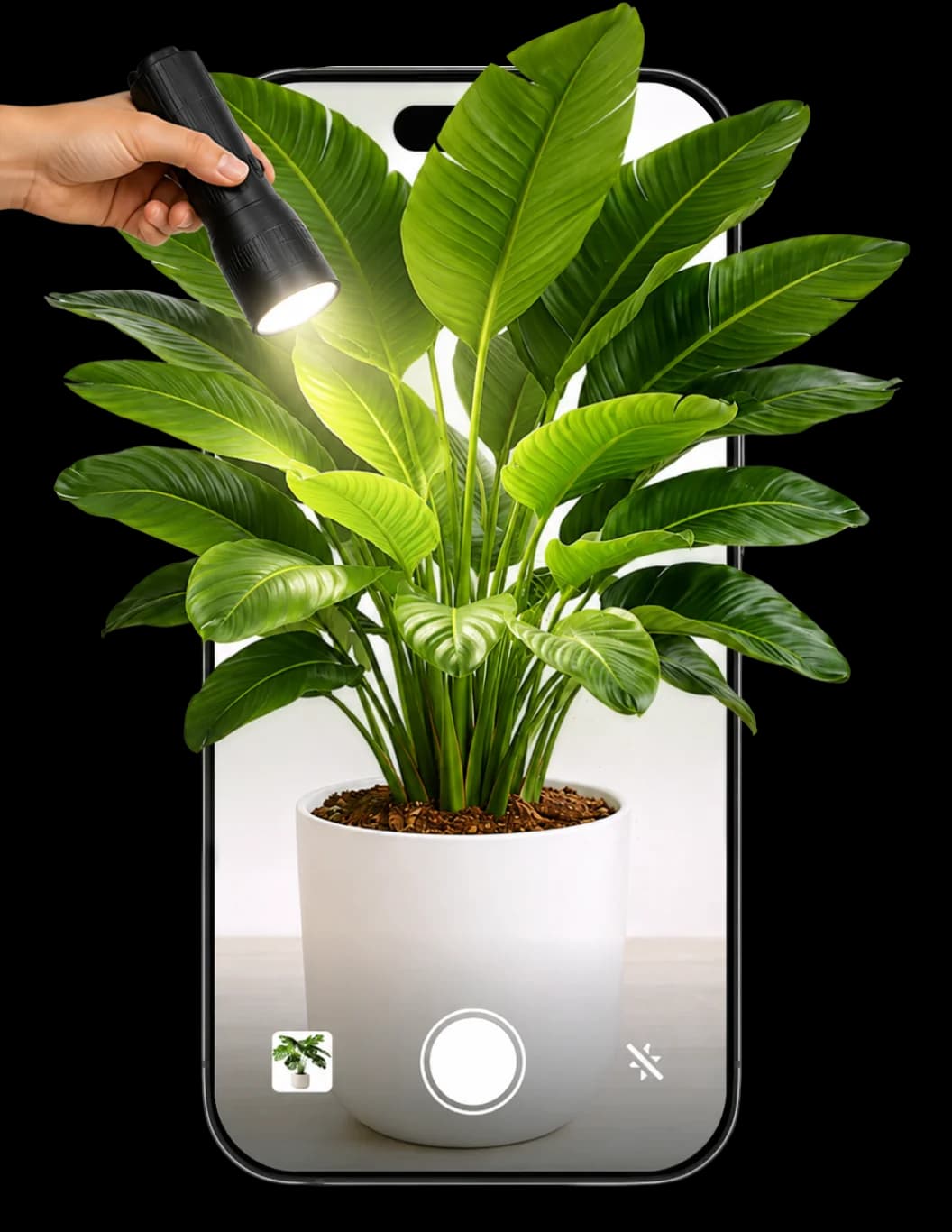
Scan your plant to receive care tips personalized for your specific plant

FAQ

The best light is partial shade to shade with filtered outdoor brightness. Honey mushroom light requirements are closer to forest-floor conditions than open sun exposure.

Everything About honey mushroom

More Plant Light Guides

Get the Botan App

Discover how to care for your plants with Botan.

Botan app identifying a plant with a phone camera
Best Fertilizer for Grass in Summer: How to Choose the Right One

6 min read · 18 Aug 2026

Best Fertilizer for Grass in Summer: How to Choose the Right One

The right fertilizer in summer can make a lawn thrive. The wrong one can damage it. Here, you’ll learn the best NPK ratios by grass type, when and how to apply your formula, and how to recognize the signs of over- or under-fertilizing.

Plant Care
Best Fertilizer for Grass in Summer: How to Choose the Right One
How to Use a Moisture Meter for Plants

5 min read · 4 Sept 2026

How to Use a Moisture Meter for Plants

Watering by feel kills plenty of houseplants. A moisture meter checks the soil for you, and takes the guesswork out of it. This guide will show you how to use it correctly, from the first touch to the final reading.

Beginner Guides
How to Use a Moisture Meter for Plants
Planting Grass Seed in Summer – What Works and What Fails

7 min read · 6 Aug 2026

Planting Grass Seed in Summer – What Works and What Fails

Summer seeding succeeds when the grass type suits the season, and the soil stays moist. Find out how to prepare the seedbed and choose a safe window for planting.

Plant Care
Planting Grass Seed in Summer – What Works and What Fails