

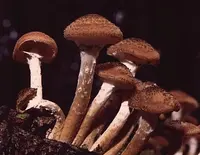
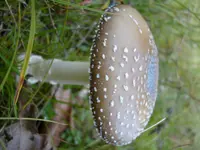
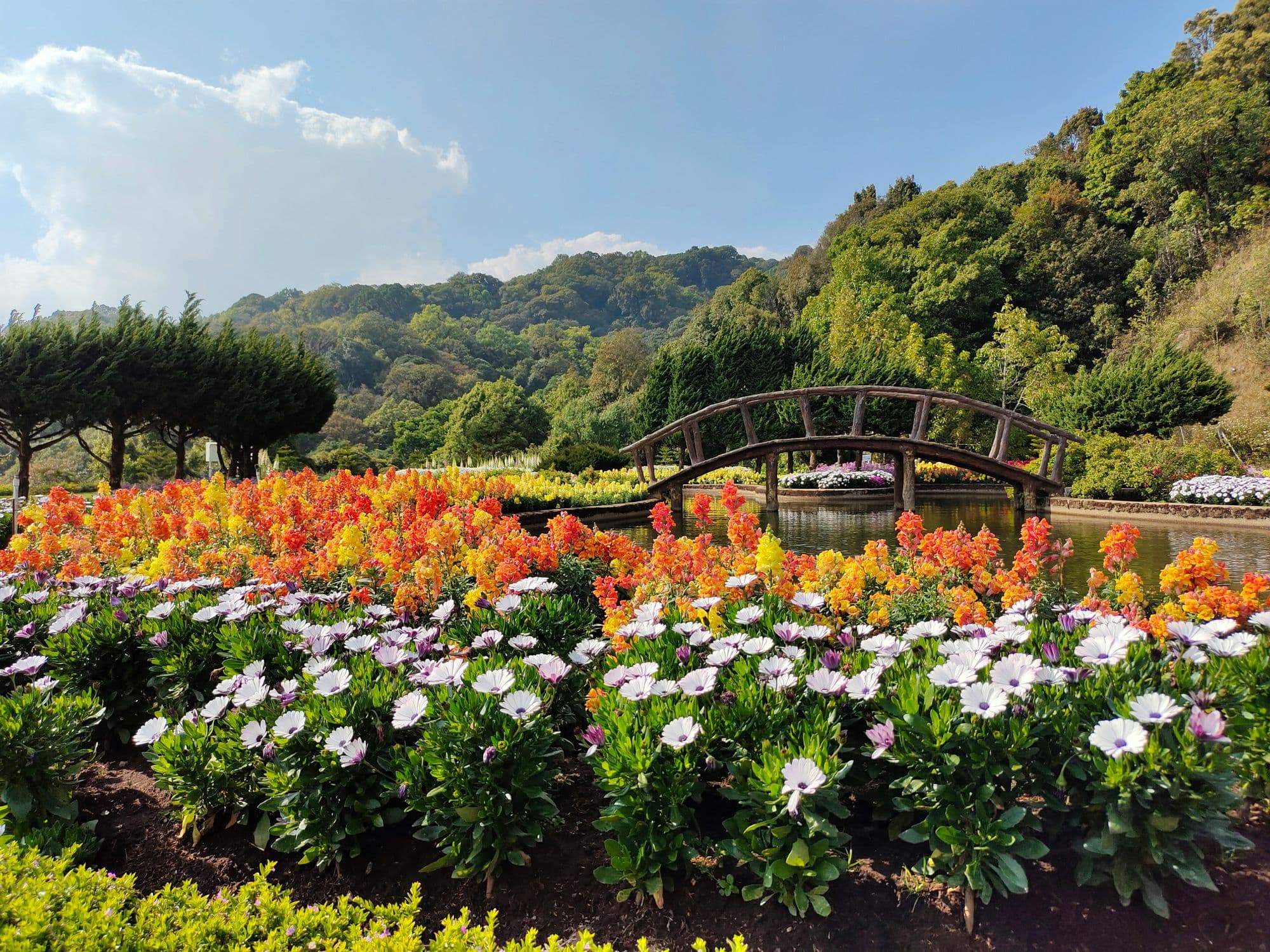
Cap (Gymnopilus subspectabilis) Light Needs

Cap grows best in partial shade with bright filtered daylight and protection from hot direct afternoon sun.

Light Preference

Partial Shade

Gymnopilus subspectabilis Light Requirements

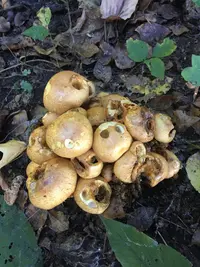
Gymnopilus subspectabilis is a wood-inhabiting fungus that fruits on decaying hardwood in forested settings. Its cap develops where overhead cover breaks strong sun into moving, filtered light and where exposed wood stays shaded for much of the day. Open, hot sun can dry fruiting bodies quickly, while deep darkness gives fewer normal fruiting cues. Cultivated material should follow that pattern. Preferred light is partial shade.

  • Ideal exposure:

    Cap needs about 4–6 hours of bright filtered light daily, with no direct sun required and 0–1 hour of gentle morning sun tolerated.

  • Direct sun:

    Brief early sun may be tolerated if the wood stays shaded and cool, but full afternoon sun is risky.

  • Lower light:

    Open shade can support fruiting, but very dark sites may reduce normal cap development and orientation.

  • Seasonal light:

    Light through thinner winter canopies is usually gentler, while summer sun needs more overhead cover.

Strong light is most stressful when it comes with heat and drying air.

Sun bleaching:

Caps may look washed out or unevenly faded after sudden exposure to direct sun.

Dry cap surface:

The cap surface may turn dull, leathery, or firm before it has fully expanded.

Cracked margins:

Edges can split or curl when bright sun dries the fruiting body too quickly.

Aborted pins:

Small developing caps may stop expanding on exposed wood while shaded areas continue more normally.

Move the fruiting material into filtered daylight or add shade during the hottest part of the day. Avoid making the change abrupt in the opposite direction; bright shade is safer than deep darkness.

Low light does not starve Gymnopilus subspectabilis, but it can affect fruiting cues. The concern is deep darkness, not ordinary shade, especially while caps are forming.

  • Sparse fruiting:

    Fruiting may be limited even when the substrate is otherwise active.

  • Long stems:

    Stems may stretch more than expected as caps form in very dim light.

  • Poor orientation:

    Developing caps may lean or orient unevenly toward the nearest brighter opening.

  • Duller caps:

    Color may look weaker when fruiting develops with little ambient daylight.

Shift the material to open shade with brighter reflected light. Keep it protected from direct afternoon sun while increasing exposure.

Choose the brightest shaded spot available when ideal partial shade is hard to provide. Place the fruiting area where overhead cover blocks harsh midday and afternoon sun.

Add a light shade cloth or move exposed material a few feet into filtered daylight if caps dry, fade, or crack.

A fully open, all-day sun site is unsuitable because fruiting bodies can overheat and dry before normal development.

Get Personalized Care Plan

Scan your plant to receive care tips personalized for your specific plant

FAQ

The best light for Cap is partial shade: bright, filtered daylight without long, hot direct sun. This matches the sheltered wood settings where the species normally fruits.

More Plant Light Guides

Get the Botan App

Discover how to care for your plants with Botan.

Botan app identifying a plant with a phone camera
10 Easy Garden Flowers to Grow

8 min read · 10 Sept 2026

10 Easy Garden Flowers to Grow

Discover 10 garden flowers that require minimal care. Learn which characteristics make plants easy to grow and follow tips on how to create a beautiful corner from beginner-friendly blooms on your property.

Beginner Guides
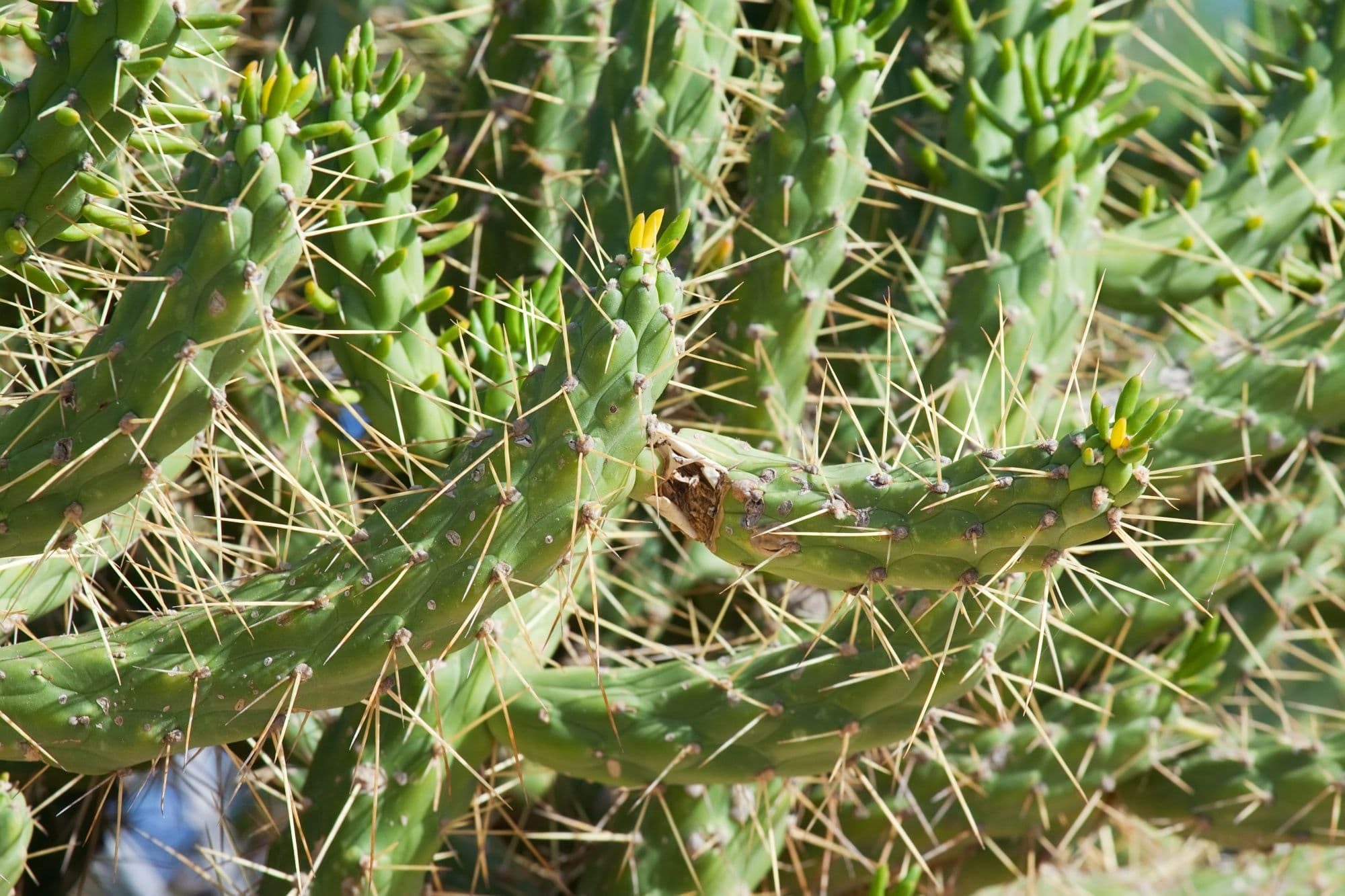
10 Easy Garden Flowers to Grow
Thorny Plants: A Comprehensive Guide

10 min read · 25 Aug 2026

Thorny Plants: A Comprehensive Guide

Many plants defend themselves with sharp thorns. This guide explores over 20 examples among flowers, shrubs, trees, and vines. You'll learn what each plant looks like, why it grows thorns, and how to quickly identify them.

Plant Recommendations
Thorny Plants: A Comprehensive Guide
Plants That Repel Bugs – 20 Effective Options

12 min read · 16 Jul 2026

Plants That Repel Bugs – 20 Effective Options

Mosquitoes on the patio? Gnats in the kitchen? Some plants keep them away with the scent of their own leaves. Here are 20 that deal with mosquitoes, flies, aphids, and more, plus where to put them so they help.

Plant Recommendations
Plants That Repel Bugs – 20 Effective Options