6 min read · 19 Aug 2026
How to Tell if a Plant Is Dead
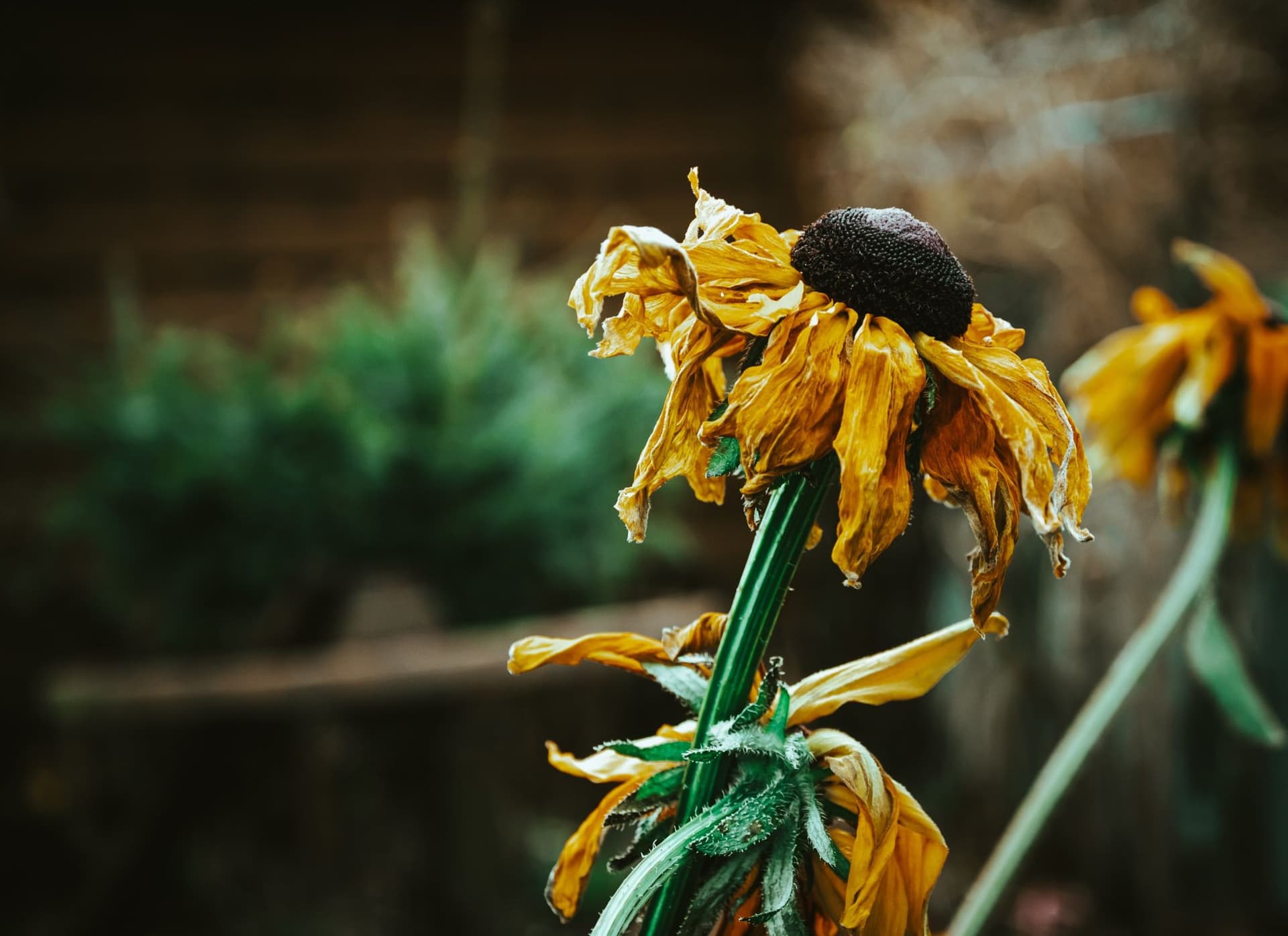
A plant can lose its leaves, stop growing, or collapse and still remain alive. A closer look at the stems, roots, bulbs, and tubers can show whether the plant still has a chance to recover.

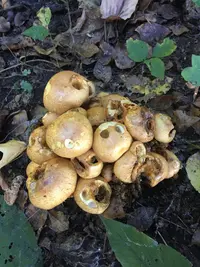
Gymnopilus subspectabilis grows best in a loose, organic-rich, well-drained mix that stays lightly moist and supports steady underground growth.

Soil Texture
Loamy, Organic-rich

Soil pH
Slightly acidic (6.5–7.0)

Soil Drainage
Moist but well-drained

In nature, Gymnopilus subspectabilis grows from decaying wood and other organic forest debris, so it is adapted to a loose, humus-rich substrate rather than dense mineral soil. That natural setting stays evenly moist but still has air spaces, which supports healthy fungal growth.
The best soil for Cap is therefore loamy, organic-rich, and moist but well-drained. A slightly acidic reaction suits the way it breaks down organic matter. Good aeration matters because its threadlike underground growth spreads through the substrate and functions best when moisture and oxygen stay in balance.

A simple custom mix helps Gymnopilus subspectabilis stay evenly moist without becoming heavy or stale around its underground growth.
The finished blend should feel soft, springy, and crumbly, with moisture spreading through it evenly and excess water moving out without pooling.
A slightly acidic to near-neutral range of about 6.5–7.0 suits Cap well. In that range, nutrients stay more available and the organic portion of the substrate breaks down in a balanced way.
Gymnopilus subspectabilis is not known for needing an unusually narrow pH window, but drifting far below or above that range can make nutrient uptake less efficient over time.
Substrate issues can affect this species gradually, so early checks are useful. With Gymnopilus subspectabilis, poor airflow in the mix is one of the main conditions to watch.
If the surface hardens or water stops moving through evenly, gently loosen the top layer and replace part of the substrate with a fresher, airier mix.
If the substrate smells sour or heavy, remove the most degraded material near the top and refresh with clean, loose medium.
If the container stays wet for long periods, confirm drainage holes are open and move the plant into a mix that drains more freely.
If a crust forms on top, scrape off the top layer and add fresh material so air and moisture can move more evenly.

Plant Soil Guide
Find the right soil mix for your plant and support healthier root growth
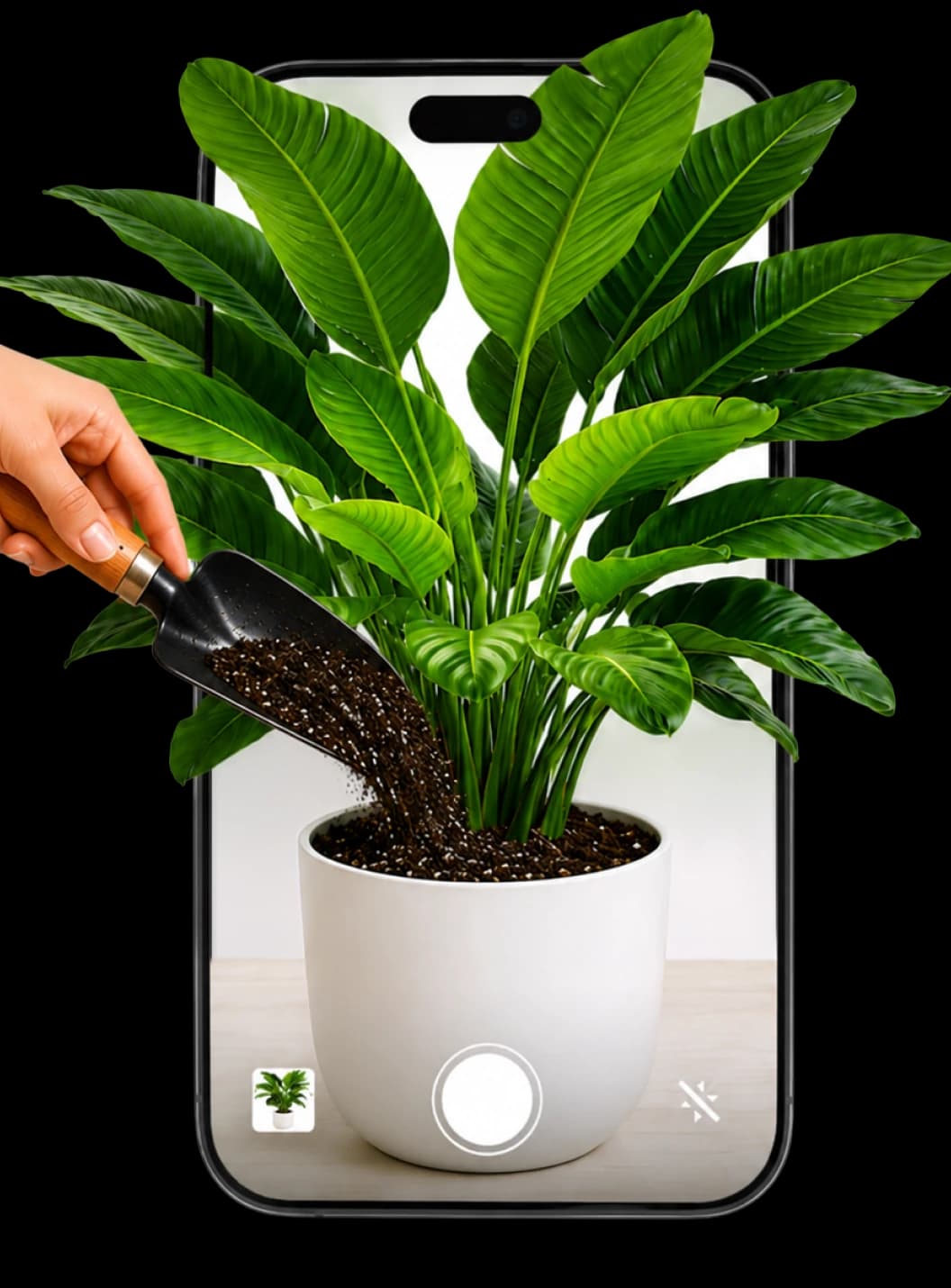
Use Botan to compare your substrate conditions with this species’ needs and make a more informed soil choice.
Yes. Drainage holes help excess water leave the container and keep the mix from staying saturated too long, which supports better air exchange in the root zone and steadier overall substrate conditions.
If growth looks off, soil may be one factor worth checking. Botan’s photo-based assessment can help you rule out common care issues.


6 min read · 19 Aug 2026
A plant can lose its leaves, stop growing, or collapse and still remain alive. A closer look at the stems, roots, bulbs, and tubers can show whether the plant still has a chance to recover.

8 min read · 31 Jul 2026
To keep plants healthy and thriving, provide the right balance of light, humidity, nutrients, airflow, and quality soil. This guide covers the essentials of year-round plant care.

7 min read · 11 Aug 2026
Irrigation needs change as roots establish and weather shifts. This guide gives practical starting intervals, explains how soil and tree type change them, and shows how to recognize both excess moisture and drought stress.