Best Soil for Purslane (Portulaca oleracea)

For strong root growth, Portulaca oleracea needs loose, fast-draining soil with a sandy or loamy texture and a near-neutral pH.

Soil Texture

Sandy, Loamy, Rocky

Soil pH

Slightly acidic (6.5–7.0), Neutral (7.0)

Soil Drainage

Well-drained

Portulaca oleracea Soil Guide

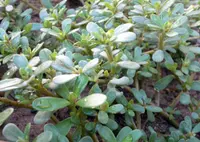
Widely native across North Africa, southern Europe, the Middle East, and parts of Asia, Portulaca oleracea is adapted to open, disturbed ground with fast drainage. It commonly appears in sandy, loamy, or rocky soils where water moves through quickly and the surface dries between soakings.

Its root system is shallow and efficient rather than deep or bulky, so the best soil for Purslane is loose and airy, not dense or water-retentive. A mineral-leaning texture suits its natural growth pattern, while a slightly acidic to neutral reaction supports steady root function without needing rich, heavy soil.


A simple homemade mix can give Portulaca oleracea the fast drainage and light structure this species prefers in containers.

100% total mix = 20 scoops
10%
small gravel2 scoops
20%
perlite or pumice4 scoops
30%
coarse sand6 scoops
40%
potting soil8 scoops

The finished blend should feel loose and gritty, not heavy or sticky, and excess moisture should move through it quickly.

A good target for Purslane is about 6.5–7.0 pH. This places the root zone in slightly acidic to neutral territory, where key nutrients stay available without creating much chemical imbalance in the mix.

This species is fairly adaptable, but keeping the soil close to neutral supports steadier nutrient uptake over time and helps avoid preventable lockout issues.

This species handles lean conditions well but often struggles when the root zone stays airless for too long. Check soil-related causes before assuming a larger care issue.

Wet, heavy mix:

If the soil stays dense and damp for days, roots may be losing oxygen, so move the plant into a looser medium and empty any trapped water.

Crusted surface:

A hard top layer can limit airflow and slow wetting, so gently break the crust and refresh the upper layer with a lighter material.

Compaction:

Purslane growing in tightly packed soil may stall because fine particles have settled, so lightly loosen the mix edge and replace badly compacted soil.

Salt buildup:

A white crust on the soil surface can point to mineral residue, so scrape off the top layer and flush the container thoroughly once.

Match Plant to Soil

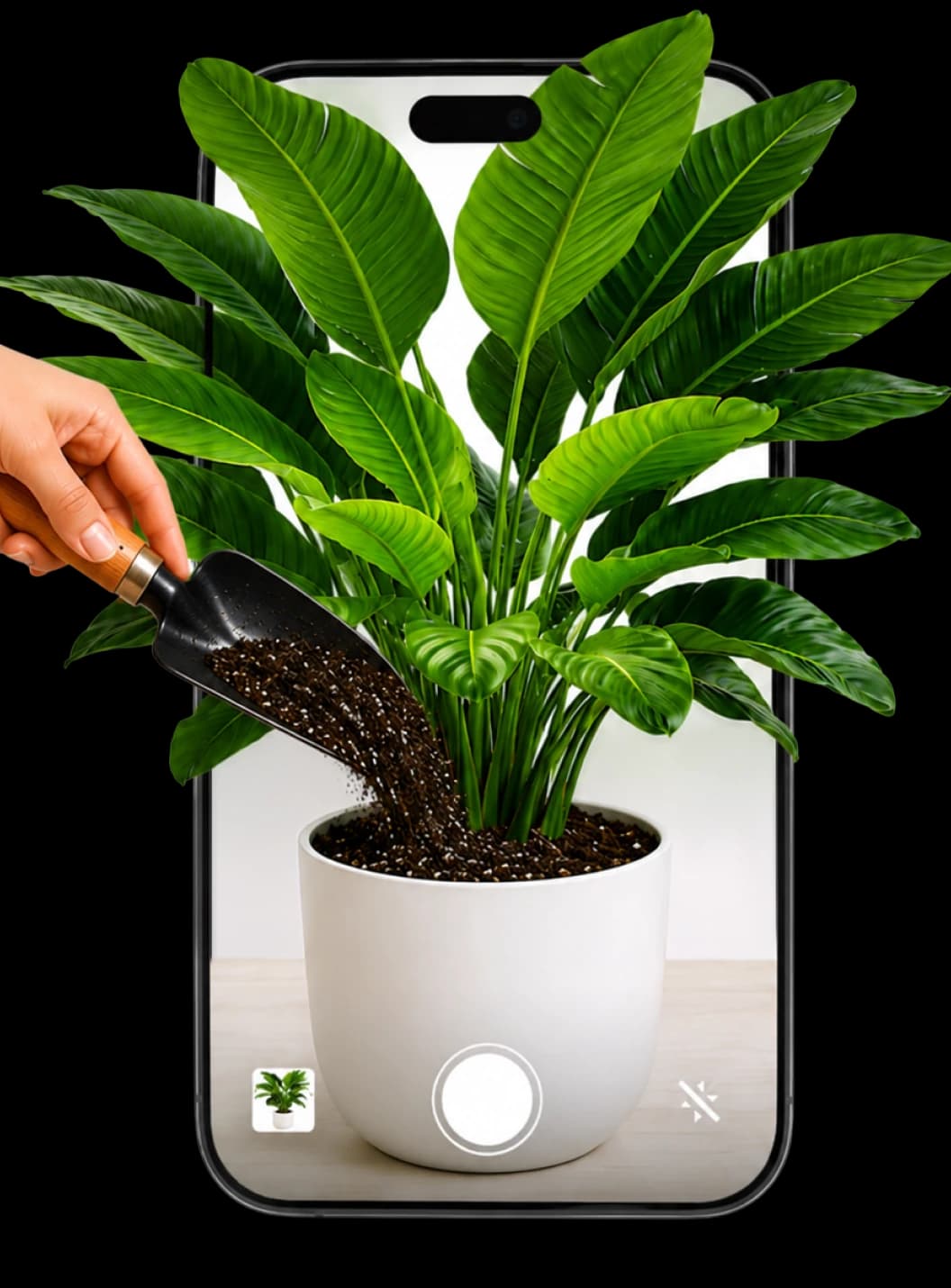
Botan helps match this plant to a more suitable soil setup based on how it grows and the conditions in the pot.

FAQ

Yes. Drainage holes help excess water leave the container and keep air in the root zone, which matters for a species that prefers a quick-draining root environment.

More Plant Soil Guides

Soil Problem? Scan It.

A photo scan can help check whether a visible issue may be linked to soil conditions. Botan’s assessment is useful for narrowing down likely causes.

Botan app helping with soil and plant care
How to Use a Moisture Meter for Plants

5 min read · 4 Sept 2026

How to Use a Moisture Meter for Plants

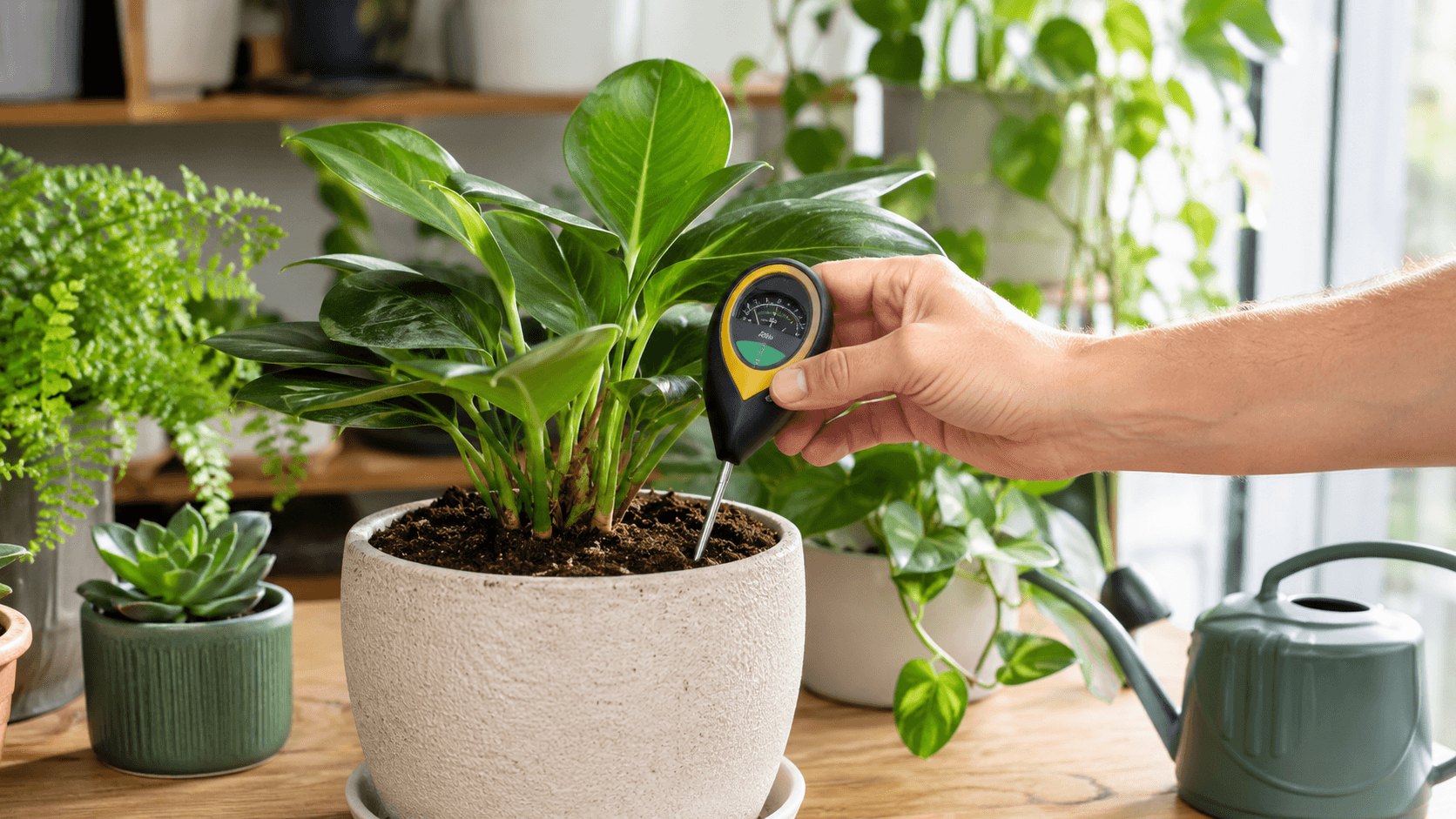
Watering by feel kills plenty of houseplants. A moisture meter checks the soil for you, and takes the guesswork out of it. This guide will show you how to use it correctly, from the first touch to the final reading.

Beginner Guides
How to Use a Moisture Meter for Plants
How Often to Water Fruit Trees

7 min read · 11 Aug 2026

How Often to Water Fruit Trees

Irrigation needs change as roots establish and weather shifts. This guide gives practical starting intervals, explains how soil and tree type change them, and shows how to recognize both excess moisture and drought stress.

Plant Care
How Often to Water Fruit Trees
10 Easy Garden Flowers to Grow

8 min read · 10 Sept 2026

10 Easy Garden Flowers to Grow

Discover 10 garden flowers that require minimal care. Learn which characteristics make plants easy to grow and follow tips on how to create a beautiful corner from beginner-friendly blooms on your property.

Beginner Guides
10 Easy Garden Flowers to Grow