


Best Soil for grape vine (Vitis vinifera)

Vitis vinifera grows best in loose, well-drained soil that supports steady root development and balanced nutrient uptake.

Soil Texture

Sandy, Loamy, Rocky

Soil pH

Slightly acidic (6.5–7.0), Slightly alkaline (7.0–7.5)

Soil Drainage

Well-drained

Vitis vinifera Soil Guide

Native to the Mediterranean region and western Asia, Vitis vinifera evolved in places with dry summers, open sun, and soils that drain quickly. That background explains why grape vine soil should feel open and airy rather than dense or waterholding.

Its root system spreads widely and can grow deeply when soil allows, so the best soil for grape vine is loose, well-drained, and moderately lean. Sandy, loamy, or rocky ground suits it because air moves through the root zone easily while excess moisture drains away without staying around the roots.

A homemade mix can give Vitis vinifera the balance of airflow, drainage, and moderate moisture holding that container growing needs.

100% total mix = 20 scoops
15%
composted bark3 scoops
20%
pumice or perlite4 scoops
25%
coarse sand5 scoops
40%
loam-based potting soil8 scoops

The finished blend should feel crumbly and gritty, hold its shape only lightly when squeezed, and let extra water pass through without staying dense.

A slightly acidic to slightly alkaline range of about 6.5–7.5 works well for grape vine. This keeps key nutrients reasonably available without pushing the root zone too far acidic or strongly alkaline.

Vitis vinifera is fairly adaptable within that range, but extreme pH can reduce access to nutrients even when they are present in the soil.

This species is often less tolerant of long periods in airless, wet root zones than many owners expect. A few soil-related issues are worth checking early.

Compaction:

Compaction: Soil that dries into a hard mass can limit root spread and air movement, so loosen the surface gently and switch to a more open mix if needed.

Poor drainage:

Poor drainage: Water lingering in the container or planting area may point to a slow-draining root zone, so first check drainage holes and remove any saucer water promptly.

Salt buildup:

Salt buildup: A crust on the soil surface or pot rim can come from minerals in water or inputs over time, so flush the mix thoroughly once and monitor whether residue returns.

Crowded rooting area:

Crowded rooting area: When grape vine declines despite otherwise reasonable care, roots may be filling the space too tightly, so inspect the root zone before assuming another cause.

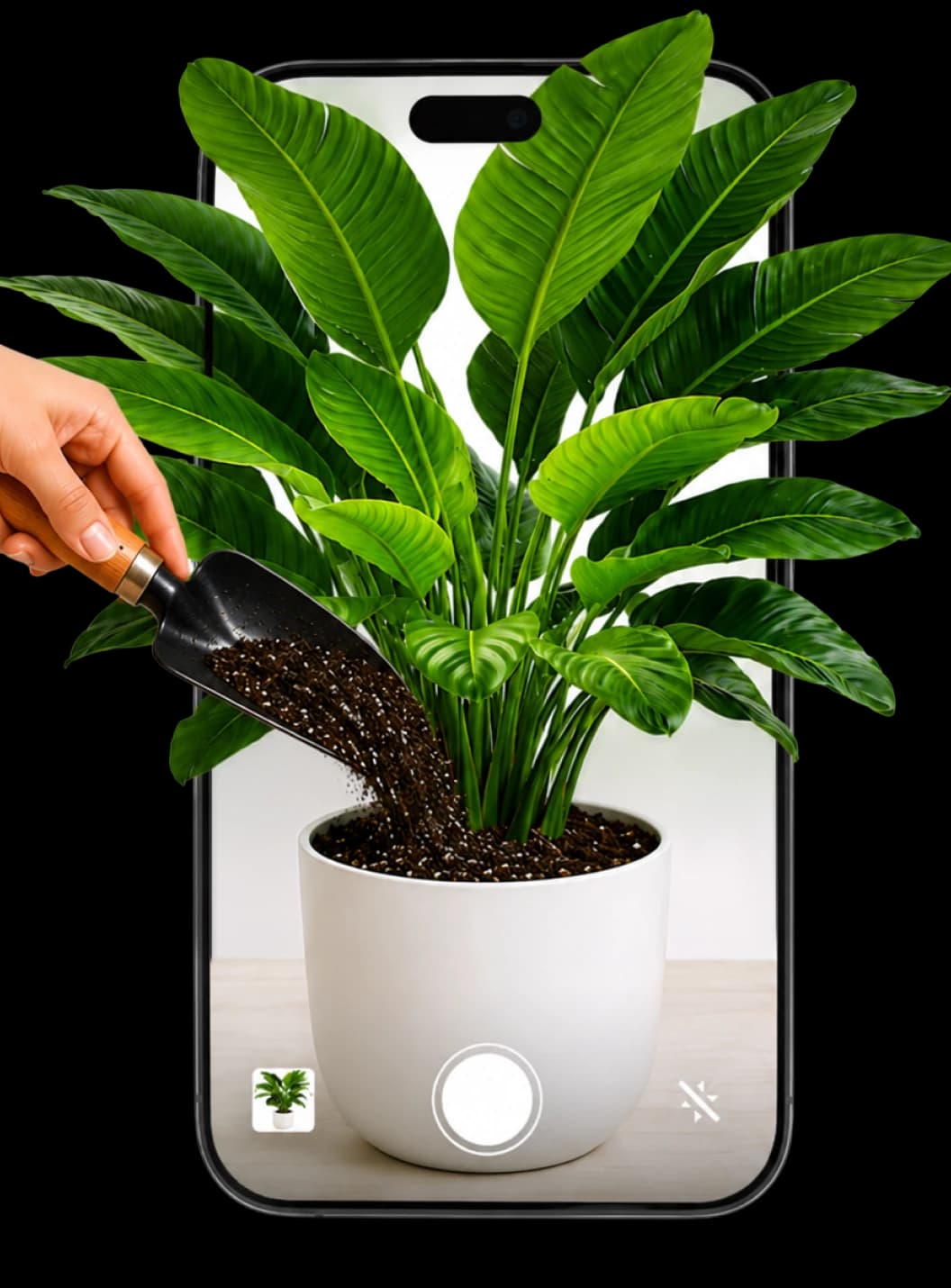
Scan for Soil Tips

Botan can help match this plant to a more suitable soil setup by reviewing visible growth habits and care conditions.

FAQ

Yes. A deeper pot helps support a larger root run, steadier moisture, and better anchoring. Shallow containers dry fast and can limit root development, especially once growth becomes more vigorous.

Everything About grape vine

More Plant Soil Guides

Wrong Soil? Check It.

If growth looks off, Botan’s photo-based assessment can help you check whether soil may be one factor worth reviewing.

Botan app helping with soil and plant care
How to Group Plants in Landscaping: A Practical Layout Guide

8 min read · 31 Aug 2026

How to Group Plants in Landscaping: A Practical Layout Guide

Good plant grouping can mean the difference between a well-planned garden and one that looks sloppy. This guide explores layers, spacing, cluster shapes, and the plants that thrive when you group them.

Plant Care
How to Group Plants in Landscaping: A Practical Layout Guide
Planting Grass Seed in Summer – What Works and What Fails

7 min read · 6 Aug 2026

Planting Grass Seed in Summer – What Works and What Fails

Summer seeding succeeds when the grass type suits the season, and the soil stays moist. Find out how to prepare the seedbed and choose a safe window for planting.

Plant Care
Planting Grass Seed in Summer – What Works and What Fails
How to Use a Moisture Meter for Plants

5 min read · 4 Sept 2026

How to Use a Moisture Meter for Plants

Watering by feel kills plenty of houseplants. A moisture meter checks the soil for you, and takes the guesswork out of it. This guide will show you how to use it correctly, from the first touch to the final reading.

Beginner Guides
How to Use a Moisture Meter for Plants