Deep yet selective roots
Cultivated wine grapes develop relatively deep root systems that explore soil for moisture but tend to avoid persistently waterlogged layers, which can reduce oxygen to the roots and impair vine health and fruit quality.

This page explains when, how often, and how much to water Vitis vinifera for steady, controlled growth.

Water Requirements
Moderate Water
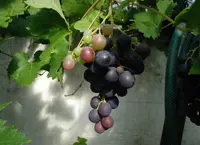
Native to seasonally dry Mediterranean climates, Vitis vinifera is adapted to soils that dry slightly between waterings. In most gardens, watering grape vine means supporting steady growth without keeping roots in constant dampness.
Think of the basic approach as moderate, consistent moisture with brief drying periods in well-aerated soil. In-ground vines usually tolerate more drying than container plants, which rely on closer attention to how to water grape vine effectively.
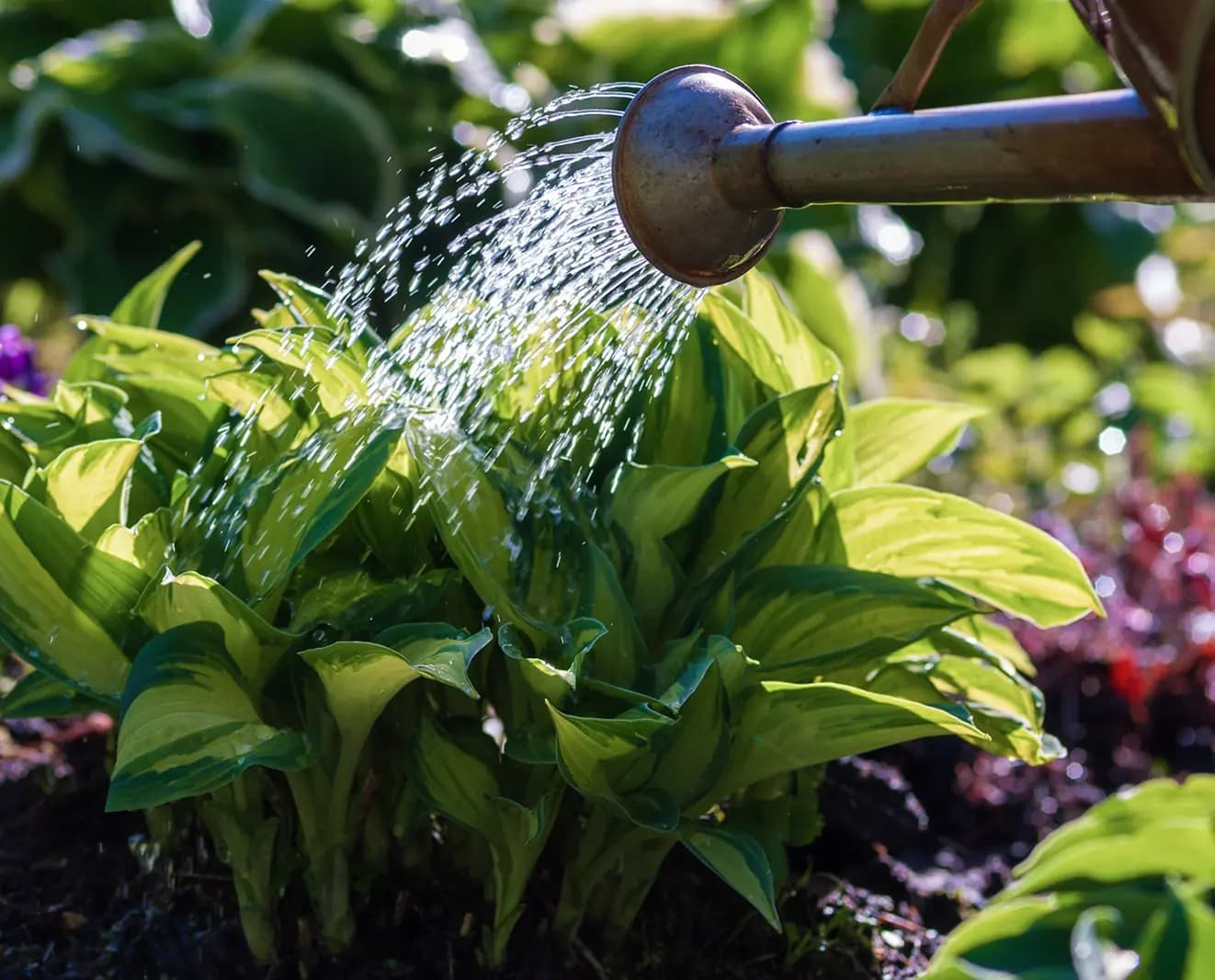
Water when the top 1–2 inches (3–5 cm) of soil feel dry, which for Vitis vinifera in warm growing weather is typically every 5–10 days outdoors, less often in cool or rainy periods. In containers or during hot, windy spells, expect the interval to shorten as soil dries more quickly.
Water grape vine when the top 2 inches (5 cm) of soil feel dry; give deep, slow moisture to encourage strong roots.
Incorrect soil moisture often disrupts normal growth patterns in Vitis vinifera grown in containers or gardens.
Older leaves turn pale, then yellow, usually from prolonged wet soil reducing root oxygen levels.
Shoots droop while soil feels moist, indicating root damage from chronic waterlogging or poor drainage.
Developing fruit dries or fails to plump when irregular watering follows extended dry soil conditions.
Berry skins split after sudden heavy watering or rain following a period of drought stress.
New canes remain short and thin when roots alternate between saturation and dryness too quickly.
Maintain deep, infrequent watering that keeps soil evenly moist, never saturated, and encourages strong root development.
Unsuitable watering habits stress Vitis vinifera, reducing vigor, fruit quality, and long‑term health in both containers and garden plantings.
For grape vines, aim for deep, infrequent watering in freely draining soil, guided by actual soil dryness rather than fixed routines.

Plant Water Guide
Learn how much water your plant needs and keep its routine on track
Use Botan for a simple watering guide and care reminders tailored to your grape vine, plus gentle photo-based checks that can highlight early leaf, stem, or soil issues.

Cultivated wine grapes develop relatively deep root systems that explore soil for moisture but tend to avoid persistently waterlogged layers, which can reduce oxygen to the roots and impair vine health and fruit quality.
Moderate water deficit during parts of the growing season can concentrate flavors and reduce excessive vegetative growth in wine grapes, so irrigation in vineyards is often managed to avoid both severe drought and constant high moisture.
In this species, higher soil moisture around flowering and early berry development can increase berry size and yield, while drier conditions later in the season help limit dilution of sugars and acids in the fruit.
Frequency depends on age, soil, and weather. In active growth, water when the top 2–3 inches of soil feel dry. In hot, dry periods, this may mean every few days; in cooler weather, less often.
Use Botan to review your watering pattern and support healthier moisture habits.
8 min read · 31 Aug 2026
Good plant grouping can mean the difference between a well-planned garden and one that looks sloppy. This guide explores layers, spacing, cluster shapes, and the plants that thrive when you group them.
10 min read · 25 Aug 2026
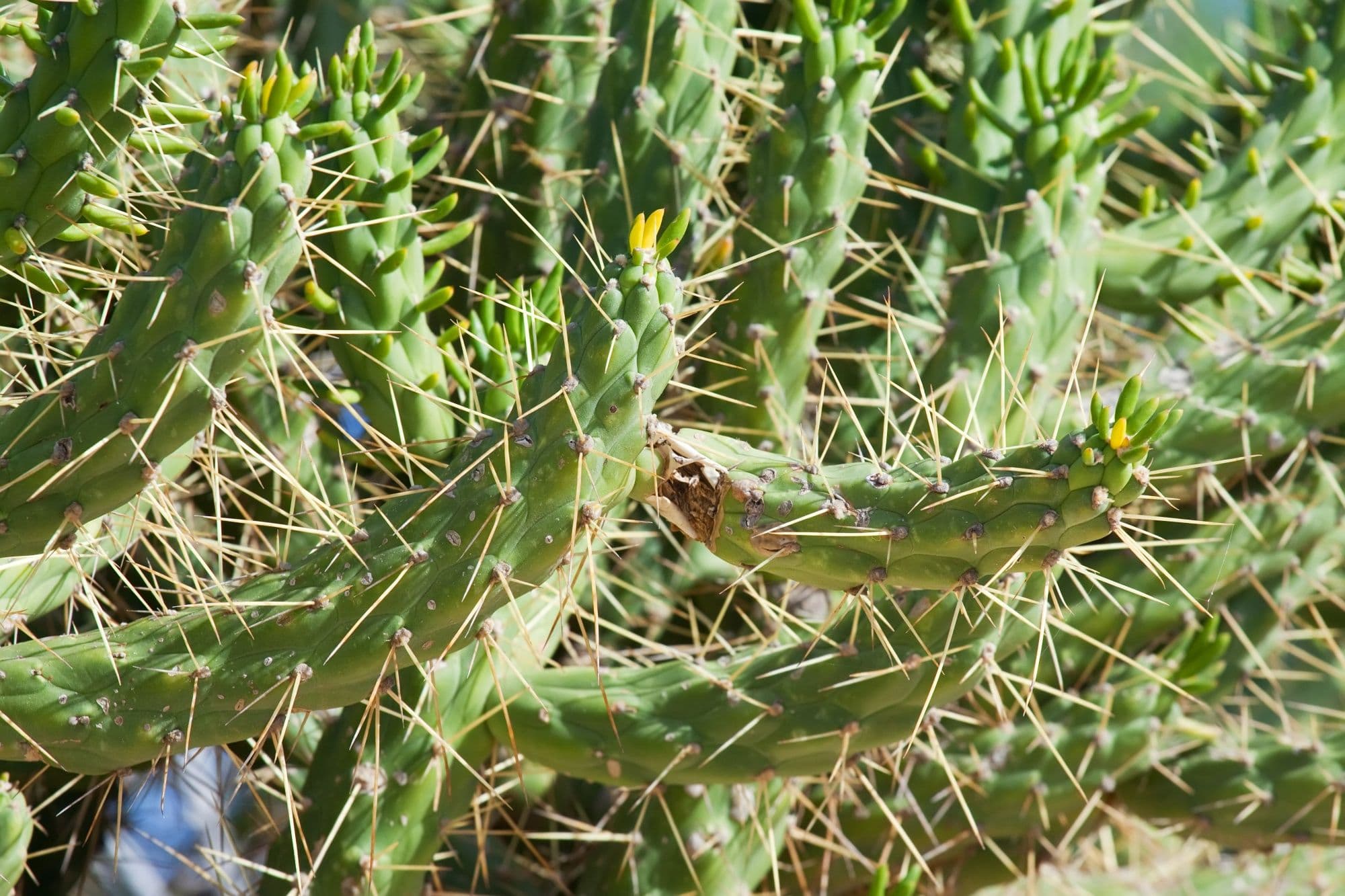
Many plants defend themselves with sharp thorns. This guide explores over 20 examples among flowers, shrubs, trees, and vines. You'll learn what each plant looks like, why it grows thorns, and how to quickly identify them.
.jpg&w=2880&q=75)
8 min read · 10 Sept 2026
Discover 10 garden flowers that require minimal care. Learn which characteristics make plants easy to grow and follow tips on how to create a beautiful corner from beginner-friendly blooms on your property.