
Lemon balm (Melissa officinalis) Watering Guide

This page explains when, how often, and how much to water Melissa officinalis in straightforward, practical terms.

Water Requirements

Moderate Water

Melissa officinalis Watering

Native to temperate Europe with moderate rainfall, Lemon balm grows where soil is moist yet not waterlogged. Melissa officinalis prefers slight, steady moisture that never becomes soggy, reflecting these balanced conditions.

In garden beds, watering Lemon balm focuses on maintaining evenly damp soil between normal rains, while indoor or container plants dry slightly faster. These basics guide how to water Lemon balm before adjusting details for climate, light, and potting setup.

Let the top 1–2 inches (3–5 cm) of soil dry before watering again, keeping Melissa officinalis slightly moist but not soggy. Indoors this typically means watering about every 4–7 days, while outdoor plants in hot, full sun may need water more often during peak summer heat.

Water Lemon balm when the top 1-2 inches (3-5 cm) of soil feel dry, using slow, even soaking.

  • Pour water directly onto the soil around the base, keeping the crown and leaves as dry as reasonably possible.
  • Apply water slowly until moisture reaches the full root zone and a small amount begins to drain from the pot.
  • Let excess water drain freely from the container, then empty saucers or cachepots so roots do not sit in standing water.
  • For outdoor beds, use a gentle watering can or hose setting to avoid displacing soil from the shallow roots.

Incorrect moisture levels can trigger several problems for Melissa officinalis growth and vigor.

Yellowing Lower Leaves:

Older leaves turn pale yellow from persistently wet soil and reduced root oxygen availability.

Wilting In Damp Soil:

Stems droop while soil feels wet due to early root decay from chronic overwatering.

Scorched Leaf Edges:

Brown, crispy margins appear after soil dries too deeply between waterings during hot, sunny periods.

Sparse, Woody Growth:

Stems become leggy and woody when irrigation stays light, shallow, and inconsistent over many weeks.

Maintain evenly moist, well-drained soil with consistent, moderate watering rather than extremes of wetness or drought.

Poor watering habits can quickly stress Melissa officinalis, limiting leaf growth, shortening plant life, and encouraging problems in soil and foliage.

  • Watering by schedule: Watering on a fixed calendar, not when the top soil dries, can keep roots soggy or too dry; check moisture first.
  • Heavy, compacted soil: Using dense soil that stays wet restricts air to roots; choose a loose mix with perlite or coarse sand added.
  • Letting saucers fill: Leaving runoff standing in the saucer keeps the root zone saturated; empty saucers soon after watering so soil can drain.

Healthier lemon balm watering focuses on well‑draining soil, responsive moisture checks, and thorough but brief hydration, not constant dampness.

  • Spring: New growth accelerates, so water when the top inch of soil dries, but allow brief light drying between waterings to avoid weak, lush growth.
  • Summer: In hot, dry weather, check soil more often and water deeply when the top 1–2 inches dry, especially for plants in containers.
  • Fall: As temperatures cool and growth slows, extend the time between waterings and let soil dry a bit deeper before adding more water.
  • Winter: Outdoors, established clumps usually rely on rainfall; indoor or potted plants need infrequent, light watering only when the mix is dry several inches down.

Your Lemon balm Care Companion

Use Botan for a clear watering guide and simple care steps for Melissa officinalis, plus gentle photo-based checks that can highlight early signs of stress or other plant issues.

Botan plant care app — identify plants on mobile

Interesting Watering Facts

Mediterranean moisture rhythm

In its native eastern Mediterranean range, Melissa officinalis experiences wet, mild winters and drier summers, which shapes its preference for evenly moist but not waterlogged soil and a brief drier period once established.


Shallow yet fibrous roots

Melissa officinalis develops a dense, fibrous root system near the soil surface, allowing efficient capture of light rains and irrigation, but making it sensitive to rapid drying in shallow pots or very sandy mixes.

Regrowth after summer stress

In hot, dry summers, Melissa officinalis may partially die back above ground to reduce water loss, then resprout from the crown and roots when cooler, moister conditions return in late summer or autumn.

FAQ

In heat, check soil more often and water when the top 1–2 inches feel dry. Deeply soak the root zone, not the leaves, and consider mulching to slow moisture loss and stabilize soil temperature.

More Plant Watering Guides

Is Watering the Reason Your Plant Struggles?

Use Botan to review watering patterns and adjust timing with better confidence.

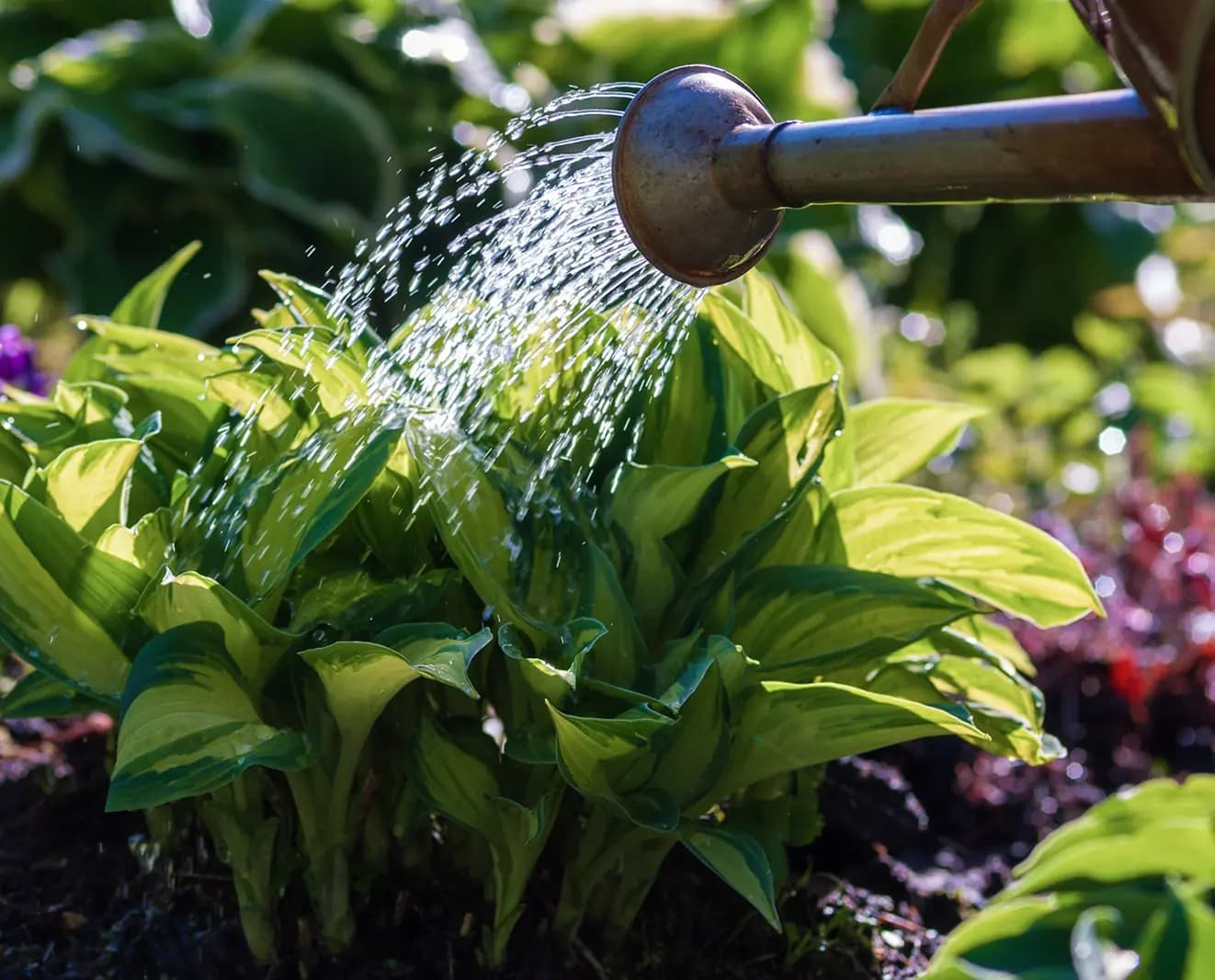
Watering a plant with a copper watering can
20 Most Popular Fruits Around the World

7 min read · 22 Jul 2026

20 Most Popular Fruits Around the World

Curious which fruits the world actually eats the most? Here's the top-20 by production volume, an overview of what people choose in each region, and a few figures that defy common assumptions.

Plant Recommendations
20 Most Popular Fruits Around the World
Top 5 Best Indoor Plants for Air Quality

5 min read · 11 Sept 2026

Top 5 Best Indoor Plants for Air Quality

Indoor plants can make a room feel fresher thanks to their air-purifying qualities. Here are 5 of the most suitable choices for your routine and living space.

Plant Recommendations
Top 5 Best Indoor Plants for Air Quality
How to Use a Moisture Meter for Plants

5 min read · 4 Sept 2026

How to Use a Moisture Meter for Plants

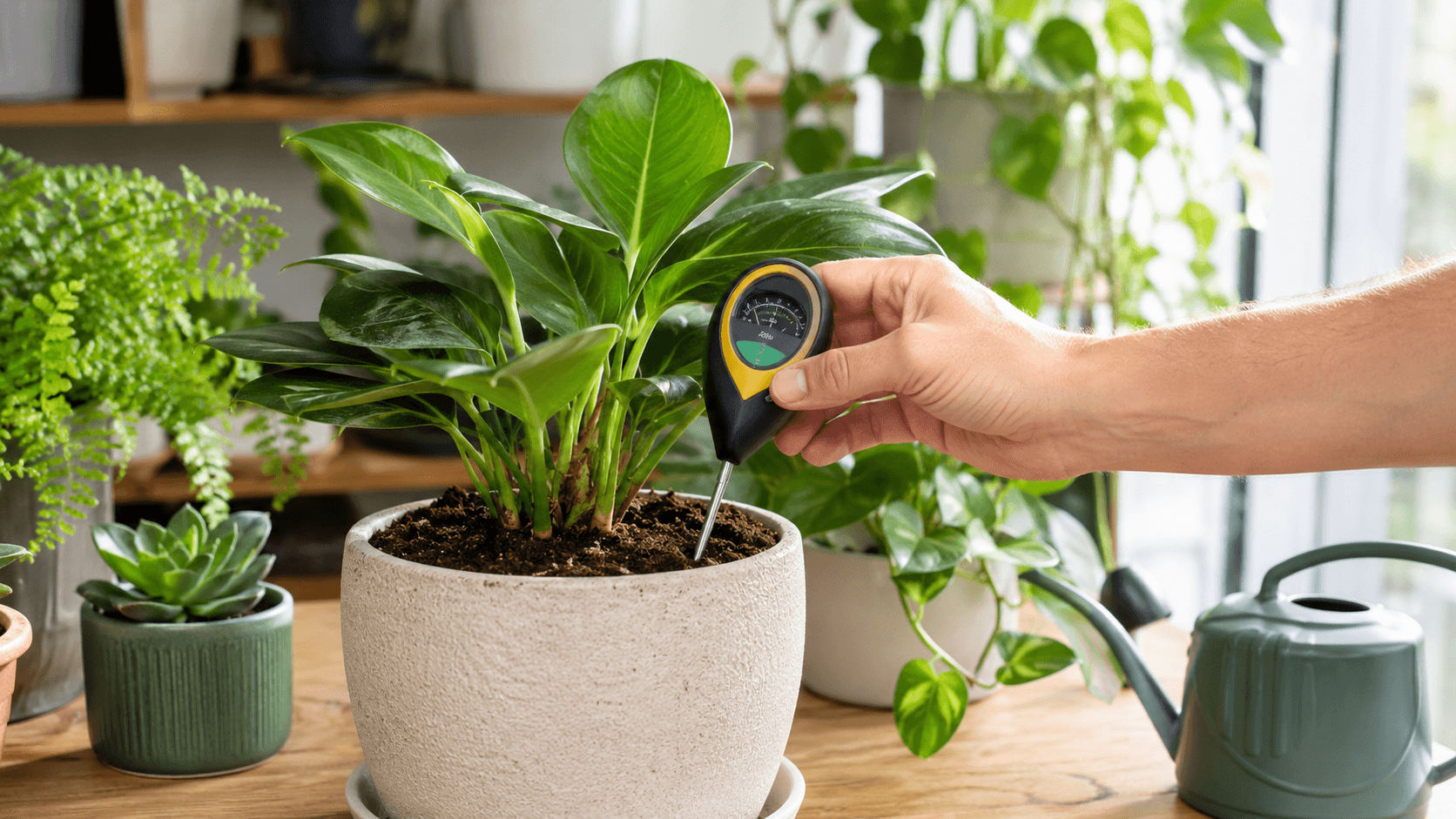
Watering by feel kills plenty of houseplants. A moisture meter checks the soil for you, and takes the guesswork out of it. This guide will show you how to use it correctly, from the first touch to the final reading.

Beginner Guides
How to Use a Moisture Meter for Plants