Prefers cool moisture
In cultivation, Salvia patens performs best with evenly moist but not soggy soil during its cool active season, reflecting its origin in higher-elevation Mexican habitats with moderate rainfall and cooler temperatures.


This page explains when, how often, and how much to water Salvia patens for steady, reliable care.

Water Requirements
Moderate Water

Native to seasonally dry habitats, Salvia patens prefers soil that dries slightly between waterings rather than staying consistently wet. This overview gives the core principles of watering sage before moving into climate, soil, and site specifics.
For Salvia patens grown in beds, moisture usually lasts longer than in containers, which dry more quickly. Understanding how to water sage begins with observing how fast the soil dries in each setting.
Let the top 1–2 inches (3–5 cm) of soil dry before watering Salvia patens again. In average indoor or mild outdoor conditions, this usually means watering about every 5–7 days during active growth. Hot, sunny weather or small pots can shorten this interval, while cooler seasons extend it.
Water sage when the top 1-2 inches (3-5 cm) of soil feel completely dry, using slow, deep, targeted watering.
Incorrect moisture levels can trigger health problems for Salvia patens in containers or beds.
Soft, drooping leaves in warm conditions usually indicate drought stress and require deeper, less frequent watering.
Older leaves turning yellow often result from persistently soggy soil restricting oxygen around roots.
Blackened, mushy roots and rapid collapse develop when dense soil or saucers trap excess water.
Sparse blooms and short spikes commonly follow irregular watering that alternates between severe dryness and saturation.
Baked, shrinking soil pulling from pot edges signals chronic underwatering and poor moisture penetration.
Keep soil lightly moist with thorough, spaced waterings, avoiding both prolonged dryness and extended saturation.
Poor watering habits weaken Salvia patens by stressing its shallow roots and making the plant more vulnerable to heat and disease.
Aim for evenly moist, fast-draining soil, adjusting watering to current conditions so this sage dries slightly between thorough waterings.
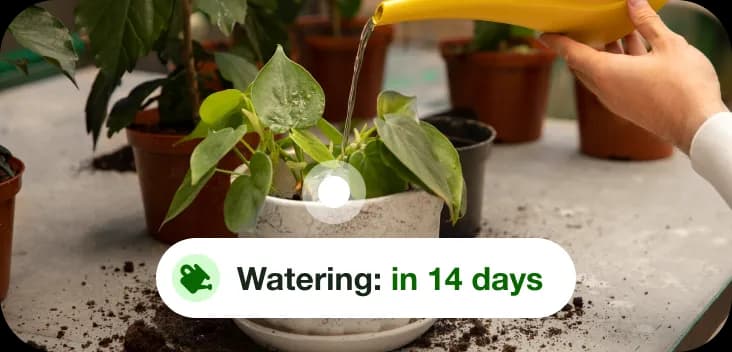
Watering Advice
Learn when to water your plant and avoid common watering mistakes.
Use Botan for a simple watering guide and care procedures for Salvia patens, plus gentle photo-based checkups that can flag potential leaf, stem, or soil issues early.
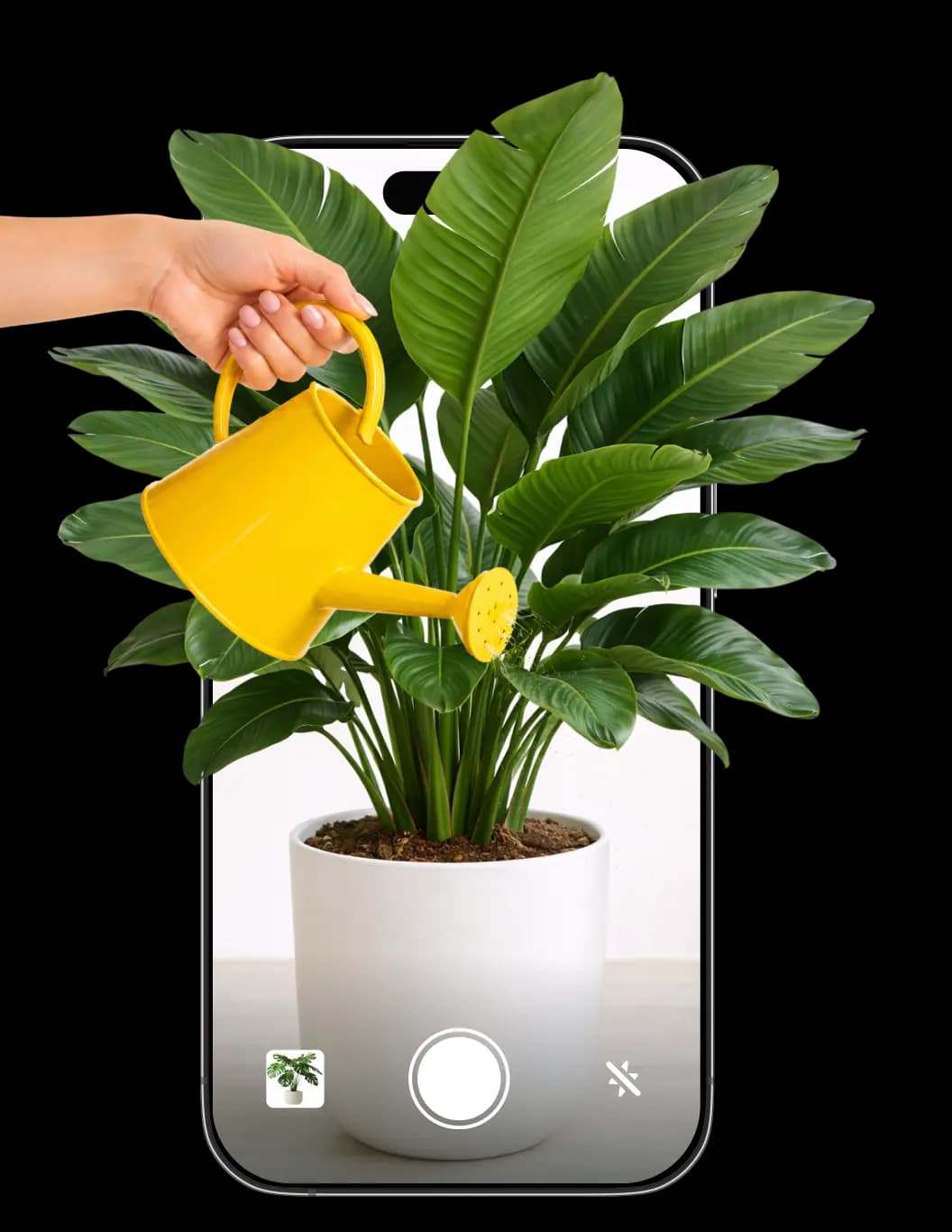
In cultivation, Salvia patens performs best with evenly moist but not soggy soil during its cool active season, reflecting its origin in higher-elevation Mexican habitats with moderate rainfall and cooler temperatures.
Unlike many salvias, Salvia patens often collapses or stops flowering in hot, dry conditions, so consistent watering and some soil moisture are important in warm-summer climates to maintain growth and blooms.
Early morning is best. Soil can absorb moisture before heat and wind increase evaporation, and foliage dries faster, which lowers disease risk. Evening watering is acceptable only if leaves dry before nightfall.
Botan reviews your plant’s watering pattern to suggest more suitable moisture levels.
4 min read · 20 Oct 2026
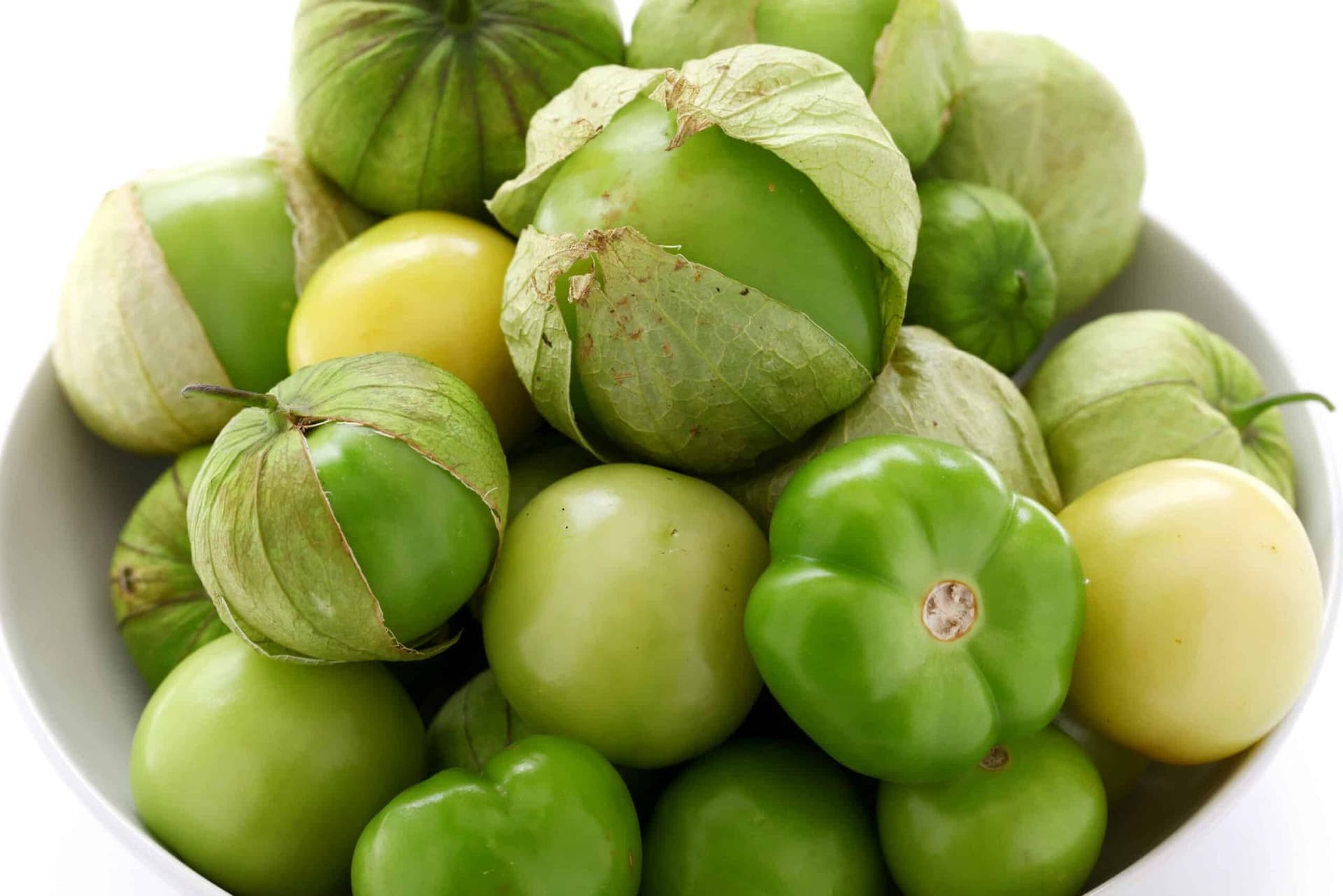
Tomatillos grow inside papery husks, making it hard to judge ripeness at a glance. This guide explains how to know when tomatillos are ripe and offers practical advice on harvesting and storage.
9 min read · 17 Jul 2026
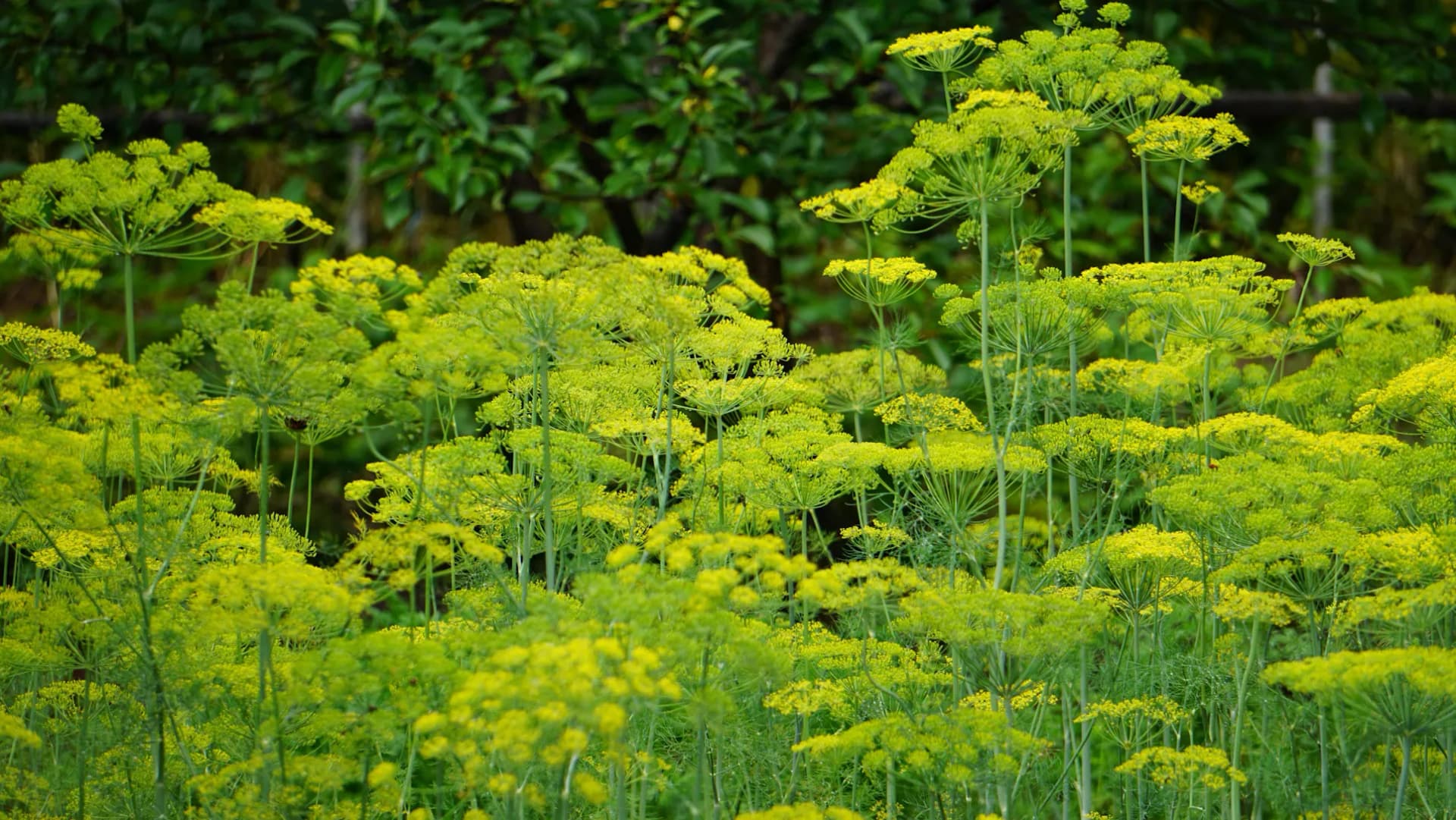
Dill is an easy-to-grow plant that gets along well with many vegetables. This guide describes 15 plants that can be planted alongside it, a few to avoid, and mistakes that can quietly sabotage the entire process.
6 min read · 10 Jul 2026
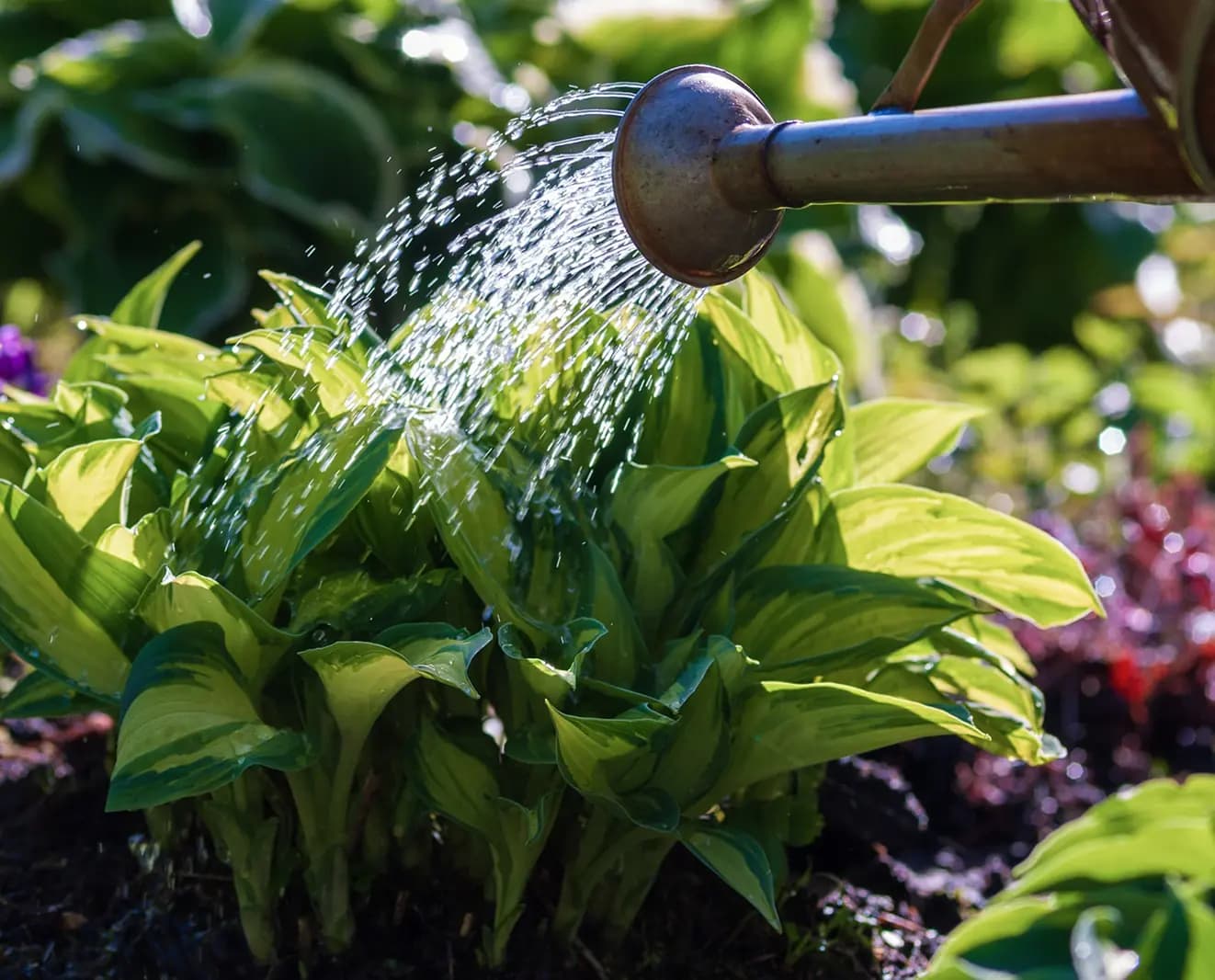
Flowers can survive without water anywhere from 1-2 hours to several months, depending on the plant type, species, and growing conditions. Some strong-looking flowers are drought-sensitive, while delicate-looking plants may tolerate long dry periods surprisingly well.