


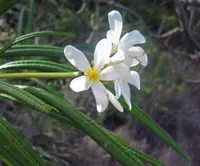

Best Soil for sage (Salvia patens)

For strong root growth, Salvia patens needs a loose, well-drained soil with some organic content and a slightly acidic to neutral reaction.

Soil Texture

Sandy, Loamy, Organic-rich

Soil pH

Slightly acidic (6.5–7.0), Neutral (7.0)

Soil Drainage

Well-drained

Salvia patens Soil Guide

Native to Mexico, Salvia patens grows best in soil that drains well but does not turn dry and barren too quickly. Its preference for sandy, loamy, organic-rich ground reflects a habitat where roots get air easily while still finding steady moisture between waterings.

Loose texture matters because this species benefits from oxygen around the root zone, not dense, compacted soil. The best soil for sage is lightly moisture-retentive, friable, and neutral to slightly acidic, which supports healthy root activity without staying soggy.

A homemade mix gives better control over texture and drainage for Salvia patens, especially in containers. Keep it open, crumbly, and moisture-balanced.

100% total mix = 20 scoops
15%
perlite or pumice3 scoops
20%
coarse sand4 scoops
25%
compost or leaf mold5 scoops
40%
high-quality potting soil8 scoops

The finished blend should feel light and slightly springy, with water moving through readily instead of lingering around the root zone.

A good target is 6.5–7.0 pH. This places the soil in the slightly acidic to neutral range, which supports steady nutrient availability without making key minerals harder for roots to absorb.

Sage is not especially demanding about a very narrow pH window, but staying near neutral helps maintain balanced uptake of nutrients over time.

Most soil issues with this species start below the surface and develop gradually. Checking texture, drainage, and surface condition early can help prevent larger setbacks.

Compacted soil:

Dense soil can limit air around the roots and slow growth; gently loosen the top layer and consider replacing part of the mix with a lighter medium.

Soggy root zone:

If the soil stays wet for long periods or smells stale, drainage may be too slow; pause watering briefly and check that excess water can exit freely.

Dry, water-shedding mix:

If water runs down the sides and the root area stays unevenly moist, the mix may have dried too far; re-moisten it gradually and evenly.

Surface buildup:

A crust or pale residue on Salvia patens soil can point to mineral accumulation; scrape off the top layer and refresh it with clean mix.

Scan for Soil Tips

Botan helps identify the plant and guides you toward a soil setup that better matches its root and drainage needs.

FAQ

Yes. A pot with moderate depth gives roots room to grow downward and helps the soil stay evenly structured, while still draining well enough to avoid a heavy, stagnant lower layer.

More Plant Soil Guides

Soil Problem? Scan It.

Use Botan’s photo-based assessment to check whether soil could be one factor behind a visible issue and what to review next.

Botan app helping with soil and plant care
Plant Pot Sizes: How to Choose the Right Plant Container

7 min read · 20 Aug 2026

Plant Pot Sizes: How to Choose the Right Plant Container

Plant pot sizes can be confusing because the number on the label only tells you part of the required information. A container may look spacious but actually be too shallow. So, how to choose pot size for plant species?

Beginner Guides
Plant Pot Sizes: How to Choose the Right Plant Container
How to Increase Humidity for Plants – 8 Simple Ways That Work

8 min read · 14 Aug 2026

How to Increase Humidity for Plants – 8 Simple Ways That Work

Dry indoor air stresses a lot of houseplants. You usually notice it first in the browning leaf tips. This guide describes 8 simple ways to raise the moisture around your plants, from humidifiers to pebble trays.

Plant Care
How to Increase Humidity for Plants – 8 Simple Ways That Work
Dill Companion Plants – What to Grow Next to Dill

9 min read · 17 Jul 2026

Dill Companion Plants – What to Grow Next to Dill

Dill is an easy-to-grow plant that gets along well with many vegetables. This guide describes 15 plants that can be planted alongside it, a few to avoid, and mistakes that can quietly sabotage the entire process.

Plant Recommendations
Dill Companion Plants – What to Grow Next to Dill