



Best Soil for coriander (Coriandrum sativum)

For Coriandrum sativum, a loose, moisture-retentive but well-drained soil supports steady root growth and helps maintain overall plant health.

Soil Texture

Sandy, Loamy, Organic-rich

Soil pH

Acidic (5.5–6.5), Slightly acidic (6.5–7.0)

Soil Drainage

Moist but well-drained

Coriandrum sativum Soil Guide

Likely native to parts of southern Europe, North Africa, and western Asia, Coriandrum sativum grows best in soil that stays lightly moist but drains freely. In cultivation, that points to a loose, airy root zone that does not stay packed or soggy after watering.

A sandy or loamy texture with some organic richness suits its fine, fairly delicate roots. This balance holds enough moisture for steady growth while still allowing oxygen around the roots, which is a key part of the best soil for coriander. Slightly acidic to near-neutral conditions are a good fit.

A simple homemade mix can give Coriandrum sativum the balance of airflow and moisture retention it needs for steady root development.

100% total mix = 20 scoops
15%
perlite or pumice3 scoops
20%
coarse sand4 scoops
25%
compost or screened worm castings5 scoops
40%
high-quality potting soil8 scoops

The finished blend should feel light and slightly springy, hold together briefly when squeezed, and let excess moisture move through without staying heavy.

A slightly acidic to near-neutral range of about 5.5–7.0 suits coriander well. Within that window, key nutrients stay more available, which supports steady leaf growth and healthy root function.

Coriandrum sativum is fairly adaptable inside this range, but strongly alkaline or very acidic conditions can make nutrient uptake less efficient even when the soil otherwise looks suitable.

This species grows quickly and can react fast when root conditions are off. Soil may be part of the issue, especially in containers or compact garden spots.

Dense soil:

Dense soil: Slow growth and a surface that stays slick or hard can point to poor air flow, so gently loosen the top layer and switch to a more open mix next time.

Waterlogged root zone:

Waterlogged root zone: Wilting in wet soil or a sour smell suggests excess moisture around roots, so pause watering briefly and check that drainage is working freely.

Dry, shrinking mix:

Dry, shrinking mix: If the soil pulls from the pot edge and dries unevenly, re-moisten it gradually and stir the surface lightly to improve water absorption.

Crusting surface:

Crusting surface: A hard top layer can slow water entry and seedling emergence, so break it up carefully and add a light organic top-dressing if needed.

Soil Help, Fast

Botan helps match the plant to a more suitable soil setup, so it is easier to choose a mix that supports steadier root health.

FAQ

Yes. This species develops a taproot, so a deeper pot supports better root growth and more even moisture. Shallow containers can dry fast and restrict downward development.

Everything About coriander

More Plant Soil Guides

Check What the Soil Is Doing

If a plant looks off, Botan’s photo-based assessment can help show whether soil conditions may be part of the picture.

Botan app helping with soil and plant care
12 Best Plants That Repel Spiders For Your Home and Garden

8 min read · 24 Jul 2026

12 Best Plants That Repel Spiders For Your Home and Garden

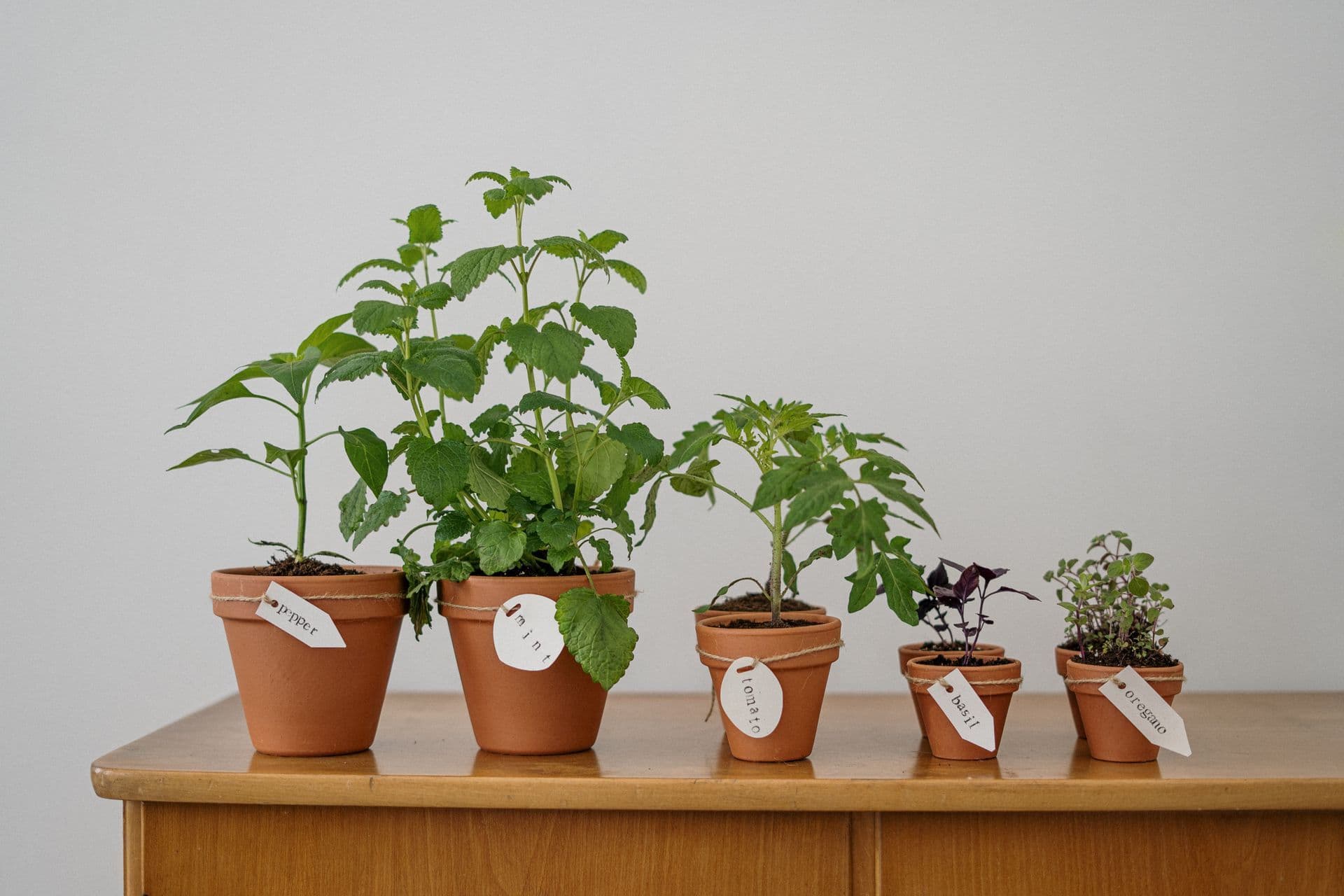
Spiders constantly appear in places you don't want them. A few common plants can help repel them using scent alone. Here are 12 options suitable for both indoors and outdoors, plus care tips for each.

Plant Recommendations
12 Best Plants That Repel Spiders For Your Home and Garden
Plant Pot Sizes: How to Choose the Right Plant Container

7 min read · 20 Aug 2026

Plant Pot Sizes: How to Choose the Right Plant Container

Plant pot sizes can be confusing because the number on the label only tells you part of the required information. A container may look spacious but actually be too shallow. So, how to choose pot size for plant species?

Beginner Guides
Plant Pot Sizes: How to Choose the Right Plant Container
Best Fertilizer for Vegetable Gardens – What to Use for Each Plant

11 min read · 20 Jul 2026

Best Fertilizer for Vegetable Gardens – What to Use for Each Plant

Here, you’ll find the right fertilizer formula for vegetables in your garden. Learn how to adjust feeding correctly throughout the growing cycle, spot nutrient deficiencies by their symptoms, and keep your plants healthy and prolific.

Plant Recommendations
Best Fertilizer for Vegetable Gardens – What to Use for Each Plant