




Best Soil for Raspberry (Rubus idaeus)

For strong root growth, Rubus idaeus needs loose, moisture-retentive soil that drains well and stays slightly acidic to near neutral.

Soil Texture

Loamy, Sandy, Organic-rich

Soil pH

Acidic (5.5–6.5), Slightly acidic (6.5–7.0)

Soil Drainage

Moist but well-drained

Rubus idaeus Soil Guide

Native to Europe and northern Asia, Rubus idaeus grows in open woods, clearings, and cool temperate sites where soil stays evenly moist but does not remain waterlogged. That background explains its preference for loose, organic-rich ground with steady moisture and good airflow around the roots.

The best soil for Raspberry is loamy or sandy-loam with enough organic matter to hold moisture without becoming dense. Its shallow, spreading root system benefits from soil that drains well yet stays consistently damp, since roots need both water and oxygen for steady growth.

A homemade mix can give better texture control than a basic bagged product. For Rubus idaeus, aim for a blend that stays evenly moist without becoming dense.

100% total mix = 20 scoops
10%
perlite or pumice2 scoops
20%
coarse sand4 scoops
30%
compost6 scoops
40%
high-quality garden soil or raised bed soil8 scoops

The finished mix should feel crumbly and rich, hold some moisture after watering, and let excess water move through without pooling.

A good target for Raspberry is about 5.5–6.5 pH. This species prefers acidic to slightly acidic soil, where key nutrients such as iron, manganese, and phosphorus are generally easier for roots to access.

It can handle conditions near neutral, but growth is usually best when the root zone stays mildly acidic. If pH drifts too far up or down, nutrient uptake becomes less efficient even when nutrients are present in the soil.

Most soil-related setbacks come from root-zone conditions staying out of balance for too long. Raspberry can be sensitive to poorly aerated, wet ground around its shallow roots.

Compacted soil:

Compacted soil: slow drainage, hard surfaces, or stunted new growth suggest limited air around roots, so gently loosen the top layer and add organic matter to improve structure.

Waterlogged soil:

Waterlogged soil: persistently soggy conditions can stress roots and increase rot risk, so improve drainage first and stop using heavy, dense media.

Dry, uneven root zone:

Dry, uneven root zone: if the surface dries into crusty patches while lower layers stay inconsistent, refresh the upper soil with moisture-holding organic material.

Nutrient lockout from off-range pH:

Nutrient lockout from off-range pH: weak growth despite otherwise decent care may point to pH issues, so test the soil before adding amendments.

Scan for Soil Tips

Botan can help identify the plant and guide a more suitable soil setup based on how this species typically grows.

FAQ

Yes. Drainage holes are important because this species grows best in evenly moist soil that still releases excess water. Without them, the root zone stays saturated longer and oxygen drops quickly.

More Plant Soil Guides

Scan for Soil Problems

Use Botan’s photo-based assessment to check whether a visible issue may be linked to soil conditions and what to review next.

Botan app helping with soil and plant care
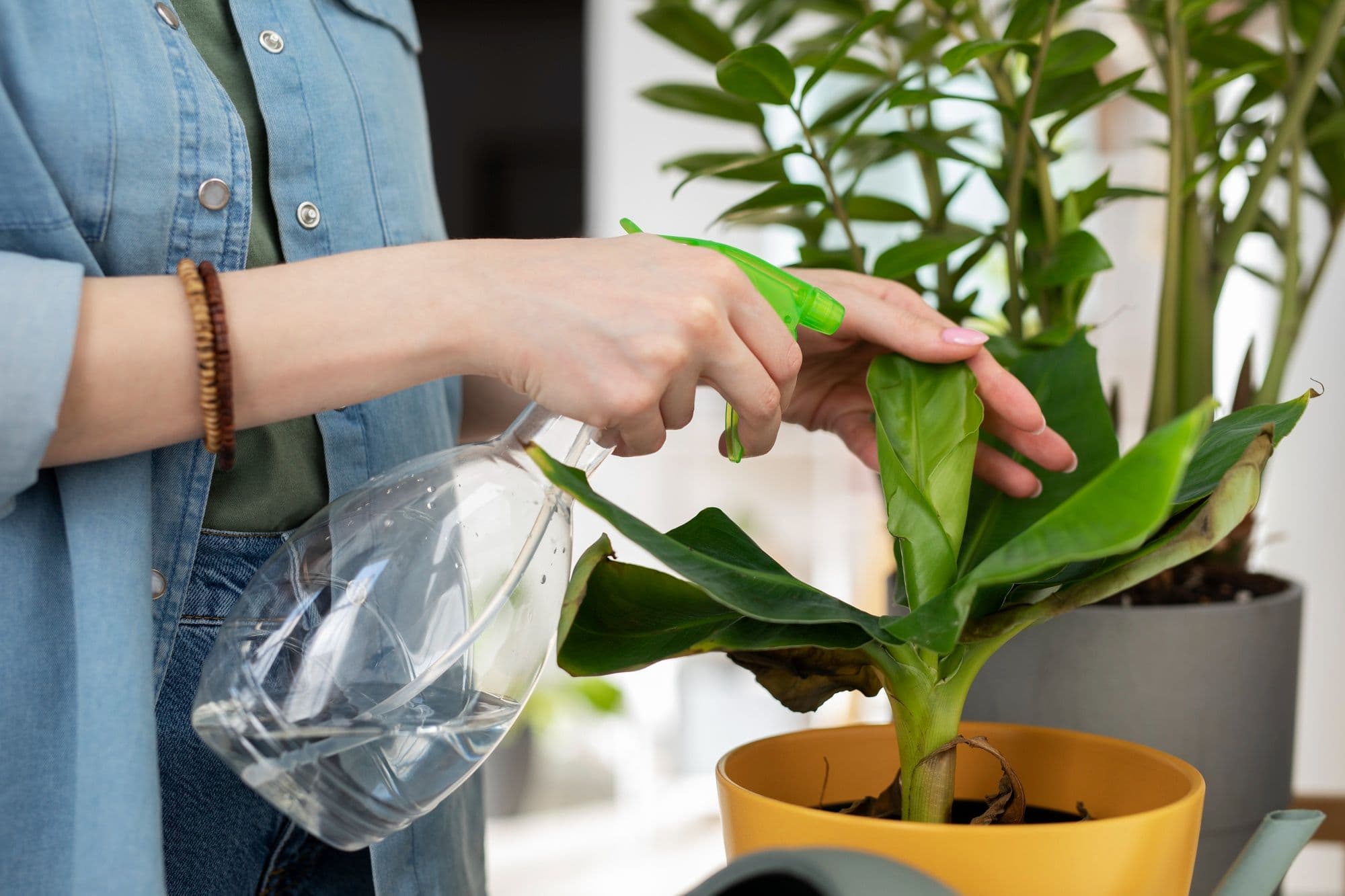
How to Mist Plants – Proper Technique and Common Mistakes

7 min read · 30 Jul 2026

How to Mist Plants – Proper Technique and Common Mistakes

Find out when misting works well and when to avoid it. Here, you’ll find detailed information about compatible and incompatible species, tips on how often to mist plants and do it correctly, and some great alternatives for raising humidity.

Beginner Guides
How to Mist Plants – Proper Technique and Common Mistakes
Plants That Repel Mosquitoes – 10 Effective Choices

8 min read · 6 Jul 2026

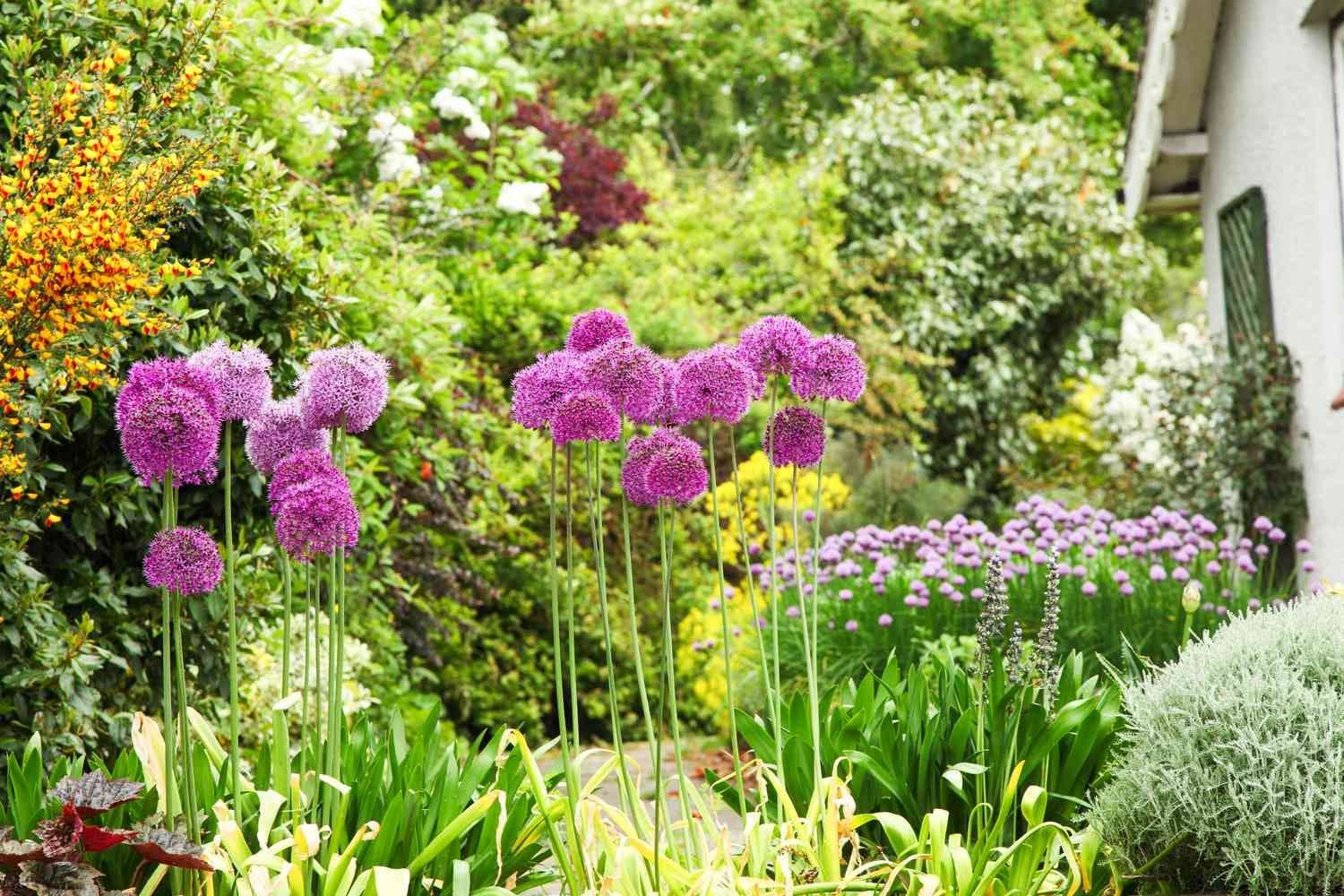
Plants That Repel Mosquitoes – 10 Effective Choices

Plants that repel mosquitoes can help mask human scent naturally and make outdoor spaces more comfortable. Explore the most effective options, their benefits and drawbacks, and choose the right plant for your space.

Plant Recommendations
Plants That Repel Mosquitoes – 10 Effective Choices
How to Group Plants in Landscaping: A Practical Layout Guide

8 min read · 31 Aug 2026

How to Group Plants in Landscaping: A Practical Layout Guide

Good plant grouping can mean the difference between a well-planned garden and one that looks sloppy. This guide explores layers, spacing, cluster shapes, and the plants that thrive when you group them.

Plant Care
How to Group Plants in Landscaping: A Practical Layout Guide