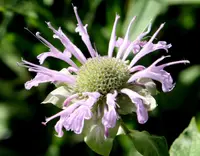
Shallow, fibrous roots
European red raspberry has a shallow, fibrous root system that occupies mainly the top 12 in (30 cm) of soil, so it depends on consistent surface moisture and is sensitive to drying out in light, sandy soils.

This page explains when, how often, and how much to water Rubus idaeus for steady, healthy growth.

Water Requirements
Regular Water
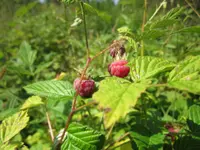
Native to temperate, seasonally moist regions, Rubus idaeus prefers soil that stays evenly damp but not saturated. Watering Raspberry is about matching that steady moisture, then easing off slightly when growth slows.
As a mainly outdoor crop, in-ground plants rely on broader soil moisture, while containers dry faster and need closer attention. The basic goal is gentle, consistent hydration that supports foliage, flowering, and fruit without keeping roots in soggy conditions.
Water Rubus idaeus when the top 1–2 inches (3–5 cm) of soil feel dry and crumbly. In active growth and fruiting, this typically means watering about 1–3 times per week, with shorter intervals during hot, windy weather and longer intervals in cool or rainy periods.
Water Raspberry when the top 1–2 inches (3–5 cm) of soil feel dry and crumbly, using slow, deep soaking.
Incorrect moisture around Rubus idaeus can trigger several avoidable stress-related growth and health problems.
Tender shoots droop midday while soil feels wet, indicating waterlogged conditions and struggling roots lacking oxygen.
Older foliage turns pale between veins from prolonged soggy soil, leading to nutrient lockout and weak growth.
Stems darken and die back at ground level when chronically saturated soil encourages crown rots.
Fruits dry, crumble, or stay small when shallow roots experience frequent drought between deep waterings.
Maintain evenly moist, well-drained soil using deep, infrequent watering adjusted to weather and growth stage.
Poor watering habits can weaken Rubus idaeus, reducing berry production and making raspberry canes more vulnerable to stress and disease.
Safe watering for raspberries relies on responsive habits, checking soil moisture regularly and supporting steady drainage rather than constant wetness.

Plant Water Guide
Learn how much water your plant needs and keep its routine on track
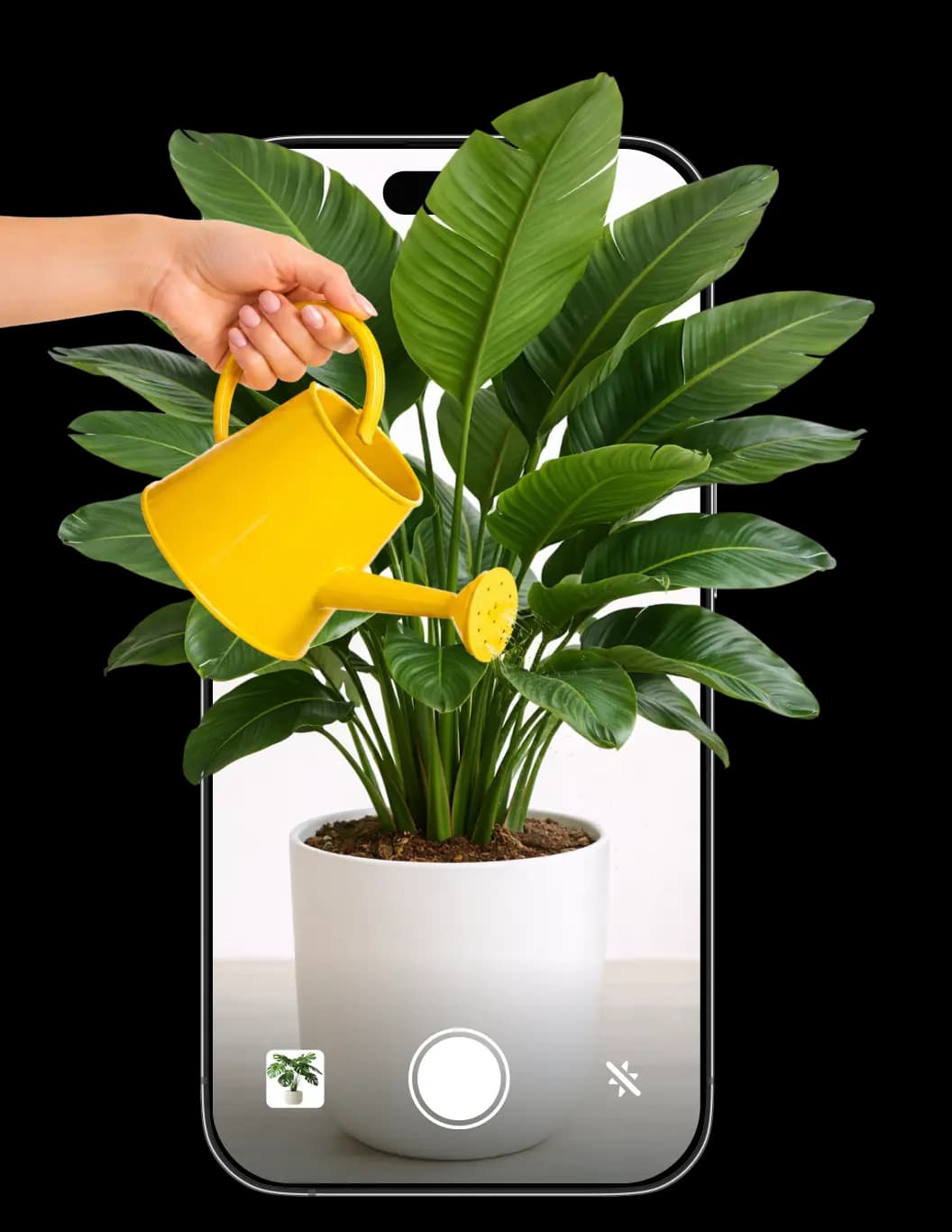
Use Botan for a clear watering guide and simple care steps for Rubus idaeus, plus gentle photo-based issue checks to spot early signs of stress or disease.
European red raspberry has a shallow, fibrous root system that occupies mainly the top 12 in (30 cm) of soil, so it depends on consistent surface moisture and is sensitive to drying out in light, sandy soils.
During flowering and fruit development, European red raspberry shows markedly higher transpiration and water use, and research plots often require frequent irrigation at this stage to maintain berry size and reduce fruit crumbling.
European red raspberry is prone to root disease and decline in poorly drained or waterlogged soils, so commercial plantings are commonly established on raised beds or well-drained slopes to keep the root zone aerated.
Do not let the root zone dry completely. Aim for evenly moist soil, especially during flowering and fruiting. Allow just the top 1–2 inches (3–5 cm) to dry slightly before watering again.
Botan helps evaluate if your plant’s watering schedule matches its needs.
7 min read · 30 Jul 2026
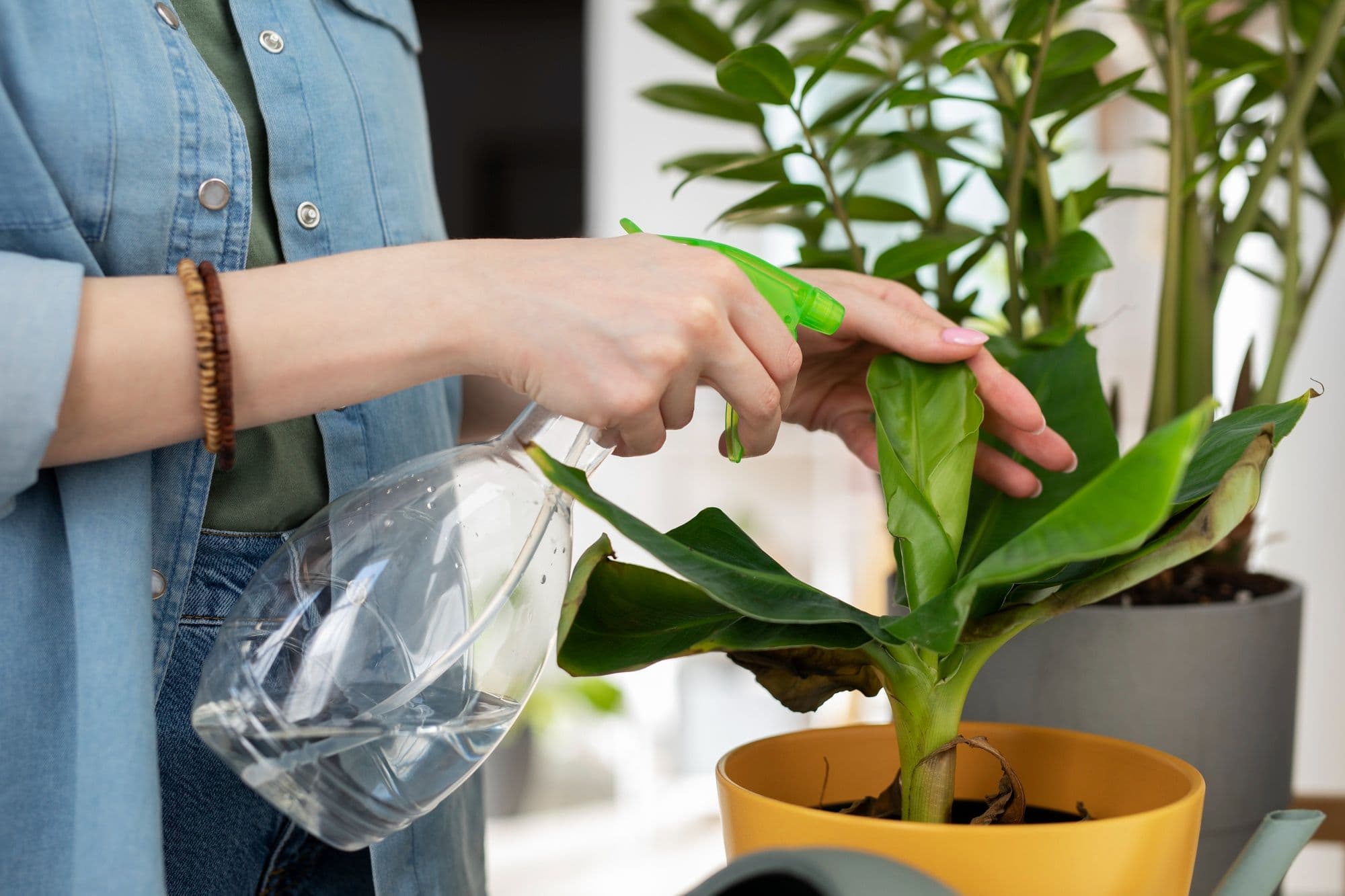
Find out when misting works well and when to avoid it. Here, you’ll find detailed information about compatible and incompatible species, tips on how often to mist plants and do it correctly, and some great alternatives for raising humidity.
8 min read · 6 Jul 2026
Plants that repel mosquitoes can help mask human scent naturally and make outdoor spaces more comfortable. Explore the most effective options, their benefits and drawbacks, and choose the right plant for your space.

8 min read · 31 Aug 2026
Good plant grouping can mean the difference between a well-planned garden and one that looks sloppy. This guide explores layers, spacing, cluster shapes, and the plants that thrive when you group them.