

Raspberry Identification (Rubus idaeus)

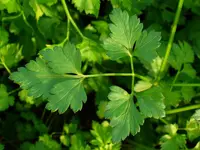
Recognize Rubus idaeus by its arching, cane-forming stems, leaves divided into 3 to 5 toothed leaflets, and white five-petaled flowers about 1/2 inch (1.3 cm) across.

Plants usually grow as thickets, with upright to arching canes reaching about 3 to 6 feet tall (0.9 to 1.8 m).

Rubus idaeus Identification

Scan to Confirm Raspberry

Upload a clear image to check whether your plant ID is correct.

Clear images work best. Avoid photos taken too close or too far away

Check a few cane, leaf, flower, and fruit details on Rubus idaeus.

  • Plants form upright, arching canes, often in clumps, usually 3-6 feet (0.9-1.8 m) tall.
  • Leaves are alternate and usually have 3-5 toothed leaflets, with a pale whitish underside.
  • Canes are round and carry many small, slender prickles rather than large thorns.
  • Flowers are white, about 1/2-3/4 inch (1.3-2 cm) across, with 5 petals.
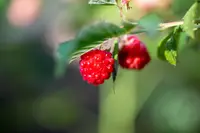
  • Fruits are red, rounded, and made of many small drupelets, with a hollow center when picked.

The hollow fruit and pale leaf undersides are especially useful visual clues.

Rubus idaeus shows clear visual changes from new cane growth to fruiting stems.

  • Young plant: First-year canes rise unbranched from the base, green to reddish, with soft prickles and larger compound leaves, but no flower clusters.
  • Mature plant: Older plants form a patch of upright canes about 3-6 feet (0.9-1.8 m) tall, with second-year stems noticeably more branched than first-year shoots.
  • Flowering stage: On second-year canes, short side branches carry small white flowers in loose clusters, shifting the plant from mostly leafy shoots to a visibly branched flowering framework.
  • Fruiting stage: After flowering, the same side branches hold red aggregate fruits made of many small drupelets, creating a heavier, nodding look absent in nonfruiting canes.

Several Raspberry selections are easy to separate by cane color, fruit color, and growth habit.

  • 'Golden Everest': Differs from the typical red-fruited form by producing clear yellow to golden berries on otherwise similar upright canes.
  • 'Glencoe': Shows deep purple berries and nearly spineless, arching canes, unlike the usual prickly canes and red fruit.
  • 'Black Jewel': Stands out with very dark purple-black fruit and stout, strongly arching canes that often look darker than standard red raspberry types.
  • 'Malling Jewel': Has purple-red fruit rather than bright red, giving the plant a darker fruit display at harvest.

In spring, Raspberry leafs out on arching canes, and white five-petaled flowers become visible from late spring into early summer. By summer, the soft aggregate fruits ripen and are often the clearest field mark. After leaf drop in fall, the plant shows bare, thorny canes through winter. Older fruiting canes often look browner and more worn, while first-year canes stay greener and smoother.

Several brambles can be mistaken for Raspberry at a quick glance.

blackberry(Rubus allegheniensis)

Confused because both are arching, thorny canes with compound leaves and aggregate berries. Blackberry fruits keep the white core when picked; raspberry fruits slip off hollow. Blackberry canes are usually stouter and more strongly ridged.

black raspberry(Rubus occidentalis)

Often mistaken for red raspberry because both have similar leaves and hollow-picked fruit. Black raspberry has dark purple to black fruit and canes with a whitish bloom; red raspberry fruit is usually red and the canes are less glaucous.

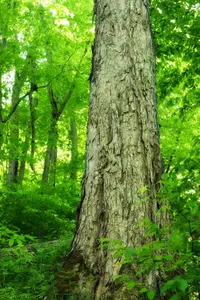
Rubus idaeus is native across much of northern Europe and temperate Asia, with a related native presence in northern North America. In the wild it is most often found in cool temperate woods, forest edges, clearings, streambanks, and disturbed mountain slopes. That setting helps with identification because wild red raspberry commonly appears in sunny openings near woodland rather than in deep shade, deserts, or coastal marshes. Finding it in thickets along trails or recent clearings can help narrow the ID.

  • Prickles on stems: The stems carry small prickles that can scratch skin during handling. This is a skin-contact risk for humans and pets that brush through canes.
  • Hazardous look-alike risk: Rubus idaeus can be confused with nightshades such as bittersweet nightshade, which has poisonous berries for humans and pets if eaten. Raspberry fruits form from many small drupelets on thorny canes, not smooth berries on non-prickly vines.

Not Sure About the ID?

Use Botan to compare a photo and help confirm the plant, so you can make decisions with more confidence.

FAQ

It is easiest to identify when flowering or fruiting. White, five-petaled flowers and aggregate fruits, plus arching prickly canes and compound leaves with pale undersides, make Raspberry identification more reliable than in very young shoots.

More Plant Identification Guides

Know Your Plant Better

Identify it from a photo with Botan, then get plant details, care information, and common problems for that species.

Botan app identifying a plant from a photo
13 Best Front Yard Trees for Every Home and Yard

12 min read · 7 Aug 2026

13 Best Front Yard Trees for Every Home and Yard

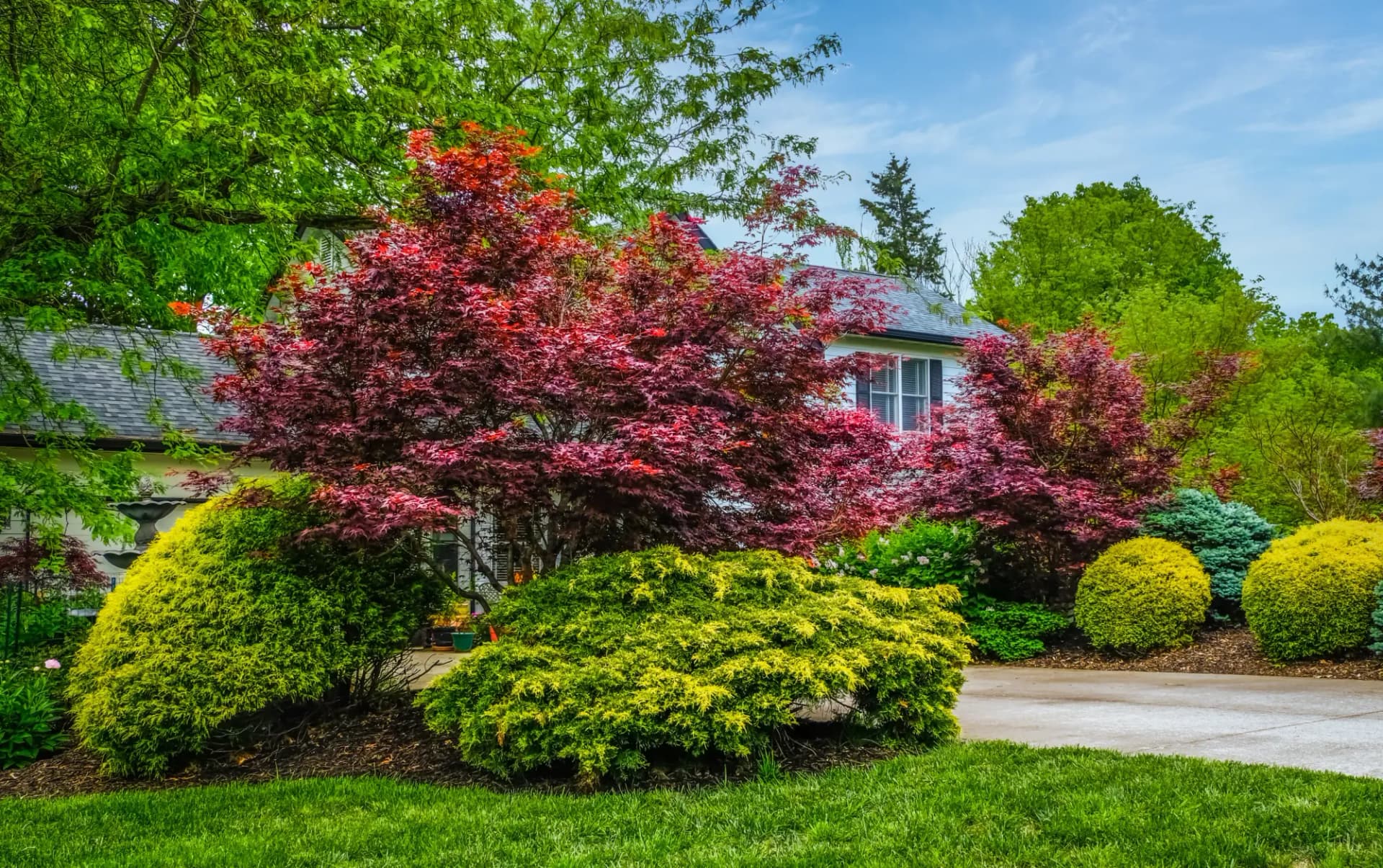
A front yard tree can stay for decades. Therefore, choosing one deserves serious consideration. Here are 13 trees that have proven themselves, sorted by their purpose. You'll also find five species to avoid and basic planting information.

Plant Recommendations
13 Best Front Yard Trees for Every Home and Yard
How to Winterize Your Garden in 6 Steps

5 min read · 28 Sept 2026

How to Winterize Your Garden in 6 Steps

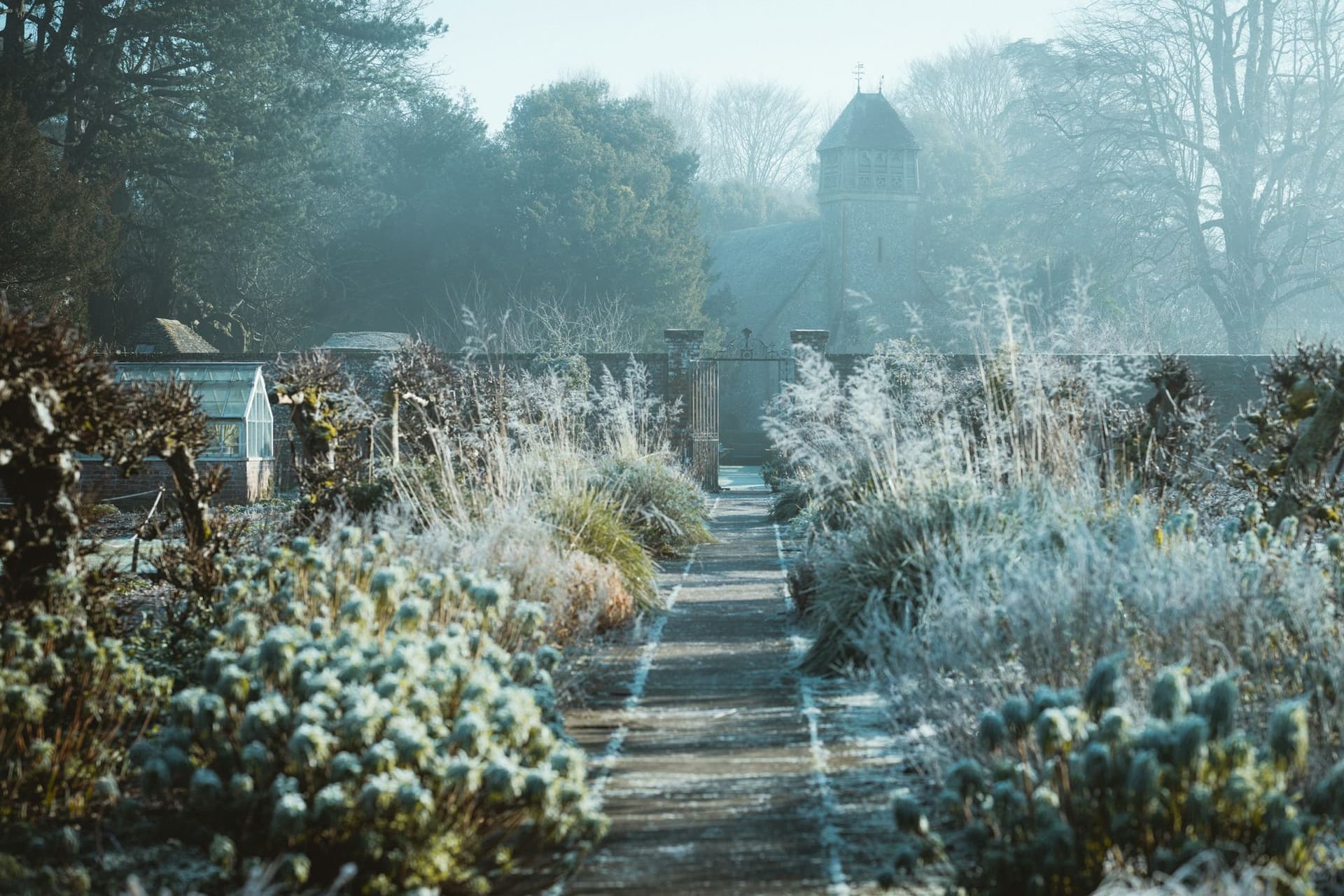
Learn how to prepare your garden for winter with a practical six-step checklist covering cleanup, tender plant care, watering, mulching, winter protection, and winterizing equipment and containers.

Plant Care
How to Winterize Your Garden in 6 Steps
How Fast Does Bamboo Grow Per Day, Month, and Year

10 min read · 7 Jul 2026

How Fast Does Bamboo Grow Per Day, Month, and Year

Bamboo grows extremely fast: some species can reach 5-6 m in just 3-4 months under the right conditions. This guide explains how much bamboo can grow per day, week, and year, and what affects its growth rate.

Plant Recommendations
How Fast Does Bamboo Grow Per Day, Month, and Year