Succession Sowing
Sow small batches every 2–3 weeks rather than one large planting so you always have young, leafy plants before they rush to flowering and seed.

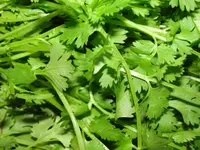
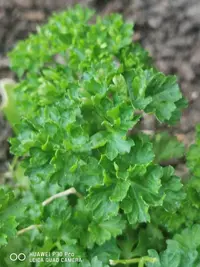
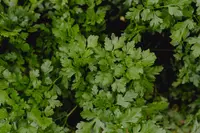
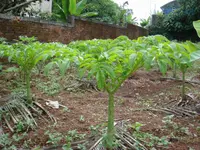
Coriander, Coriandrum sativum, is a fast-growing annual herb in the carrot family, valued for both its fresh leaves and dried seeds. It has soft, bright green foliage that starts broad and becomes more finely divided as the plant matures. Plants form upright clusters that bolt quickly in heat, producing small white flower umbels followed by aromatic seeds. This herb originates from regions around the eastern Mediterranean and western Asia but is now grown worldwide in home gardens and containers. It prefers sun, moderate moisture, and well-drained soil, and is generally easy to manage once you understand how to care for coriander in varying temperatures.

Care Difficulty
Moderate Care

Light Preference
Full Sun

Water Requirements
Regular Water

Temperature Preference
Cool Climate

Hardiness Zone
2–11

Soil Texture
Sandy, Loamy, Organic-rich

Soil pH
Acidic (5.5–6.5), Slightly acidic (6.5–7.0)

Soil Drainage
Moist but well-drained

Fertilization
Light (every 4–6 weeks)
Scan your plant to receive care tips personalized for your specific plant
Available on iOS and Android
This herb prefers bright conditions but is sensitive to intense heat and prolonged shade.
This plant needs steady soil moisture without staying saturated.
This annual herb prefers cool to mildly warm conditions and declines in temperature extremes.
This species grows well in typical outdoor humidity and rarely needs special moisture control.
This herb prefers loose, moderately fertile, well-drained soil to support fast root and leaf growth.
This species is well suited to container growing when the pot supports its taproot and steady moisture.
Coriandrum sativum is a short-lived herb that benefits from light, balanced feeding in poor soils only.
Pruning Coriandrum sativum focuses on harvesting techniques rather than structural shaping.
Coriandrum sativum is usually grown from seed and dislikes root disturbance, so transplanting must be gentle and infrequent.
Most Coriandrum sativum is propagated by seed rather than vegetative methods.
In most temperate climates, coriander behaves as a cool-season annual and needs only limited winter care.

Plant Health Check
Not sure what's wrong with your plant? Check your plant's health inside the app.
This species is unusual in everyday cooking because the fresh leaves and the dried seeds have distinct flavors and are treated almost as two different herbs and spices in many cuisines.
It is an annual that often bolts, or flowers quickly, when temperatures rise, which is why it is traditionally sown repeatedly through cool seasons rather than grown as a long-term herb.
Archaeological evidence shows its seeds in ancient Egyptian tombs and in Bronze Age sites around the Mediterranean, indicating humans have cultivated and traded it for thousands of years as a flavoring and preservative.

Genetic studies suggest that strong dislike for the soapy taste sometimes perceived in the fresh leaves is linked to variations in human olfactory receptor genes, meaning the plant itself is the same but people sense its aroma very differently.
Yellowing leaves usually result from aging foliage, water stress, nutrient deficiency, or heat-triggered bolting. Check drainage, avoid soggy soil, feed lightly with balanced fertilizer, and harvest regularly to slow premature flowering and extend leafy growth.
Keep your plants happy and healthy with plant identification, disease detection, and easy care guidance.