


sage (Salvia patens) Light Needs

sage grows best in full sun, with several hours of direct light each day and some tolerance for part sun.

Light Preference

Full Sun

Salvia patens Light Requirements

Salvia patens is native to higher-elevation areas of Mexico, where it grows in open, sunny sites and lightly shaded woodland edges. In those conditions, the plant receives strong seasonal light, with direct sun for much of the day and some relief from intense heat.

In cultivation, this background explains its best performance in bright garden exposure rather than shade. Preferred light is full sun.

  • Ideal exposure:

    sage needs about 6–8 hours of full sun daily, including at least 6 hours of direct sun when temperatures are moderate.

  • Full sun tolerance:

    Established plants can handle open sun, but sudden exposure after shade can scorch tender leaves.

  • Part sun tolerance:

    It can grow with 4–6 hours of sun, though flowering may be lighter.

  • Hot afternoon sun:

    In very hot sites, morning sun with light afternoon relief is safer than reflected heat.

Strong sun can stress tender or newly moved plants.

Bleached patches:

Pale tan or whitish areas on upper leaves can appear after sudden exposure to harsh direct sun.

Crisp exposed leaves:

The most sun-facing leaves may feel dry or papery while shaded inner growth looks normal.

Midday flagging:

Stems and leaves may droop during the brightest hours, especially in reflected heat.

Faded flowers:

Blooms may fade faster when the plant sits in intense afternoon sun.

Move Salvia patens to morning sun or give light afternoon shade. Increase brighter exposure gradually over 7–10 days if the plant was previously shaded.

Low light mainly shows as weak growth and fewer flowers.

  • Stretched stems:

    Long, soft stems with wide gaps between leaf pairs suggest the plant is reaching for brighter light.

  • Leaning growth:

    New shoots may angle strongly toward the sunniest side instead of staying upright.

  • Fewer blooms:

    Salvia patens may produce fewer flower spikes when it receives only weak or brief light.

  • Smaller new leaves:

    Fresh growth can look smaller and less sturdy than older growth formed in better light.

  • Slow active growth:

    Little progress during warm weather can point to inadequate light when temperature and general care are otherwise suitable.

Move the plant to a brighter open site with several hours of direct sun. Make the change gradually if the new spot is much sunnier.

Choose the sunniest outdoor spot available if full sun is limited, and prioritize morning sun over brief late-day exposure. Accept part sun only when it still gives 4–6 hours of direct light.

Reduce heat stress by placing the plant away from reflective walls or pavement. Rotate containers every 1–2 weeks so all sides receive even sun.

Avoid deep shade under dense cover because it weakens stems and reduces bloom.

Get Personalized Care Plan

Scan your plant to receive care tips personalized for your specific plant

FAQ

The best light for sage is full sun: about 6–8 hours of bright outdoor exposure daily, with most of that as direct sun for strongest flowering.

More Plant Light Guides

Get the Botan App

Discover how to care for your plants with Botan.

Botan app identifying a plant with a phone camera
Best Water for Plants – How to Choose the Right Type

7 min read · 13 Aug 2026

Best Water for Plants – How to Choose the Right Type

Rainwater, filtered, distilled, and tap water affect plants differently. Learn which types support healthy growth and which cause slow damage. Match each to your plants and discover how to easily improve tap water quality.

Plant Care
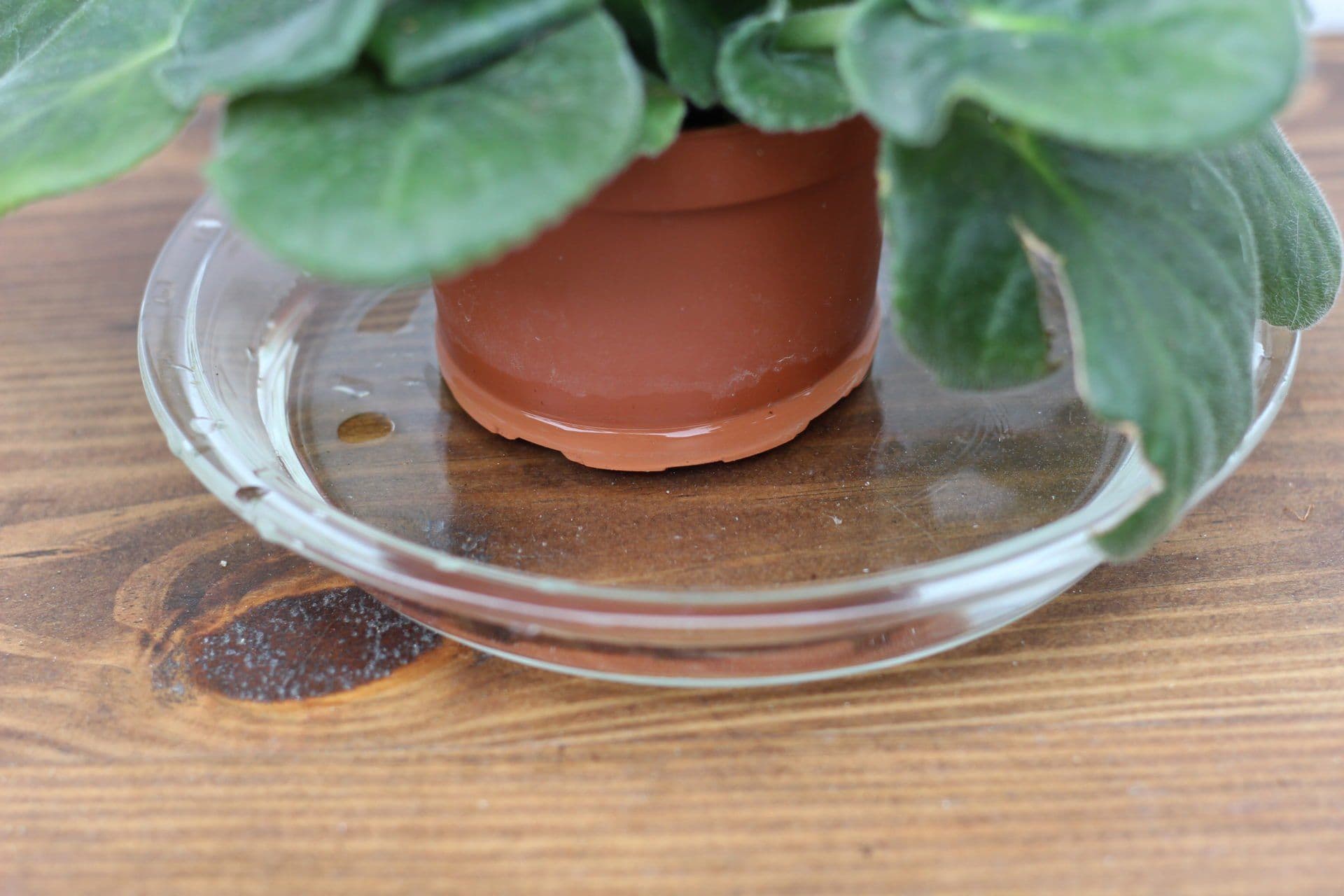
Best Water for Plants – How to Choose the Right Type
How to Bottom Water Plants: Complete Guide

6 min read · 13 Jul 2026

How to Bottom Water Plants: Complete Guide

Bottom watering helps soil absorb moisture evenly and keeps foliage dry, reducing the risk of missed dry spots or root problems. Place the pot in a tray of water for a short time, then let it drain well.

Plant Care
How to Bottom Water Plants: Complete Guide
How to Mist Plants – Proper Technique and Common Mistakes

7 min read · 30 Jul 2026

How to Mist Plants – Proper Technique and Common Mistakes

Find out when misting works well and when to avoid it. Here, you’ll find detailed information about compatible and incompatible species, tips on how often to mist plants and do it correctly, and some great alternatives for raising humidity.

Beginner Guides
How to Mist Plants – Proper Technique and Common Mistakes