

English daisy (Bellis perennis) Light Needs

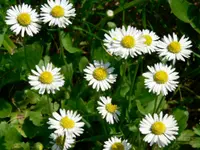
English daisy grows best in full sun, with partial sun tolerated in warmer or more exposed sites.

Light Preference

Full Sun

Bellis perennis Light Requirements

In its naturalized and native habitats, Bellis perennis is common in open grassland, lawns, pastures, and disturbed ground where taller growth stays low. These sites give it open sky and frequent direct sun, especially in cooler seasons.

Some light shade can occur from surrounding grasses or buildings, but dense shade reduces flowering and compact growth. In cultivation, it prefers full sun.

  • Ideal exposure:

    English daisy needs about 6–8 hours of outdoor light daily, ideally full sun with 6 or more hours of direct sun when temperatures are mild.

  • Partial sun:

    It can flower in 4–6 hours of direct sun, but bloom density may be lower than in full sun.

  • Afternoon heat:

    Strong afternoon sun is tolerated better in cool weather than in hot, dry sites, where partial sun is safer.

  • Dense shade:

    Shade is not suitable because growth becomes loose and flowering declines.

Strong sun is usually tolerated, but sudden exposure or hot afternoon sun can cause stress.

Bleached patches:

Leaves may develop pale, dry spots on the most exposed surfaces after a rapid move into stronger sun.

Crisp outer leaves:

Older outer leaves can look papery where harsh sun and heat hit the rosette directly.

Short-lived blooms:

Flowers may fade, flatten, or close sooner during bright, hot afternoons.

Move the plant to a site with morning sun and light afternoon shade. If exposure changed recently, increase sun gradually over 7–10 days.

Low light mainly shows as weak growth and fewer flowers.

  • Long flower stems:

    Bloom stalks may stretch and lean toward the brightest side instead of staying sturdy.

  • Fewer blooms:

    Bud production often drops when the plant receives less than several hours of direct sun.

  • Loose rosette:

    Leaf growth may look open and soft rather than low and compact.

  • Small new leaves:

    New growth can stay smaller during the active season when light is consistently weak.

Shift it to a brighter outdoor position with at least partial sun. Avoid deep shade, because Bellis perennis is not a shade plant.

If full sun is not available, choose the brightest spot that still gives 4–6 hours of direct sun. Prioritize morning sun in hot climates or exposed patios.

Trim back nearby overgrowth or move containers away from walls that block the sky. Rotate potted plants every few days if growth leans.

Avoid deep shade under dense structures, because flowering will usually decline there.

Get Personalized Care Plan

Scan your plant to receive care tips personalized for your specific plant

FAQ

This plant grows best in full sun, especially in cool to mild conditions. Partial sun is acceptable, but heavier shade usually reduces flowering and compact growth.

More Plant Light Guides

Get the Botan App

Discover how to care for your plants with Botan.

Botan app identifying a plant with a phone camera
Best Water for Plants – How to Choose the Right Type

7 min read · 13 Aug 2026

Best Water for Plants – How to Choose the Right Type

Rainwater, filtered, distilled, and tap water affect plants differently. Learn which types support healthy growth and which cause slow damage. Match each to your plants and discover how to easily improve tap water quality.

Plant Care
Best Water for Plants – How to Choose the Right Type
Is Sugar Water Good for Plants?

4 min read · 14 Sept 2026

Is Sugar Water Good for Plants?

Sugar water may sound like an easy boost, but most rooted plants do not need extra sucrose. This guide explains how green tissues produce carbohydrates, when a sweetened solution can be useful, and why too much can cause problems.

Plant Care
Is Sugar Water Good for Plants?
Plants That Repel Mosquitoes – 10 Effective Choices

8 min read · 6 Jul 2026

Plants That Repel Mosquitoes – 10 Effective Choices

Plants that repel mosquitoes can help mask human scent naturally and make outdoor spaces more comfortable. Explore the most effective options, their benefits and drawbacks, and choose the right plant for your space.

Plant Recommendations
Plants That Repel Mosquitoes – 10 Effective Choices