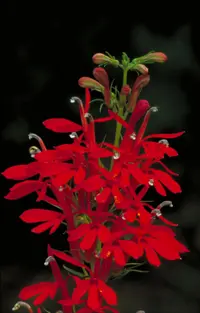





Cardinal flower (Lobelia cardinalis) Light Needs

Cardinal flower grows best in full sun to partial sun, with strong light for reliable flowering.

Light Preference

Full Sun

Lobelia cardinalis Light Requirements

In the wild, Cardinal flower grows in wet meadows, marsh edges, streambanks, and other open, consistently moist sites across much of eastern North America. These habitats often provide direct sun for part or most of the day, with filtered light where taller vegetation borders the site.

Seasonal growth is strongest when bright light reaches the foliage during spring and summer, especially where moisture stays steady. This plant prefers full sun to partial sun.

  • Ideal exposure:

    Cardinal flower needs about 6–8 hours of strong outdoor light daily, ideally full sun, including 4–6 hours of direct sun.

  • Full sun:

    It tolerates full sun well when the site is not exposed to extreme reflected heat.

  • Partial sun:

    Morning sun with light afternoon shade is a good choice in hot summer climates.

  • Too shaded:

    Bright shade may keep foliage growing, but flowering is often reduced and stems may stretch.

Excess light stress usually appears after sudden exposure or prolonged hot afternoon sun.

Pale scorch patches:

Upper leaves may develop light tan or whitish papery areas after sudden exposure to stronger sun.

Crisped exposed leaves:

The most sun-facing leaves may dry at thin sections while shaded leaves remain normal.

Midday flagging:

Foliage may droop during intense afternoon sun, especially in exposed sites.

Short-lived blooms:

Flowers may fade faster when strong afternoon sun and heat hit the spikes directly.

Shift the plant where it receives morning sun and some afternoon shade. If moving it into stronger light later, increase exposure over several days.

Lobelia cardinalis does not perform well in shade for long periods. Low light is most noticeable during active growth and flowering.

  • Stretched stems:

    New stems may grow taller and weaker, with more space between leaves than normal.

  • Leaning growth:

    Stems may angle toward the brightest side rather than staying upright.

  • Fewer flowers:

    Flower spikes may be sparse, delayed, or absent when light is consistently weak.

  • Small new leaves:

    Fresh growth may look smaller and less sturdy during the main growing season.

Move it to a brighter outdoor position with more morning or midday sun. Increase exposure gradually if it has been in shade for several weeks.

If full sun is not available, choose a site with strong morning sun and light afternoon shade; this is the best compromise for Lobelia cardinalis light needs.

Trim nearby overhanging growth or move containers away from walls and fences that block morning light.

Avoid deep shade under dense cover because the stems tend to stretch and flowering is reduced.

Get Personalized Care Plan

Scan your plant to receive care tips personalized for your specific plant

FAQ

Cardinal flower sunlight requirements are usually full sun to partial sun. Aim for 6–8 hours of strong outdoor light, with several hours of direct sun for best flowering.

More Plant Light Guides

Get the Botan App

Discover how to care for your plants with Botan.

Botan app identifying a plant with a phone camera
How Often to Water Fruit Trees

7 min read · 11 Aug 2026

How Often to Water Fruit Trees

Irrigation needs change as roots establish and weather shifts. This guide gives practical starting intervals, explains how soil and tree type change them, and shows how to recognize both excess moisture and drought stress.

Plant Care

How Often to Water Fruit Trees
What Do Plants Need to Grow – 5 Things Every Greenery Can't Live Without

8 min read · 31 Jul 2026

What Do Plants Need to Grow – 5 Things Every Greenery Can't Live Without

To keep plants healthy and thriving, provide the right balance of light, humidity, nutrients, airflow, and quality soil. This guide covers the essentials of year-round plant care.

Beginner Guides
What Do Plants Need to Grow – 5 Things Every Greenery Can't Live Without
Plants That Repel Mosquitoes – 10 Effective Choices

8 min read · 6 Jul 2026

Plants That Repel Mosquitoes – 10 Effective Choices

Plants that repel mosquitoes can help mask human scent naturally and make outdoor spaces more comfortable. Explore the most effective options, their benefits and drawbacks, and choose the right plant for your space.

Plant Recommendations
Plants That Repel Mosquitoes – 10 Effective Choices