


Blue Star (Amsonia 'Blue Ice') Light Needs

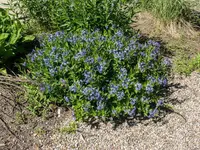
Blue Star grows best in full sun, with several hours of direct light each day.

Light Preference

Full Sun

Amsonia 'Blue Ice' Light Requirements

This cultivar is grown from a group of perennial wildflowers adapted to open, sunny sites and lightly shaded edges, where light is strongest for much of the growing season. In garden settings, that pattern explains its compact growth and better flowering in open exposure. It can handle partial sun, especially where afternoons are hot, but dense shade reduces bloom and stem strength. Preferred light is full sun.

  • Ideal exposure:

    Amsonia 'Blue Ice' needs about 6–8 hours of full sun daily, with at least 6 hours of direct sun when possible.

  • Full sun:

    Established clumps tolerate full sun all day in garden beds when exposure is not changed abruptly.

  • Partial sun:

    Four to 6 hours of direct sun is tolerated, but flowering may be lighter and stems may loosen.

  • Shade limits:

    Bright shade or deep shade is not suitable because it reduces bloom density and plant strength.

This sun-tolerant perennial usually shows stress only when exposure changes too quickly or heat is reflected.

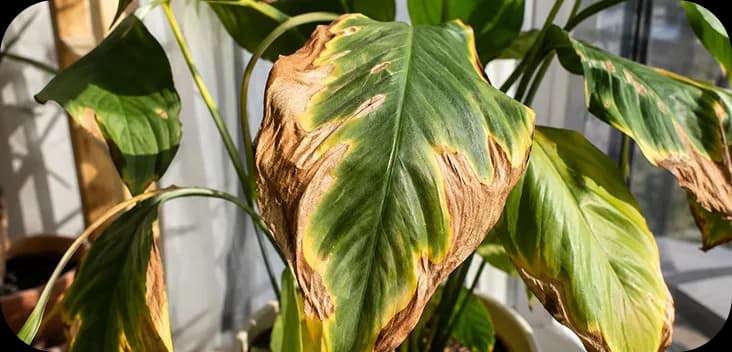
Bleached patches:

Pale or tan marks on leaf surfaces can appear after sudden exposure to stronger direct sun.

Dry scorch spots:

Crisp brown areas may form where leaves face intense afternoon sun or hot paving.

Temporary flagging:

Stems may droop during the brightest part of very hot days, especially in exposed containers.

Faded blooms:

Flowers can age faster in harsh late-day sun, even when the plant is otherwise healthy.

Shift Amsonia 'Blue Ice' to morning sun with light afternoon shade, or reduce reflected heat. Increase sun exposure gradually after moving it from shade.

Low light is more limiting than strong sun for this plant.

  • Stretched stems:

    New stems may grow taller and thinner as they reach toward stronger light.

  • Leaning growth:

    The clump may angle toward the brightest side instead of holding an even shape.

  • Fewer flowers:

    Flower buds may be sparse, and spring bloom can be noticeably reduced in shade.

  • Small new shoots:

    New growth may stay shorter and less dense during the active growing season.

Move Amsonia 'Blue Ice' to a brighter outdoor position with at least 4–6 hours of direct sun. Increase exposure step by step if it has been shaded.

If full sun is not available, choose the brightest outdoor spot with 4–6 hours of morning or midday sun. This is the best practical compromise.

Cut back or move anything that casts heavy shade over the crown, especially in spring when new stems form. For containers, rotate the pot every 1–2 weeks so all sides receive direct light.

Dense shade is unsuitable because it leads to weak stems and reduced flowering.

Get Personalized Care Plan

Scan your plant to receive care tips personalized for your specific plant

FAQ

Blue Star light requirements are strongest in full sun. The plant performs best with about 6–8 hours of sun daily, though it can still grow in partial sun.

More Plant Light Guides

Get the Botan App

Discover how to care for your plants with Botan.

Botan app identifying a plant with a phone camera
Is Sugar Water Good for Plants?

4 min read · 14 Sept 2026

Is Sugar Water Good for Plants?

Sugar water may sound like an easy boost, but most rooted plants do not need extra sucrose. This guide explains how green tissues produce carbohydrates, when a sweetened solution can be useful, and why too much can cause problems.

Plant Care
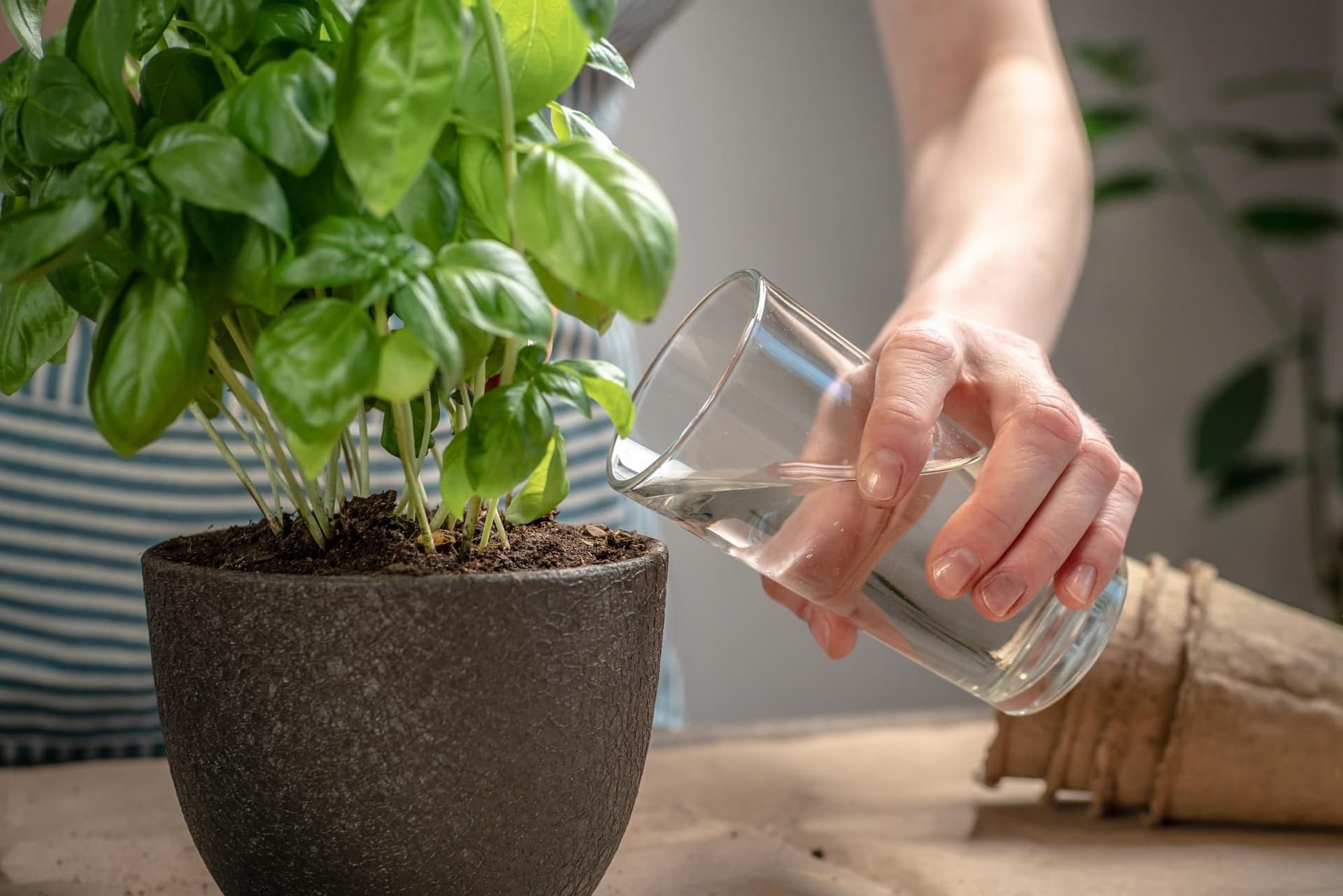
Is Sugar Water Good for Plants?
Best Water for Plants – How to Choose the Right Type

7 min read · 13 Aug 2026

Best Water for Plants – How to Choose the Right Type

Rainwater, filtered, distilled, and tap water affect plants differently. Learn which types support healthy growth and which cause slow damage. Match each to your plants and discover how to easily improve tap water quality.

Plant Care
Best Water for Plants – How to Choose the Right Type
Plants That Repel Mosquitoes – 10 Effective Choices

8 min read · 6 Jul 2026

Plants That Repel Mosquitoes – 10 Effective Choices

Plants that repel mosquitoes can help mask human scent naturally and make outdoor spaces more comfortable. Explore the most effective options, their benefits and drawbacks, and choose the right plant for your space.

Plant Recommendations
Plants That Repel Mosquitoes – 10 Effective Choices