


7 min read · 24 Aug 2026
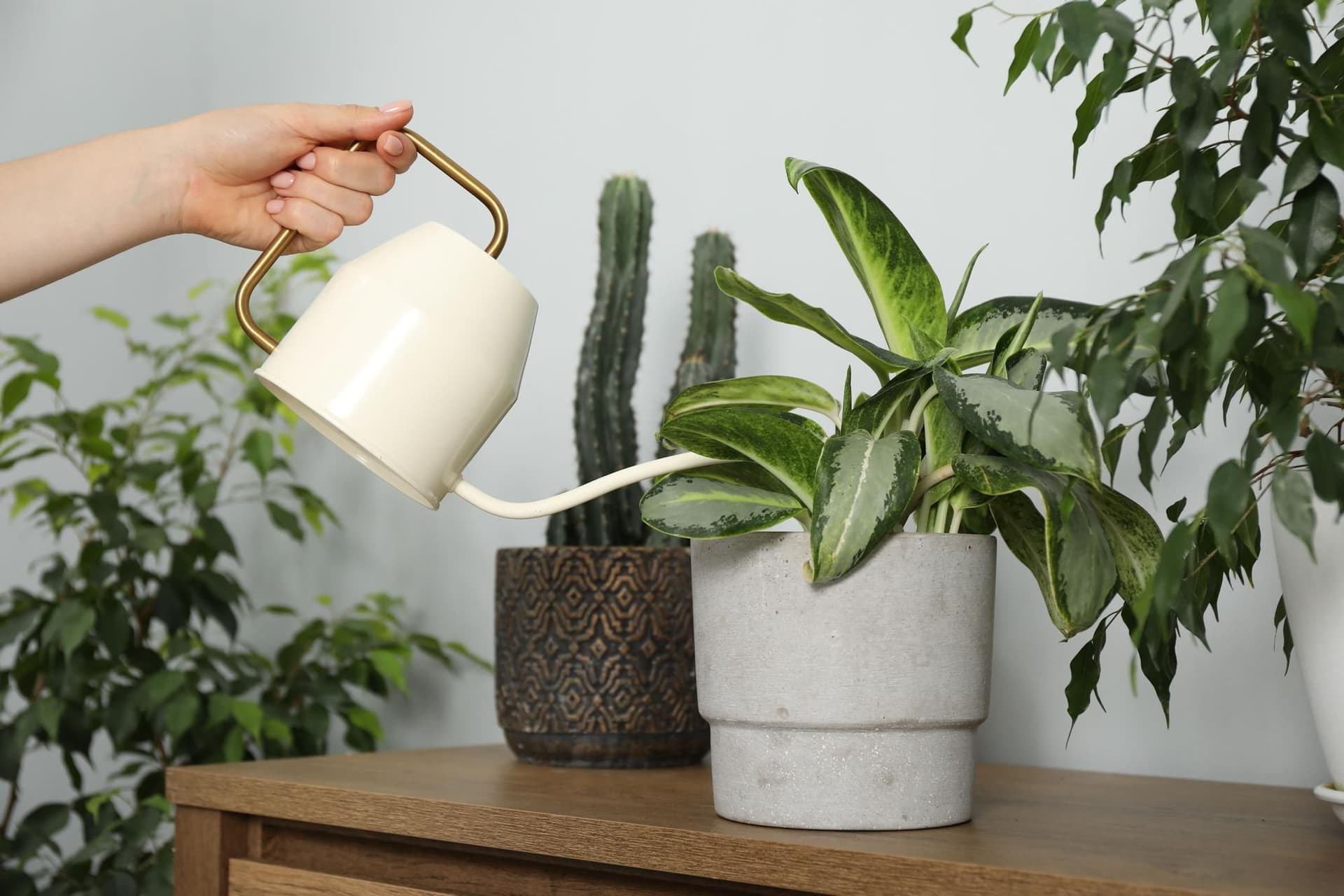
How to Water Houseplants: Watering Guide
Learn how often to water indoor plants, key factors for proper watering, and how to adjust the care routine by plant type, season, pot size, light, and indoor conditions.
Plant Care


pom pom grows best in full sun, with long daily exposure and several hours of direct light.

Light Preference
Full Sun
Ptilotus manglesii is native to southwestern Western Australia, where it grows in open, sunny sites with freely draining sandy or gravelly soils. In cultivation, that background matters because the plant is adapted to bright, exposed conditions rather than woodland shade or dim interiors. Seasonal heat and strong sky exposure support compact growth and flowering. Its preferred light is full sun.
pom pom needs about 6–8 hours of full sun daily, with at least 6 hours of direct sun for strongest growth and flowering.
Established plants tolerate open sun well, including midday and afternoon exposure, when introduced to bright conditions gradually.
Partial sun or shade often leads to weaker stems, sparse growth, and reduced flowering rather than normal performance.
Move nursery-grown or sheltered plants into stronger sun over several days to reduce pale scorching on tender growth.
Strong sun is usually tolerated, but sudden exposure can stress tender growth.
New leaves or young stems may develop bleached, papery patches after a fast move into harsh sun.
Fine foliage can dry at the tips during hot reflected afternoon sun, especially near walls or paving.
Flower heads may lose color faster when intense heat and all-day sun combine.
Move Ptilotus manglesii away from reflected heat or give light afternoon protection, then reintroduce stronger sun gradually. Avoid deep shade as the correction.
Low light shows as weak growth before serious decline. Ptilotus manglesii is not suited to shade.
New shoots may grow long, thin, and less upright as they reach toward stronger light.
Leaves can appear farther apart, giving the plant a looser shape than normal.
Bud production may be poor when direct sun is limited during the growing season.
Fresh shoots may stay smaller and softer than growth made in full sun.
Move it to the brightest outdoor position available with direct sun for most of the day. Increase exposure gradually if it has been shaded.
Choose the brightest outdoor spot available if full sun is limited, and prioritize morning-to-midday sun over brief late-day light.
Rotate containers every 1–2 weeks so stems receive even exposure, and move them away from fences or walls that cast long shade.
Do not rely on shade or bright indoor light; those setups rarely meet Ptilotus manglesii light needs.
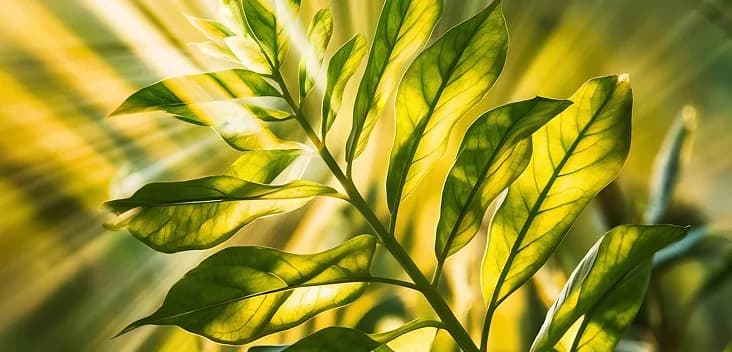
Light Check
Not sure if your plant is getting enough light? Check its light needs inside the app
Scan your plant to receive care tips personalized for your specific plant
The best light for pom pom is full sun, with about 6–8 hours of bright outdoor exposure per day. Strong direct sun supports compact growth and better flowering.
Discover how to care for your plants with Botan.

7 min read · 24 Aug 2026
Learn how often to water indoor plants, key factors for proper watering, and how to adjust the care routine by plant type, season, pot size, light, and indoor conditions.
8 min read · 31 Jul 2026
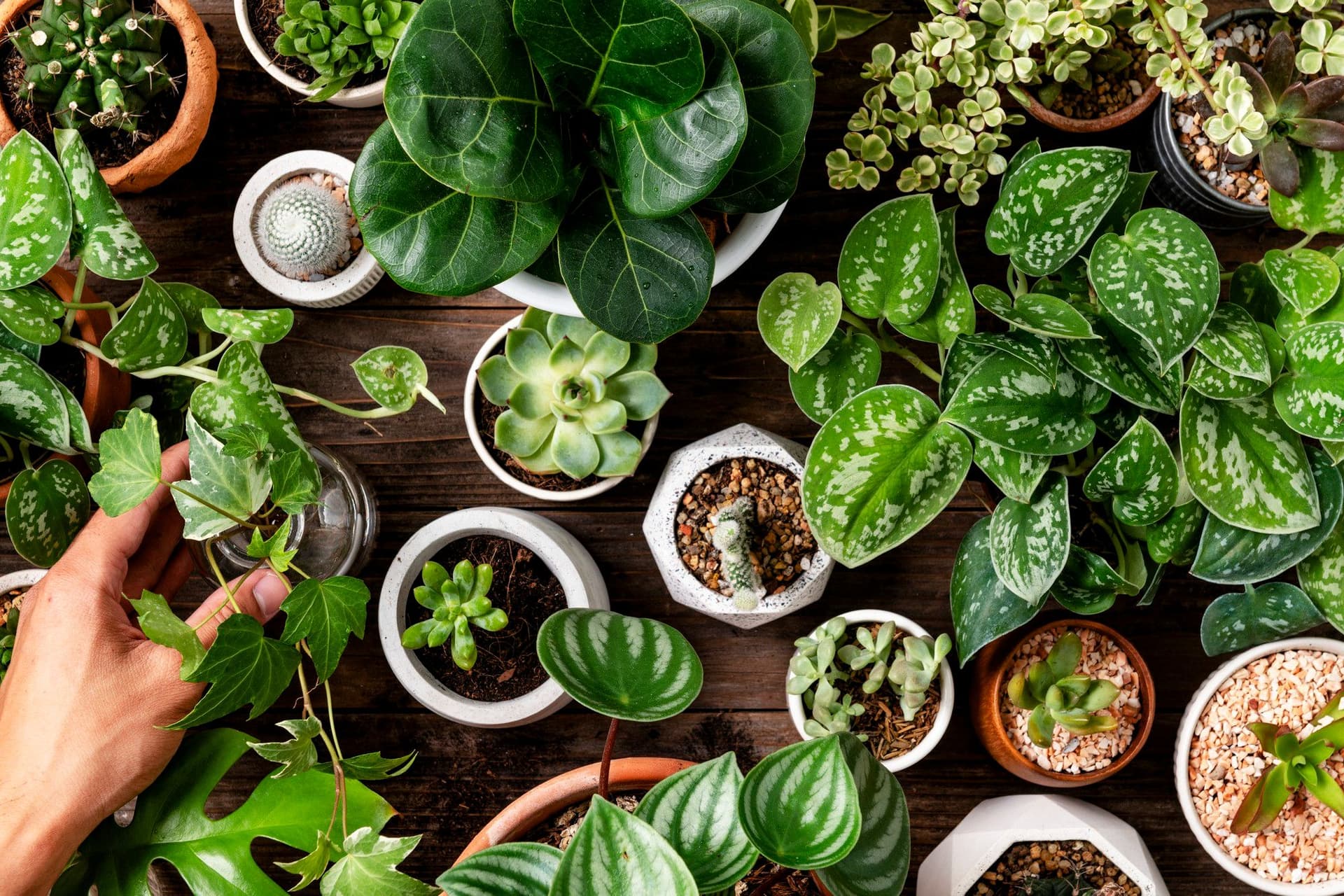
To keep plants healthy and thriving, provide the right balance of light, humidity, nutrients, airflow, and quality soil. This guide covers the essentials of year-round plant care.
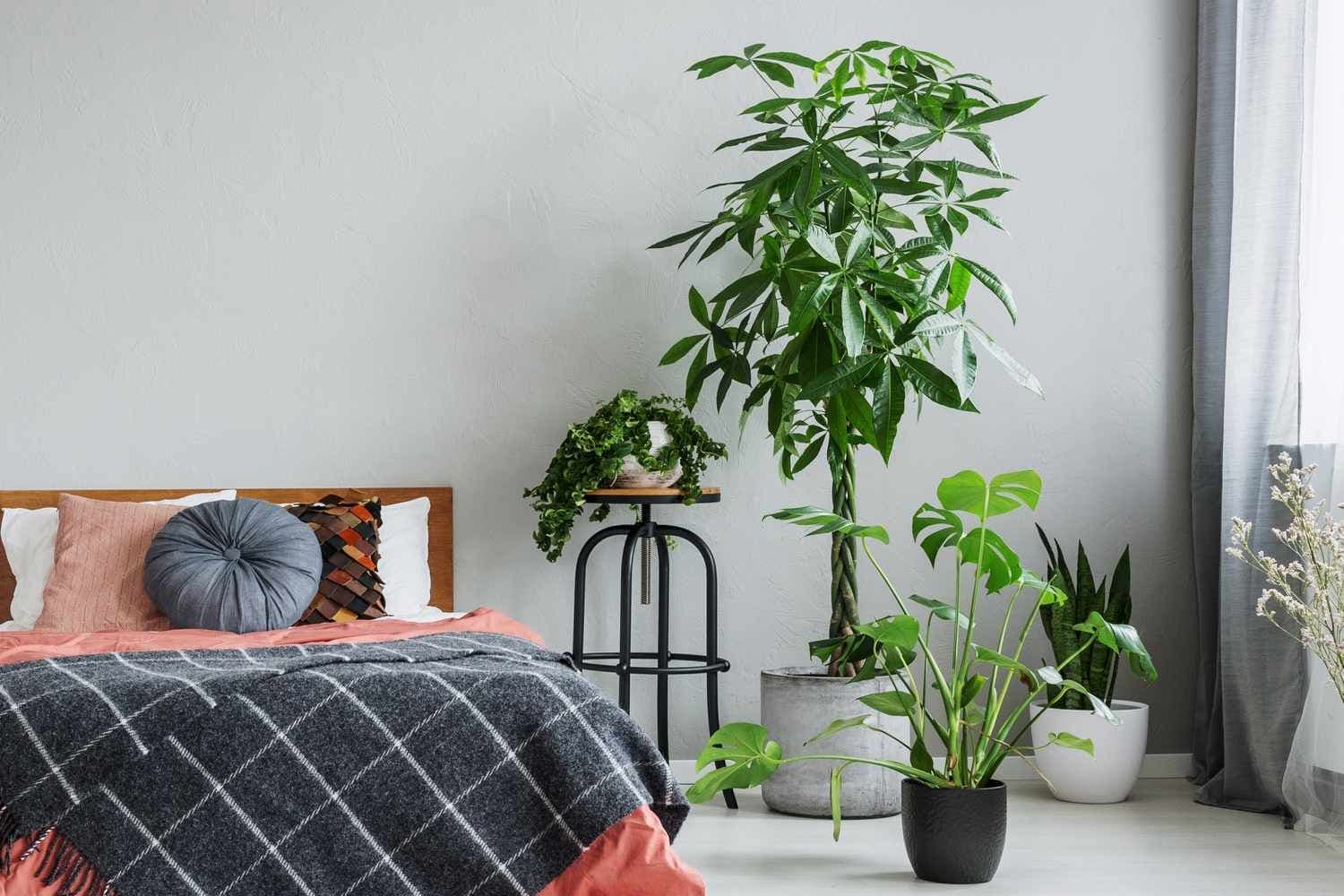
8 min read · 8 Jul 2026
Discover the top 10 houseplants that are suitable for growing in your bedroom. Compare their light and water needs, pet safety, and benefits. Find out where best to place greenery in your relaxation space and what species to avoid.