


Black Eyed Susan (Rudbeckia fulgida var. sullivantii 'Goldsturm') Light Needs

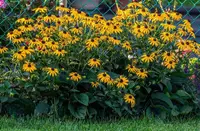
Black Eyed Susan grows best in full sun, with at least 6 hours of direct light daily.

Light Preference

Full Sun

Rudbeckia fulgida var. sullivantii 'Goldsturm' Light Requirements

Rudbeckia fulgida var. sullivantii 'Goldsturm' comes from a species associated with open meadows, prairie edges, and sunny woodland margins in eastern North America. These habitats give strong seasonal light, with only light competition from surrounding growth.

That background explains its garden performance. It flowers most heavily where light reaches the foliage for much of the day, and it can accept some partial sun. Preferred light is full sun.

  • Ideal exposure:

    Black Eyed Susan needs about 6–8 hours of full sun daily, including at least 6 hours of direct sun for strongest flowering.

  • Full sun tolerance:

    Established plants usually handle all-day sun well, especially in open garden beds with good air movement.

  • Partial sun tolerance:

    It can grow with 4–6 hours of direct sun, but flowering may be lighter and stems may stretch.

  • Afternoon intensity:

    Hot afternoon sun is tolerated better after gradual exposure, especially for newly planted or container-grown plants.

Full sun is normally safe, but abrupt or extreme exposure can cause stress.

Bleached patches:

Pale tan areas may appear on leaves facing the hottest sun, especially after a sudden move from partial shade.

Crisp top leaves:

Upper leaves can look dry or papery where reflected heat and direct afternoon sun are strongest.

Faded petals:

Flower petals may fade faster when heat and intense sun combine during midsummer.

Temporary wilting:

Stems may sag during peak afternoon sun, then recover as light softens.

Provide light afternoon shade for several days, or shift a container to morning and midday sun. Reintroduce stronger sun gradually.

Too little light mainly shows up as weak growth and fewer blooms during the active season.

  • Sparse flowering:

    Fewer buds or shorter bloom periods often occur when direct sun is limited.

  • Leaning stems:

    Stems may angle toward the brightest side instead of growing upright.

  • Stretched growth:

    New stems can become longer, thinner, and less sturdy when light is weak.

  • Smaller new growth:

    Leaves and shoots may develop more slowly during the active growing season.

Move it to a more open location with at least 6 hours of direct sun. Avoid deep shade, even if foliage survives.

If the plant cannot get all-day sun, choose a location with 6 hours of morning and midday sun. This is the best compromise for steady bloom.

Remove or trim nearby obstacles that cast midday shade, and rotate containers every 1–2 weeks so growth stays balanced.

Dense shade is unsuitable because it encourages weak stems and poor flowering.

Get Personalized Care Plan

Scan your plant to receive care tips personalized for your specific plant

FAQ

It grows best in full sun, usually 6–8 hours of direct light per day. Partial sun is tolerated, but flowering is usually stronger with longer exposure.

Everything About Black Eyed Susan

More Plant Light Guides

Get the Botan App

Discover how to care for your plants with Botan.

Botan app identifying a plant with a phone camera
What Plants Don't Like Epsom Salt?

11 min read · 29 Jul 2026

What Plants Don't Like Epsom Salt?

Learn which plants can be seriously damaged by Epsom salt and which will thrive on it. We’ll explain when and how to use it properly, provide tips for indoor & outdoor plants — read on and enjoy a healthy garden.

Plant Care
What Plants Don't Like Epsom Salt?
Best Water for Plants – How to Choose the Right Type

7 min read · 13 Aug 2026

Best Water for Plants – How to Choose the Right Type

Rainwater, filtered, distilled, and tap water affect plants differently. Learn which types support healthy growth and which cause slow damage. Match each to your plants and discover how to easily improve tap water quality.

Plant Care
Best Water for Plants – How to Choose the Right Type
Top 15 Plants That Don’t Need Sunlight

8 min read · 17 Sept 2026

Top 15 Plants That Don’t Need Sunlight

Some plants thrive in dim rooms, shaded corners, and places with indirect light. In this guide, you’ll explore the top 15 species best suited to low-light conditions and how to care for them.

Plant Recommendations
Top 15 Plants That Don’t Need Sunlight