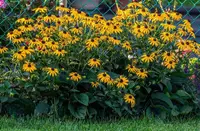
Black Eyed Susan (Rudbeckia fulgida var. sullivantii 'Goldsturm') Watering Guide

This page explains when, how often, and how much to water Rudbeckia fulgida var. sullivantii 'Goldsturm' for practical care.

Water Requirements

Moderate Water

Rudbeckia fulgida var. sullivantii 'Goldsturm' Watering

This hardy perennial thrives outdoors where summers bring moderate rainfall and soils range from lightly moist to occasionally dry. In garden beds, Rudbeckia fulgida var. sullivantii 'Goldsturm' handles brief dryness but benefits from steady, moderate moisture.

For containers, watering Black Eyed Susan usually needs closer attention because potting mixes lose moisture faster than garden soil. As a starting point, focus on maintaining slight, even moisture, then refine how to water Black Eyed Susan based on local climate and site conditions.

In beds or containers, water when the top 1–2 inches (3–5 cm) of soil feel dry. Established Black Eyed Susan typically needs water every 5–10 days in warm weather, less in cool or rainy periods. Hot, windy conditions or small pots can shorten the interval noticeably.

Water when the top 2 inches of soil feel dry and the plant looks slightly less perky than usual.

  • Pour water slowly at the base of the clump, aiming between stems so the crown and foliage stay dry.
  • Soak the root zone until moisture reaches 6–8 inches deep, then stop before water begins pooling on the surface.
  • Let excess water drain from beds or containers, and never leave pots standing in collected runoff or trays.

Incorrect watering can stress Rudbeckia fulgida var. sullivantii 'Goldsturm' and trigger avoidable health problems.

Wilting With Dry Soil:

Flower stalks droop and leaves collapse when soil stays dry between deep, infrequent waterings.

Yellowing Lower Leaves:

Older foliage turns pale, then yellow, when roots sit in consistently wet, poorly drained ground.

Powdery Mildew Patches:

White, talcum-like coating develops on crowded foliage receiving overhead watering and poor air circulation.

Root Rot Odor:

Soil smells sour and crowns blacken where heavy clay or containers hold water for days.

Keep soil consistently moist but not saturated, using good drainage and deep, spaced waterings.

Poor watering habits can weaken Black Eyed Susan, making Rudbeckia fulgida var. sullivantii 'Goldsturm' less resilient, shorter-lived, and prone to stress.

  • Watering by calendar: Following a fixed schedule ignores weather and soil changes; check the top soil for dryness instead before watering again.
  • Soil that stays soggy: Using heavy, compact soil traps water around the crown; choose a well-draining mix so moisture moves through quickly.
  • No drainage holes: Planting in containers without drainage keeps roots wet for too long; use pots with large holes to release excess water.

For Rudbeckia fulgida var. sullivantii 'Goldsturm', aim for deep, infrequent watering in freely draining soil, guided by actual soil dryness.

  • Spring: Increase watering as new growth emerges, keeping soil consistently moist but not saturated while roots re-activate after winter dormancy.
  • Summer: During hot, dry spells, water deeply when the top 1–2 inches of soil dry, supporting continuous flowering and preventing drought stress.
  • Fall: Gradually reduce watering as flowering slows, allowing the soil surface to dry more between waterings while plants prepare for dormancy.
  • Winter: In-ground clumps need little to no supplemental water except during prolonged thawed dry periods; containers require occasional light watering to prevent desiccation.

Your Black Eyed Susan Care Companion

Use Botan for a clear watering guide and simple care steps for Rudbeckia fulgida var. sullivantii 'Goldsturm', plus gentle photo-based checks to spot possible leaf, stem, or soil issues early.

Botan plant care app — identify plants on mobile

Interesting Watering Facts

Prefers evenly moist

'Goldsturm' grows best in consistently moist but not saturated soil, reflecting its garden-origin selection from naturally moisture-tolerant populations of Rudbeckia fulgida. It tolerates brief dry spells but flowering and vigor drop if soil is allowed to dry hard between waterings.


Good rain‑garden choice

'Goldsturm' is widely used in rain gardens because established plants handle alternating periods of wet soil after storms and moderate dryness between rains, as long as drainage is reasonable. This pattern suits its fibrous root system, which is adapted to periodic moisture pulses.

FAQ

Wilting in wet soil often means root rot or low oxygen around the roots. Dense or poorly drained soil keeps roots soggy. Improve drainage, loosen compacted soil, and let the top layer dry between waterings.

More Plant Watering Guides

Is Your Watering Routine Hurting Your Black Eyed Susan?

Botan reviews your plant’s watering pattern to keep moisture levels on track.

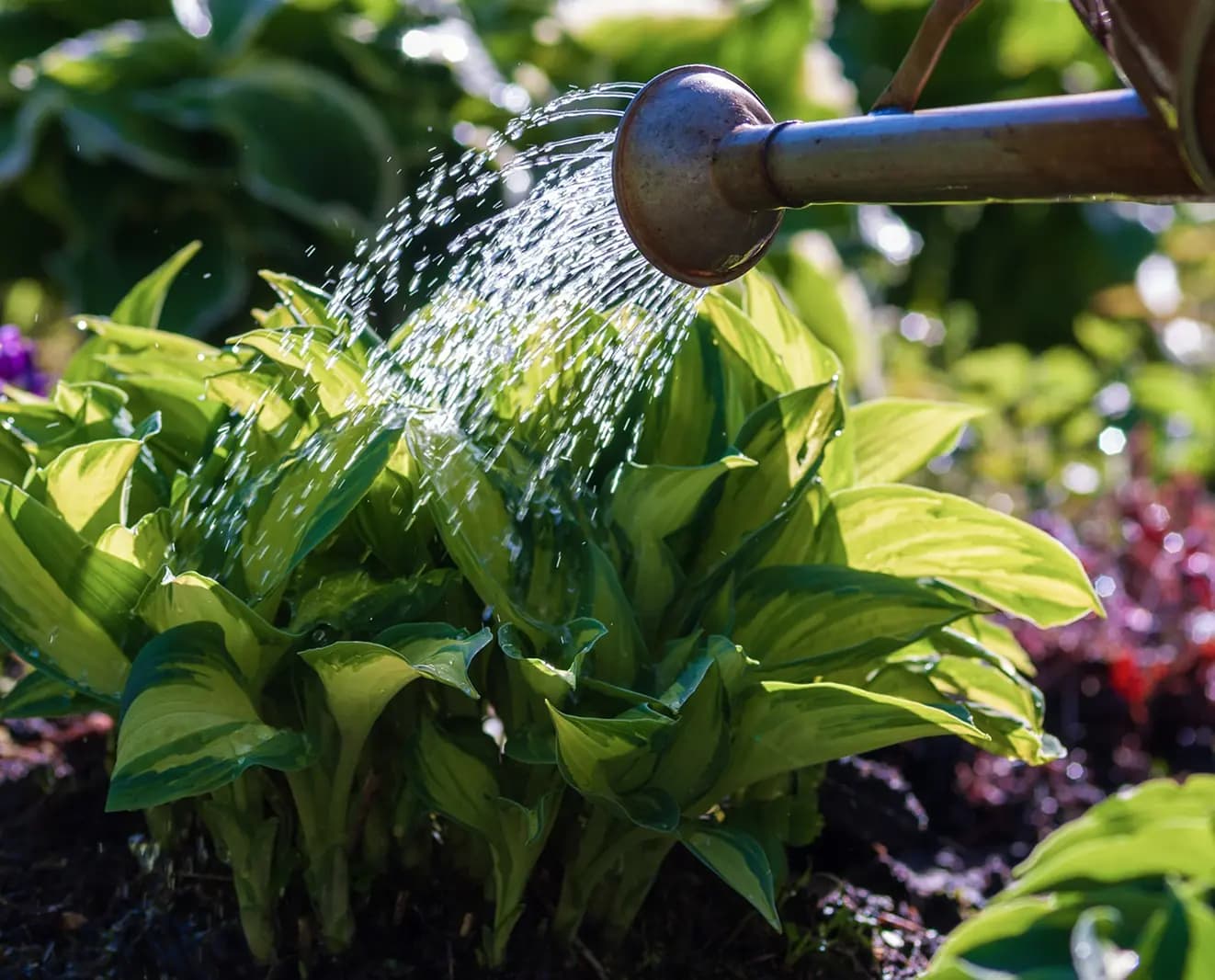
Watering a plant with a copper watering can
Rice Water for Plants – Which Plants Love It and How to Make It

8 min read · 14 Jul 2026

Rice Water for Plants – Which Plants Love It and How to Make It

Rice water can be an ideal DIY solution for orchids, roses, or fruiting plants. It supports growth, leaf count, and height. We’ll share how to make and apply it correctly for your plant.

Plant Care
Rice Water for Plants – Which Plants Love It and How to Make It
20 Most Popular Fruits Around the World

7 min read · 22 Jul 2026

20 Most Popular Fruits Around the World

Curious which fruits the world actually eats the most? Here's the top-20 by production volume, an overview of what people choose in each region, and a few figures that defy common assumptions.

Plant Recommendations
20 Most Popular Fruits Around the World
Best Time to Mow Lawn – A Complete Guide

5 min read · 10 Aug 2026

Best Time to Mow Lawn – A Complete Guide

Explore when to mow your lawn for its health and a pleasant green color. Find out the best time for this task during the summer heat, and follow practical tips for correctly cutting the grass, and learn common mistakes to avoid.

Plant Care
Best Time to Mow Lawn – A Complete Guide