Deep taproot strategy
This species develops a thick, carrot-like taproot that reaches deep moisture reserves, allowing it to survive in dry prairies and sandy road margins where surface soil dries quickly.

This page explains when, how often, and how much to water Asclepias tuberosa for steady, healthy growth.

Water Requirements
Low Water
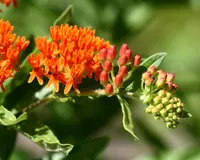
Native to open, often dry North American sites, this plant is adapted to lean, well-drained soils with intermittent moisture. Asclepias tuberosa prefers soil that dries slightly between waterings rather than staying consistently damp.
For garden beds, watering Butterfly weed means occasional, deeper soaking that respects its drought-tolerant nature. In containers, it generally needs somewhat more frequent attention, but still with clear drying periods between sessions to support healthy growth.
Water when the top 1–2 inches (3–5 cm) of soil are completely dry; this drought-tolerant species prefers dry spells between waterings. In containers, this may be about every 7–14 days in warm weather, less in cool seasons. Hot, full-sun outdoor conditions usually shorten the interval.
Water Butterfly weed when the top 2-3 inches of soil feel dry, aiming for slow, deep moisture at the roots.
Incorrect moisture around Asclepias tuberosa often leads to avoidable stress and decline symptoms.
Older foliage turns pale yellow and drops prematurely when roots sit in persistently soggy ground.
Stems flop and leaves droop while soil feels wet, indicating oxygen-starved, declining roots.
Stem base darkens and softens where mulch or soil stays wet against plant tissue.
Flower stalks remain short with few buds when extended drought follows recent transplanting or division.
Maintain fast-draining soil, water deeply but infrequently, and let the root zone dry between soakings.
Inconsistent or unsuitable watering habits weaken Asclepias tuberosa, making butterfly weed less resilient to heat, pests, and disease pressure.
Safer watering for butterfly weed focuses on fast drainage, drying slightly between waterings, and responding to actual soil moisture, not routines.
Watering Check
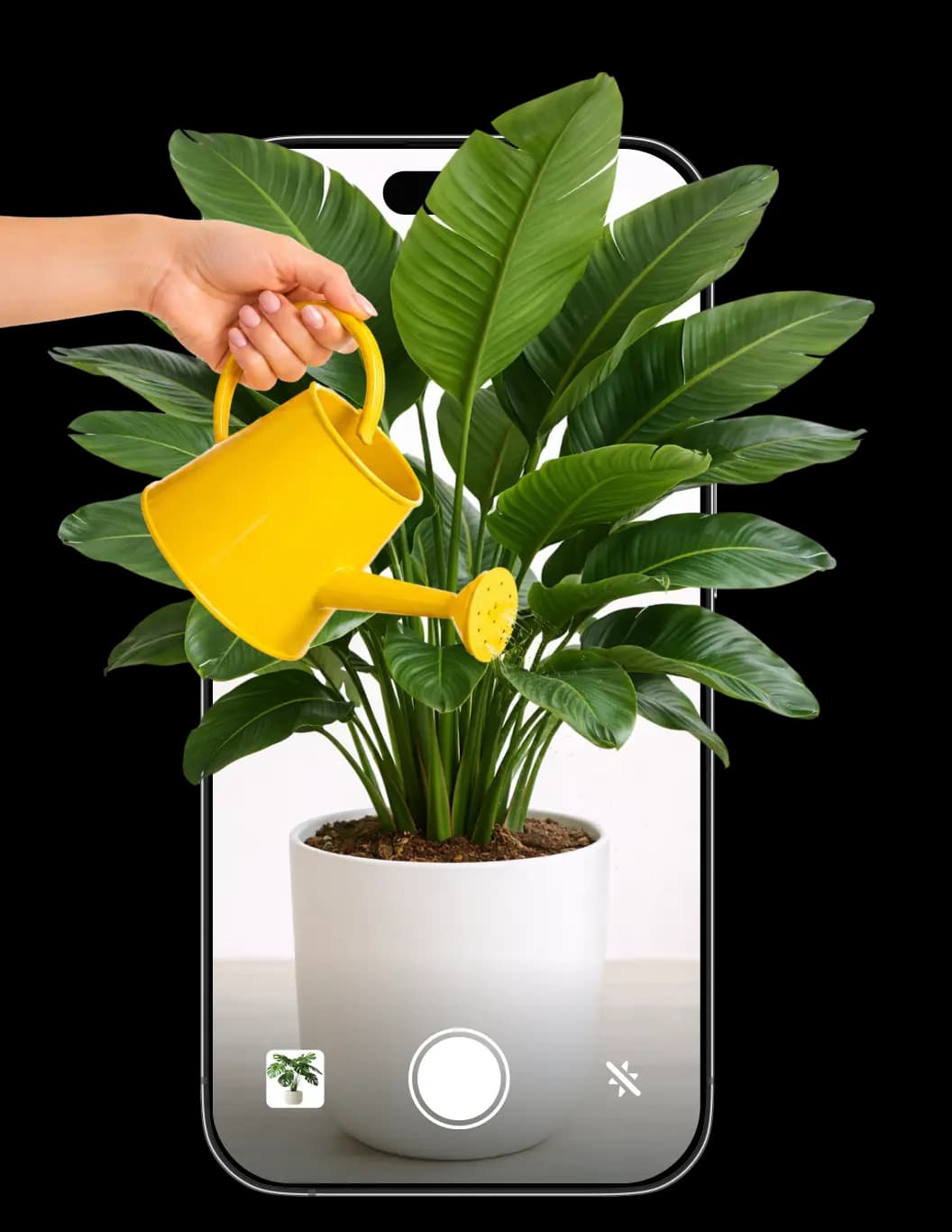
Not sure if your plant needs water? Check its watering needs inside the app.
Use Botan for a simple watering guide and care checklist for Asclepias tuberosa, plus gentle photo-based checks that help flag early signs of stress or other plant issues.
This species develops a thick, carrot-like taproot that reaches deep moisture reserves, allowing it to survive in dry prairies and sandy road margins where surface soil dries quickly.
Field studies note that it is most frequent in dry to dry-mesic prairies, indicating a preference for well-drained soils that are dry to only moderately moist rather than consistently damp.
Botanical surveys report that it is scarce or absent in wetlands and poorly drained sites, reflecting low tolerance of waterlogged or heavy, saturated soils.
Standing water around the pot keeps roots constantly wet and can lead to rot. Empty saucers after watering so the soil can dry between waterings, which better matches this species’ drought-tolerant nature.
Use Botan to review your watering routine and adjust it with confidence.
8 min read · 31 Aug 2026
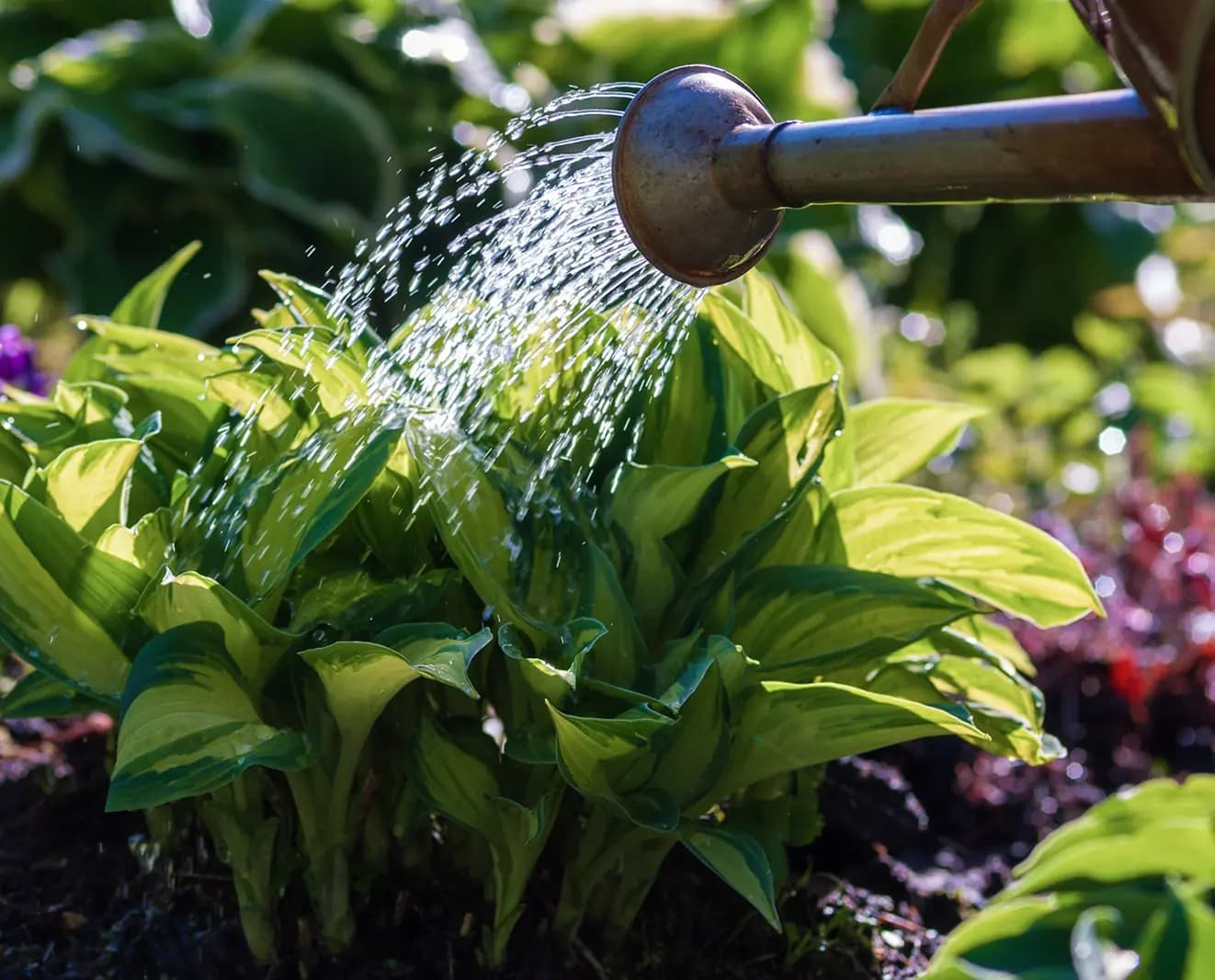
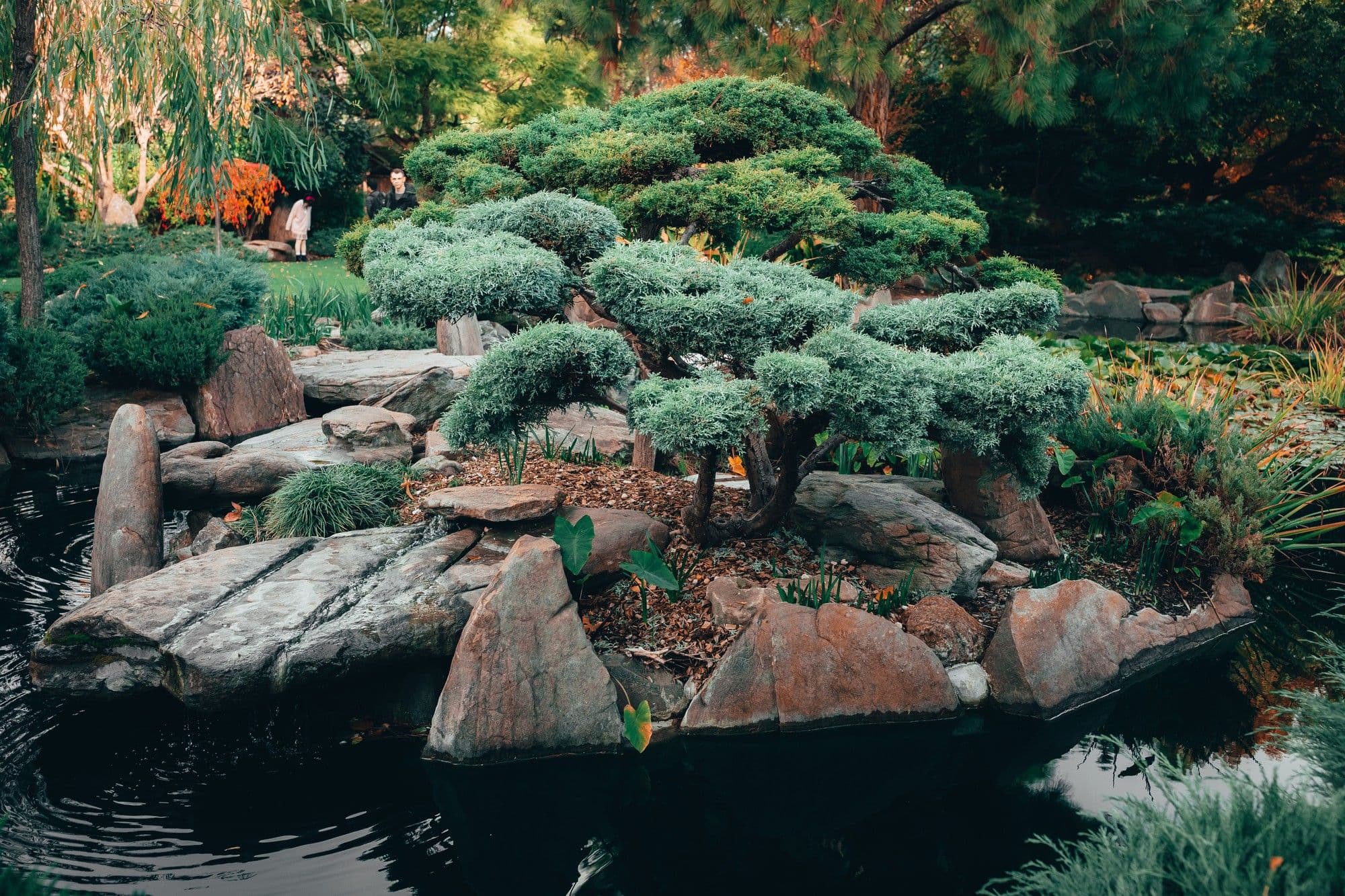
Good plant grouping can mean the difference between a well-planned garden and one that looks sloppy. This guide explores layers, spacing, cluster shapes, and the plants that thrive when you group them.
7 min read · 28 May 2026
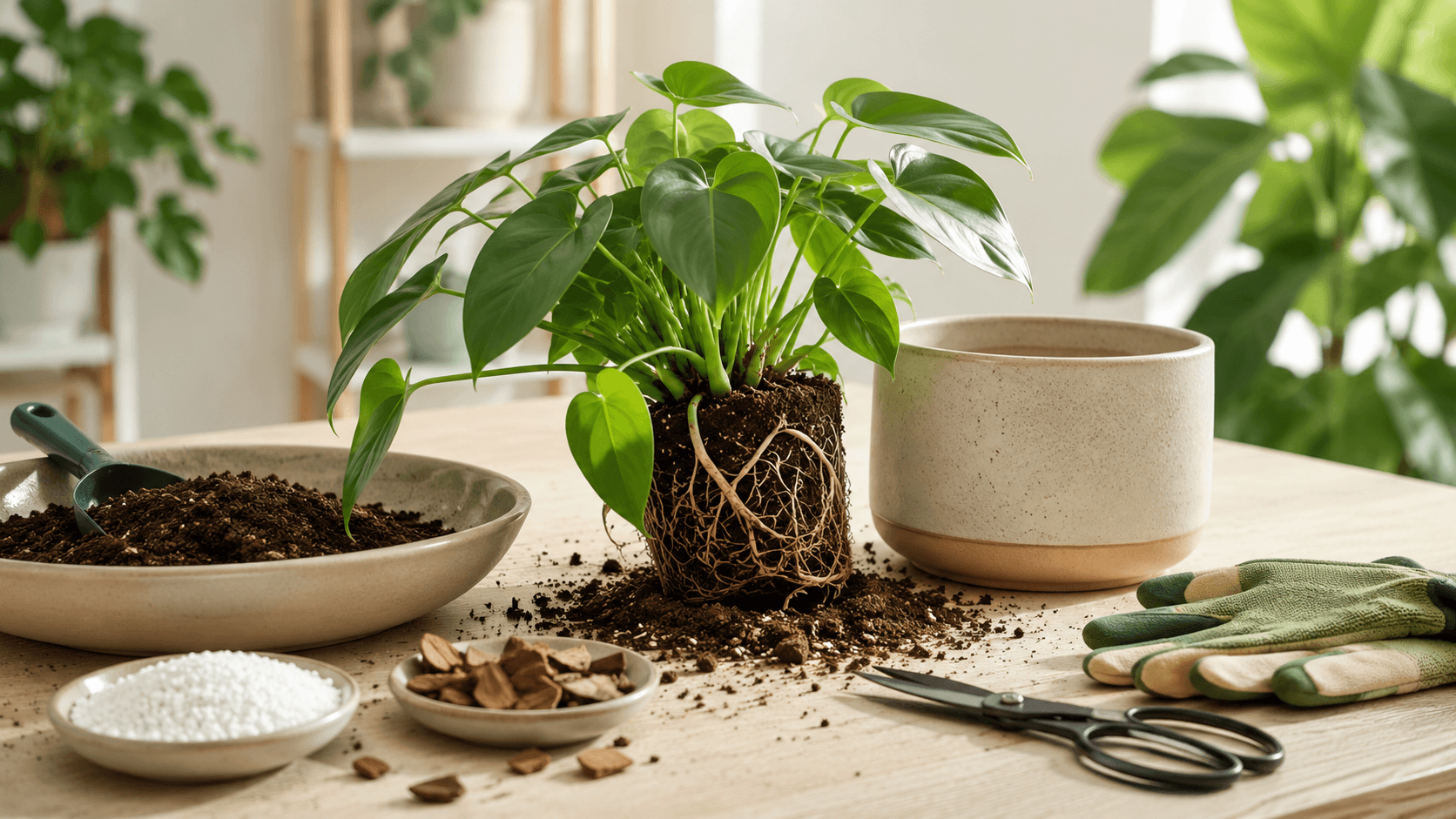
In spring, many plants need repotting—an essential part of care. To avoid stress, consider the plant’s type and size. This article offers a step-by-step guide for repotting indoors or outdoors and shows how to check plant health and get care tips using the Botan app.
12 min read · 7 Aug 2026
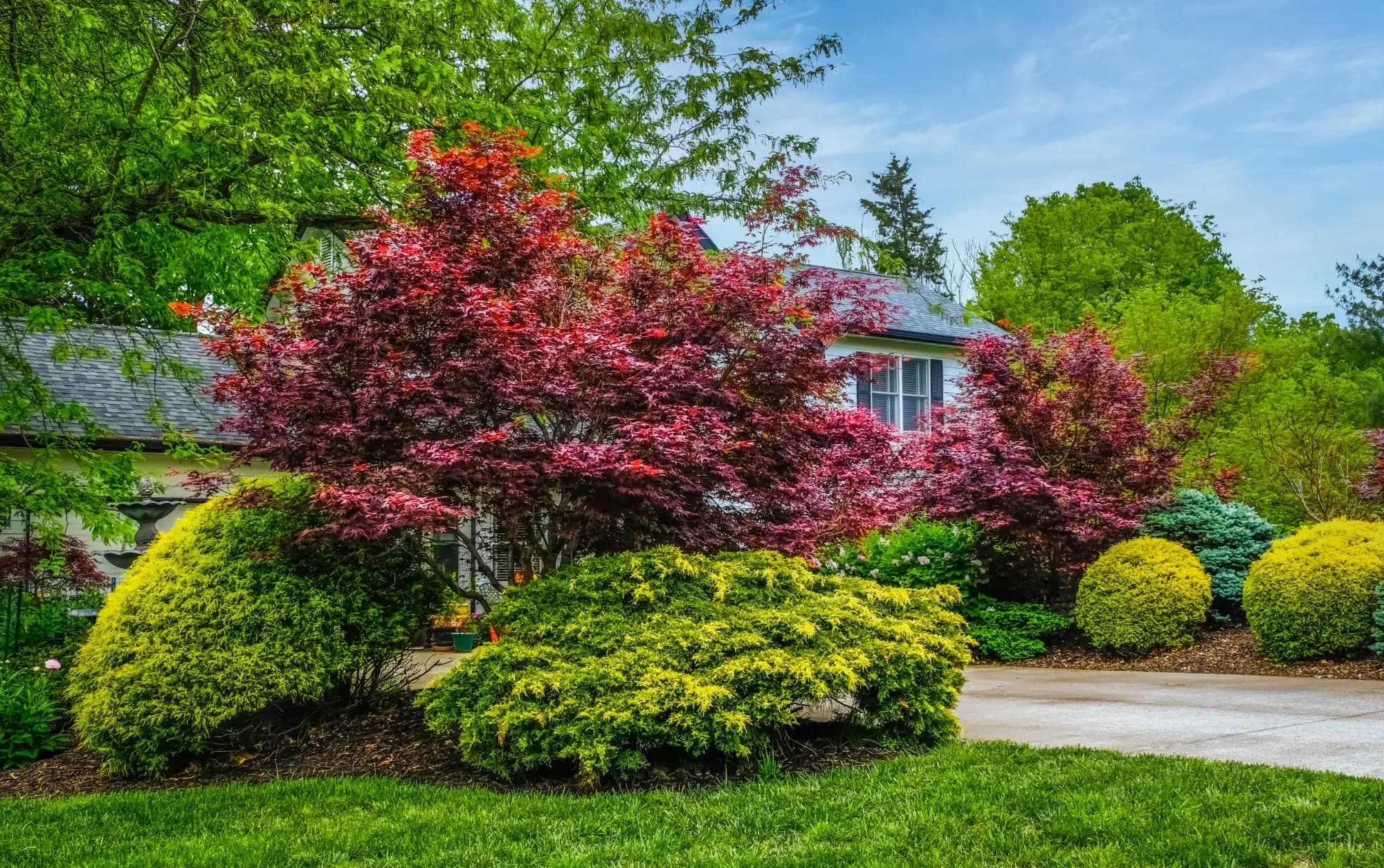
A front yard tree can stay for decades. Therefore, choosing one deserves serious consideration. Here are 13 trees that have proven themselves, sorted by their purpose. You'll also find five species to avoid and basic planting information.