

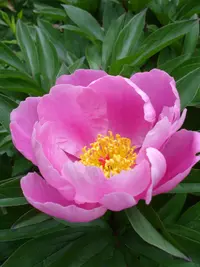
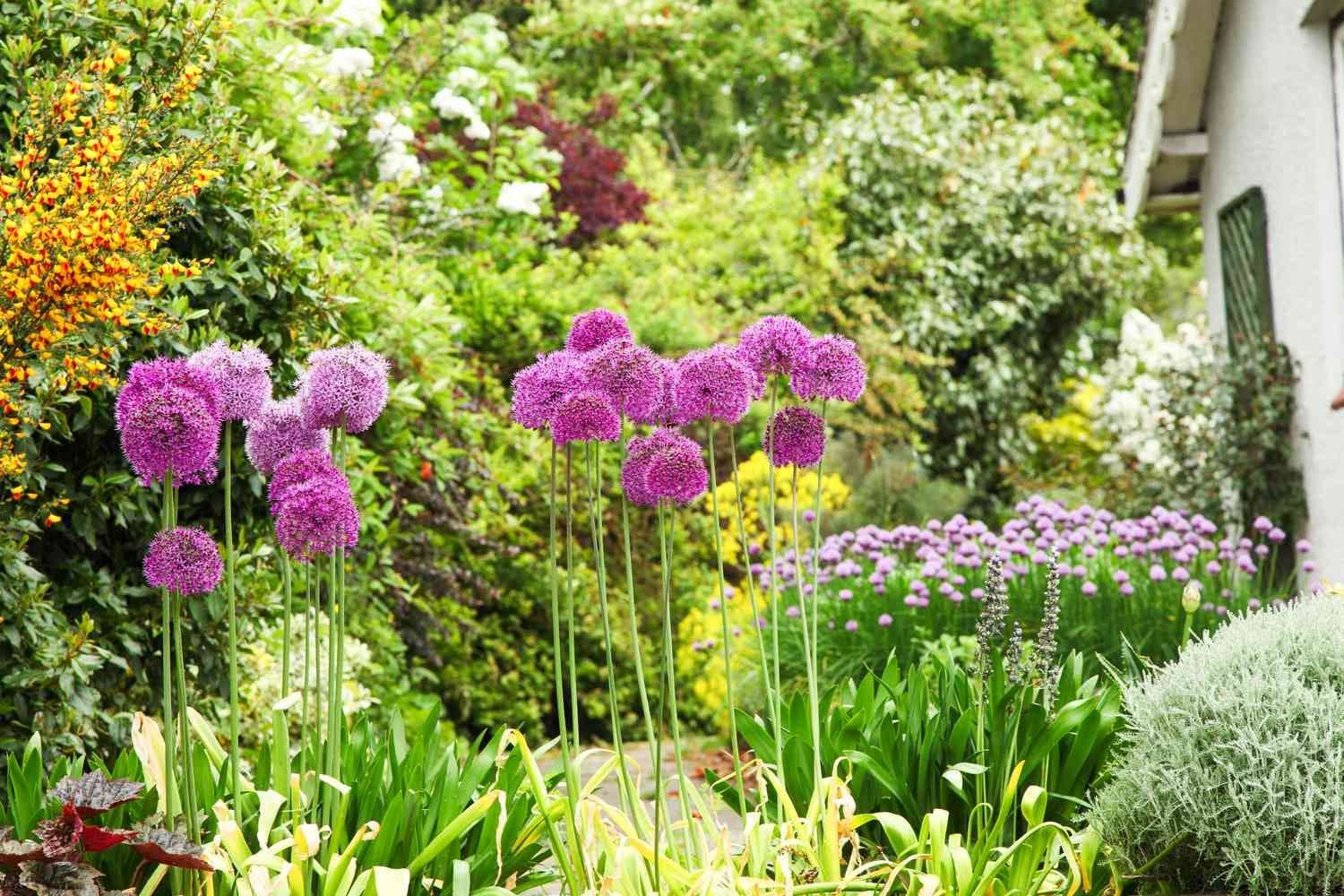
Butterfly weed (Asclepias tuberosa) Light Needs

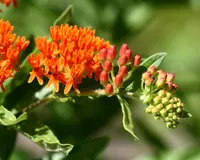
Butterfly weed grows best in full sun, with long, direct exposure through most of the day.

Light Preference

Full Sun

Asclepias tuberosa Light Requirements

In its native range across much of eastern and central North America, this species grows in open prairies, dry fields, roadsides, and sandy or rocky sites. These habitats have little overhead shade and strong seasonal sunlight during active growth.

That background explains why garden plants become sturdier and flower better with direct sun rather than shade. Preferred light is full sun.

  • Ideal exposure:

    Asclepias tuberosa needs about 6–8 hours of total light daily, ideally full sun with at least 6 hours of direct sun.

  • Direct sun:

    Established plants tolerate long direct exposure, including afternoon sun, when they have been grown in bright conditions.

  • Partial sun:

    Part sun can keep the plant alive, but flowering and stem strength are usually reduced compared with full sun.

  • Shade limit:

    Consistent shade is unsuitable and often leads to stretched growth with few blooms.

Too much light is most likely after sudden exposure to harsher sun, not in established full-sun garden sites.

Bleached patches:

Pale tan or whitish areas can appear on leaves facing the strongest afternoon sun after a quick move from shade.

Crisped surfaces:

Exposed leaf areas may dry to a papery texture where sunburn has occurred.

One-sided damage:

Marks are usually worst on the side receiving the harshest direct sun, while shaded leaves look less affected.

Faded blooms:

Flowers may fade faster during intense, unbroken exposure in very hot sites.

Shift the plant to a slightly less harsh exposure or provide temporary light shade during the hottest part of the day. Reintroduce stronger sun over several days.

Weak light is a common reason for poor performance in this full-sun species. The pattern usually appears gradually during active growth.

  • Stretched stems:

    Long, thin stems with weak posture often develop when light is below the plant’s needs.

  • Leaning growth:

    Stems may angle strongly toward the brightest available exposure instead of growing upright.

  • Wide spacing:

    Leaves can appear farther apart along the stems as growth stretches for more light.

  • Few flowers:

    Bud formation may be sparse, delayed, or absent during the normal bloom season.

  • Smaller growth:

    New leaves and stems may stay smaller than expected during active growth.

Move the plant to a more open, sunnier location. Increase exposure gradually if it has been growing in shade.

Choose the sunniest outdoor bed available when full sun is limited, aiming for at least half a day of direct sun. If only partial sun is available, prioritize morning and midday light over late-day shade.

Cut back or relocate nearby shade sources, and place young plants where taller growth will not cover them by midsummer.

Avoid deep shade under structures or dense growth because this setup is unlikely to support sturdy stems or reliable bloom.

Get Personalized Care Plan

Scan your plant to receive care tips personalized for your specific plant

FAQ

Butterfly weed sunlight requirements are best met in full sun, with open exposure for most of the day. It can tolerate partial sun, but shade usually reduces strength and flowering.

Everything About Butterfly weed

More Plant Light Guides

Get the Botan App

Discover how to care for your plants with Botan.

Botan app identifying a plant with a phone camera
Plants That Repel Mosquitoes – 10 Effective Choices

8 min read · 6 Jul 2026

Plants That Repel Mosquitoes – 10 Effective Choices

Plants that repel mosquitoes can help mask human scent naturally and make outdoor spaces more comfortable. Explore the most effective options, their benefits and drawbacks, and choose the right plant for your space.

Plant Recommendations
Plants That Repel Mosquitoes – 10 Effective Choices
Best Bedroom Plants – Top 10 to Grow in Your Space

8 min read · 8 Jul 2026

Best Bedroom Plants – Top 10 to Grow in Your Space

Discover the top 10 houseplants that are suitable for growing in your bedroom. Compare their light and water needs, pet safety, and benefits. Find out where best to place greenery in your relaxation space and what species to avoid.

Plant Recommendations
Best Bedroom Plants – Top 10 to Grow in Your Space
How To Revive a Dying Plant: 6 Steps To Bring A Plant Back To Life

6 min read · 1 Sept 2026

How To Revive a Dying Plant: 6 Steps To Bring A Plant Back To Life

Drooping leaves and brown tips don't always mean the end, and a weakened plant can often recover with a little help. These six simple steps will help you revive a dying plant and restore its health.

Plant Care
How To Revive a Dying Plant: 6 Steps To Bring A Plant Back To Life