


7 min read · 24 Aug 2026
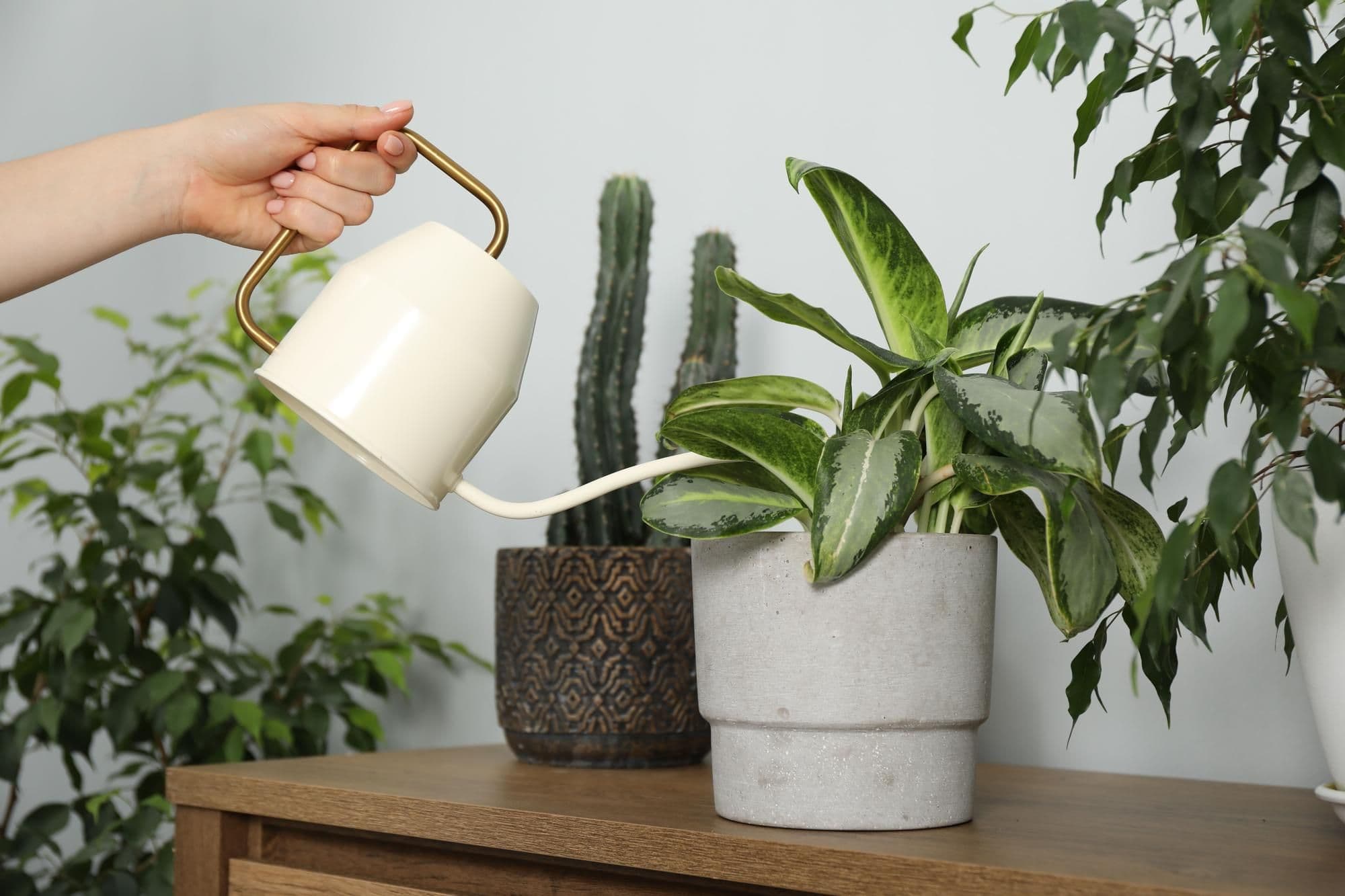
How to Water Houseplants: Watering Guide
Learn how often to water indoor plants, key factors for proper watering, and how to adjust the care routine by plant type, season, pot size, light, and indoor conditions.
Plant Care

Bugleweed grows best in partial shade to partial sun, with gentle direct light and protection from harsh heat.

Light Preference
Partial Shade
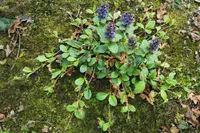
Ajuga reptans is native across much of Europe and parts of western Asia, where it grows in open woodland, meadow edges, banks, and moist grassland. These sites often provide morning or seasonal sun, then filtered light or shade from taller vegetation.
In cultivation, this background explains its flexibility: it can handle sun in cool conditions but performs more evenly with protection from hot afternoon sun. Its preferred light is partial shade.
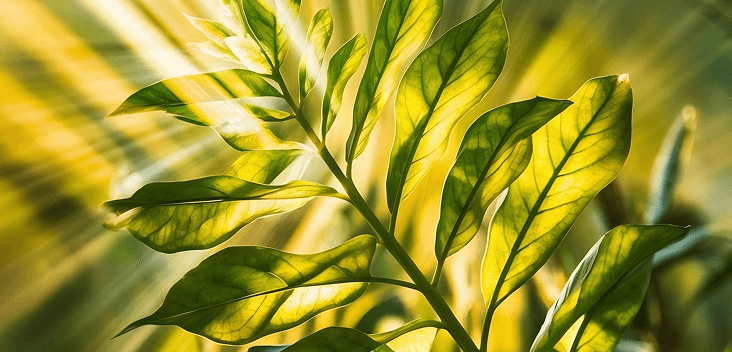
Bugleweed does best with about 4–6 hours of total light daily in partial shade or filtered light, including 2–4 hours of gentle direct morning sun.
Full sun is tolerated in cool conditions, but long, hot afternoon exposure can stress the foliage.
Shade is tolerated, though deep shade often reduces flowering and makes growth thinner.
Morning sun is the safest direct exposure, while afternoon sun should be softened by nearby shade.
Excess light is most likely during hot afternoon sun or sudden exposure.
Leaves in the most exposed areas may develop pale tan or brown spots after harsh sun.
Foliage can look faded or washed out where direct afternoon rays hit for several hours.
Thin exposed leaf margins may dry and crisp when light is paired with heat.
Rosettes may look pressed down or tired during hot bright periods, especially after sudden exposure.
Shift Ajuga reptans into afternoon shade or add light filtering during the hottest part of the day. Make the change promptly, but avoid moving it into deep shade all at once.
Too little light usually shows as weak, open growth rather than immediate leaf damage.
Stems may stretch farther between leaf clusters as the plant reaches toward brighter conditions.
Growth may look open instead of forming a dense, even groundcover.
Spring flower spikes may be reduced when shade is too deep.
New leaves may stay smaller and develop more slowly during the active growing season.
Move Ajuga reptans to brighter shade or a site with gentle morning sun. Avoid shifting it suddenly from deep shade into hot direct sun.
Choose a spot with morning sun and afternoon shade when ideal partial shade is not available. Use filtered light under open, high shade as the next best compromise.
Trim or reposition nearby cover if the patch becomes too dark and flowering declines. Select the brightest shaded area rather than a dense, enclosed corner.
Avoid a heat-reflective site beside pavement or walls, because strong afternoon glare can stress exposed leaves.
Light Check
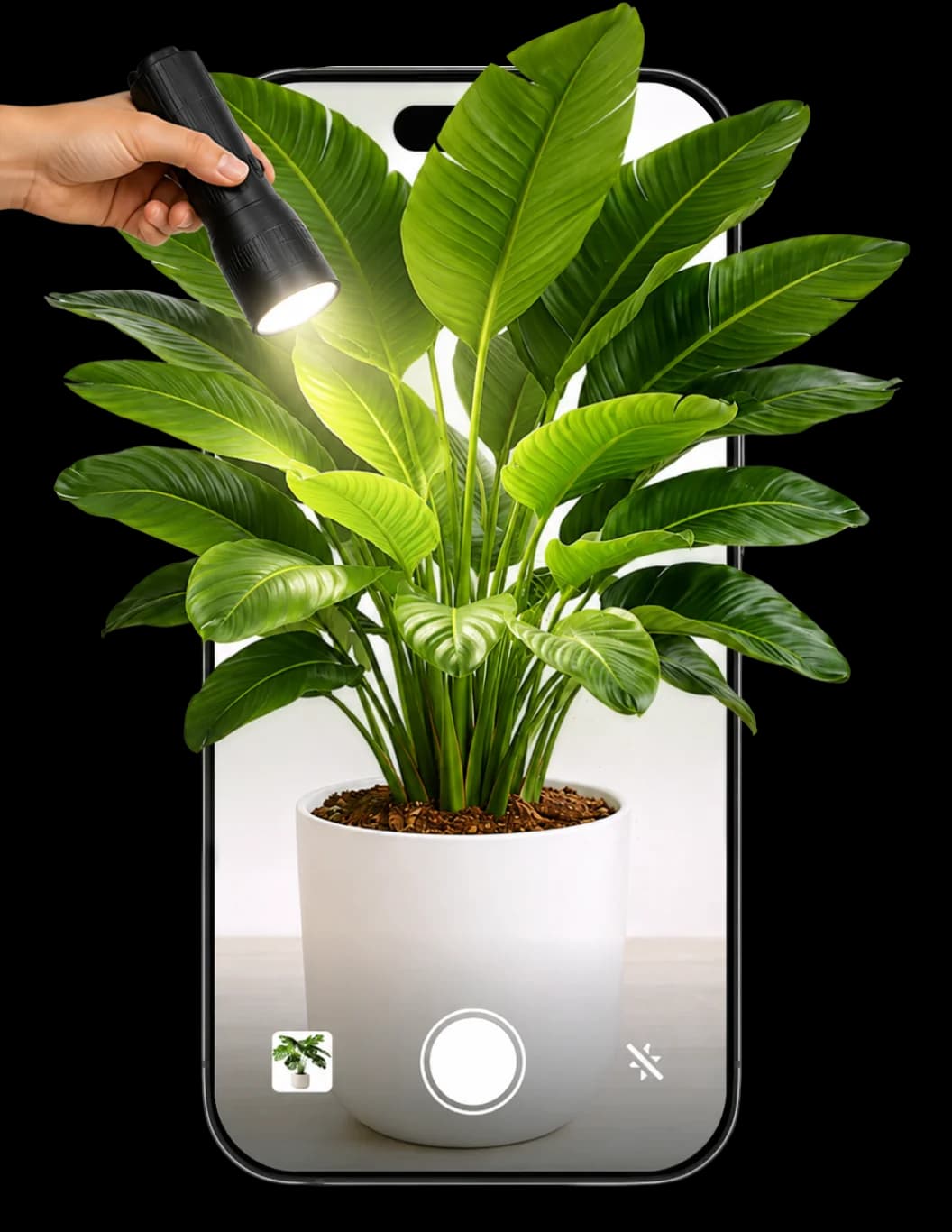
Not sure if your plant is getting enough light? Check its light needs inside the app
Scan your plant to receive care tips personalized for your specific plant
Bugleweed light requirements are best met with partial shade to partial sun. The species usually performs well with gentle morning sun, filtered light, and protection from the hottest afternoon exposure.
Discover how to care for your plants with Botan.
7 min read · 24 Aug 2026
Learn how often to water indoor plants, key factors for proper watering, and how to adjust the care routine by plant type, season, pot size, light, and indoor conditions.
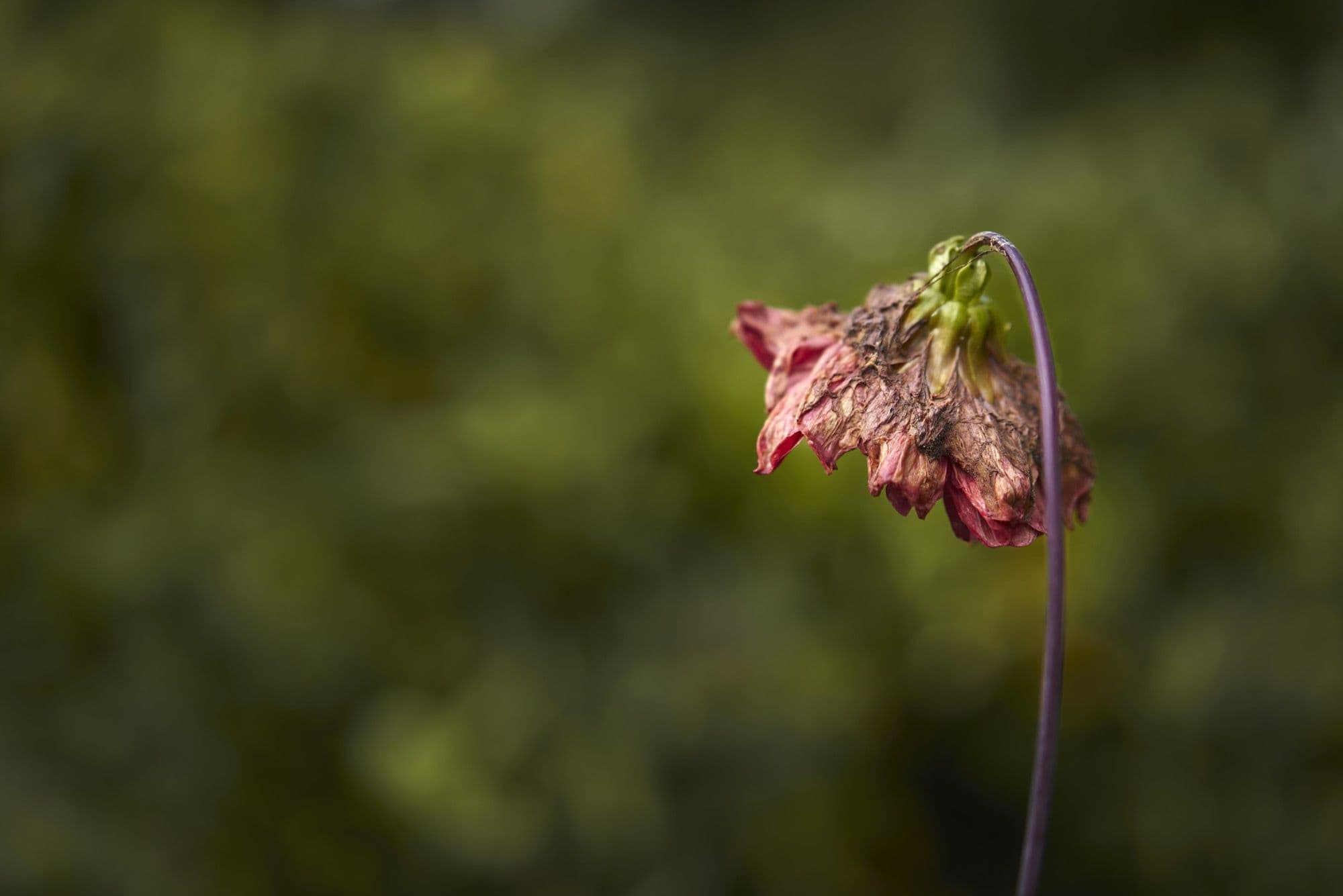
6 min read · 1 Sept 2026
Drooping leaves and brown tips don't always mean the end, and a weakened plant can often recover with a little help. These six simple steps will help you revive a dying plant and restore its health.
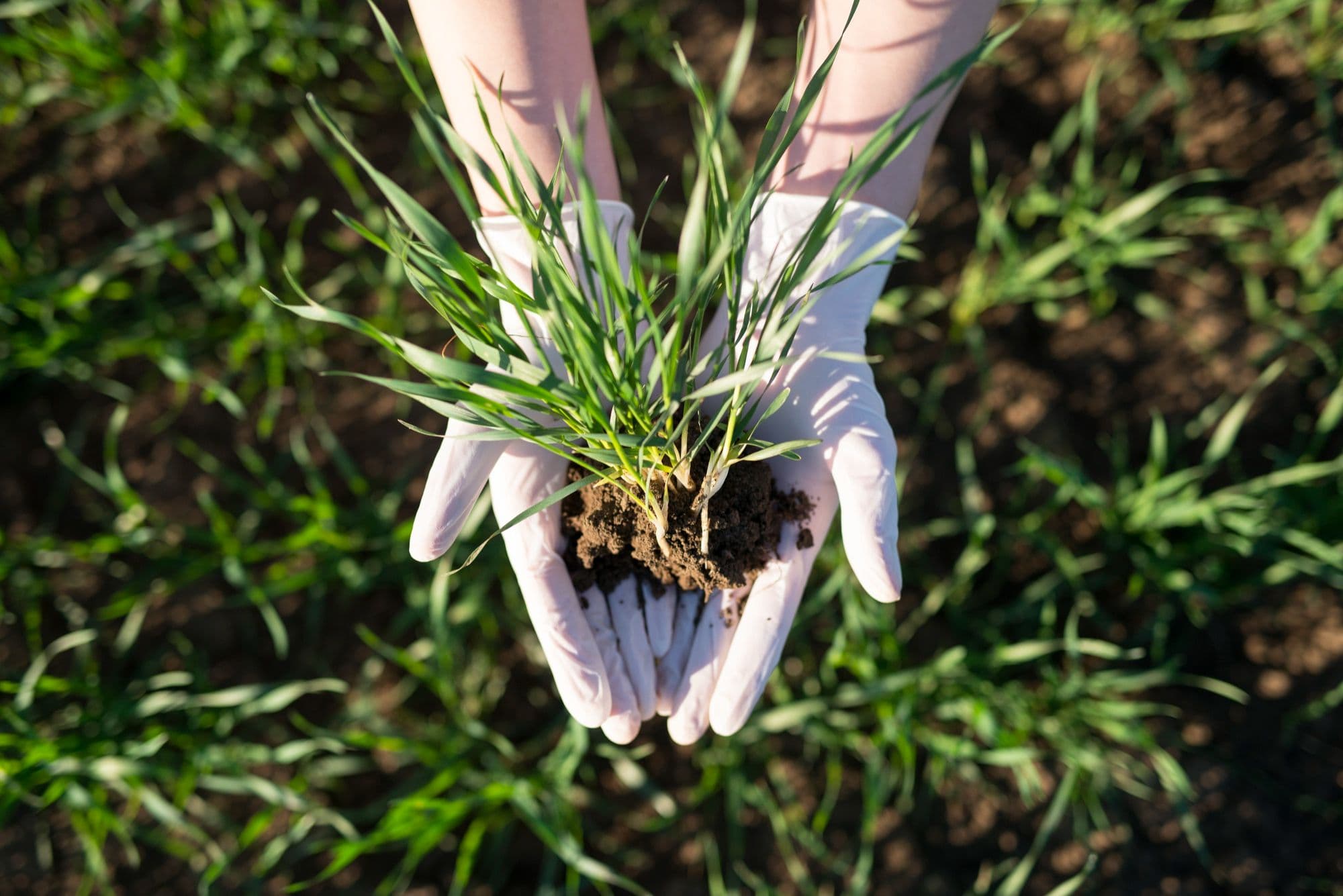
7 min read · 6 Aug 2026
Summer seeding succeeds when the grass type suits the season, and the soil stays moist. Find out how to prepare the seedbed and choose a safe window for planting.