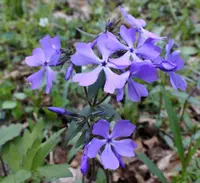


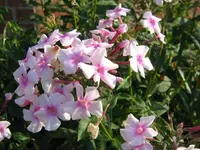
wild blue phlox (Phlox divaricata) Light Needs

Wild blue phlox grows best in partial shade with filtered light and some gentle morning sun.

Light Preference

Partial Shade

Phlox divaricata Light Requirements

Wild blue phlox is native to eastern North America, where it grows in rich deciduous woods, woodland edges, and lightly shaded slopes. In these places, it often receives brighter spring light before tree canopies fill in, then filtered shade through the warmer part of the season.

This pattern explains why garden plants handle gentle sun but decline in hot, exposed sites. Preferred light is partial shade.

  • Ideal exposure:

    Wild blue phlox needs about 4–6 hours of bright filtered light daily, including 1–3 hours of gentle direct morning sun when available.

  • Direct sun:

    Morning sun is usually tolerated, but hot afternoon sun can scorch foliage and shorten bloom.

  • Shade tolerance:

    Light shade is acceptable, especially under high canopies, but deep shade often reduces flowering.

  • Seasonal pattern:

    Brighter spring exposure is useful before nearby trees leaf out, followed by protection in summer heat.

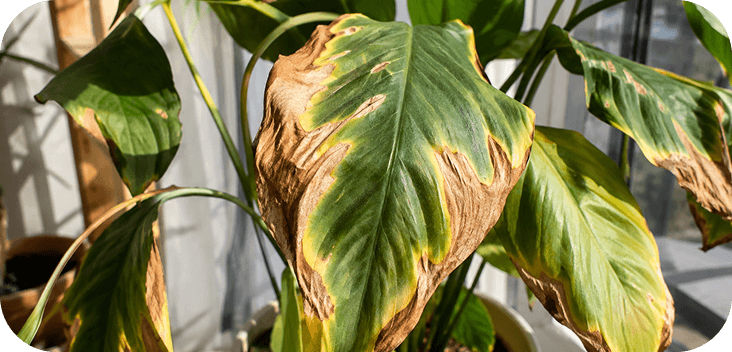
Excess light usually appears after hot afternoon sun or sudden exposure in late spring or summer garden conditions.

Bleached leaves:

Leaves may look pale or washed out on the sun-facing side rather than evenly green.

Crisped spots:

Thin leaves can develop dry tan patches where direct sun hits hardest.

Wilting in sun:

Stems may flag during bright afternoon light even when temperatures are moderate.

Shorter bloom:

Flowers may fade faster in exposed sites with strong midday and afternoon sun.

Move the plant to dappled shade or a site with morning sun only. If it was recently moved, increase light more gradually.

Too little light is most noticeable during active spring growth and flowering.

  • Stretched stems:

    Stems may elongate and look loose as they reach toward brighter areas.

  • Leaning growth:

    New shoots can angle strongly toward the open side of a shaded bed.

  • Open spacing:

    Leaves may sit farther apart along the stem when light is consistently weak.

  • Fewer flowers:

    Bud set may be sparse, and bloom can be lighter than expected.

  • Small new leaves:

    New foliage may stay smaller when shade is dense for much of the day.

Shift the plant to brighter filtered light or a spot with gentle morning sun. Avoid moving it straight into hot afternoon exposure.

Choose a site with morning sun and afternoon shade when ideal woodland-filtered light is not available.

Thin nearby overgrowth lightly or place the plant near the bright edge of a shaded bed to increase spring light without exposing it to harsh heat.

Avoid open, all-day sun in hot climates because the foliage and flowers are likely to stress before roots can compensate.

Get Personalized Care Plan

Scan your plant to receive care tips personalized for your specific plant

FAQ

Wild blue phlox light requirements are best met with partial shade, filtered light, or bright open shade. A little morning sun supports flowering, but hot afternoon exposure is usually too strong.

More Plant Light Guides

Get the Botan App

Discover how to care for your plants with Botan.

Botan app identifying a plant with a phone camera
What Plants Don't Like Epsom Salt?

11 min read · 29 Jul 2026

What Plants Don't Like Epsom Salt?

Learn which plants can be seriously damaged by Epsom salt and which will thrive on it. We’ll explain when and how to use it properly, provide tips for indoor & outdoor plants — read on and enjoy a healthy garden.

Plant Care
What Plants Don't Like Epsom Salt?
How to Repot a Plant: A Step-by-Step Guide

7 min read · 28 May 2026

How to Repot a Plant: A Step-by-Step Guide

In spring, many plants need repotting—an essential part of care. To avoid stress, consider the plant’s type and size. This article offers a step-by-step guide for repotting indoors or outdoors and shows how to check plant health and get care tips using the Botan app.

Plant Care
How to Repot a Plant: A Step-by-Step Guide
How Long Can Flowers Go Without Water? Everything You Need to Know

6 min read · 10 Jul 2026

How Long Can Flowers Go Without Water? Everything You Need to Know

Flowers can survive without water anywhere from 1-2 hours to several months, depending on the plant type, species, and growing conditions. Some strong-looking flowers are drought-sensitive, while delicate-looking plants may tolerate long dry periods surprisingly well.

Plant Care
How Long Can Flowers Go Without Water? Everything You Need to Know