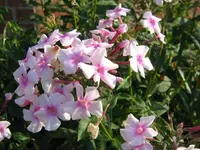


Garden phlox (Phlox paniculata) Light Needs

Garden phlox grows best in full sun, with at least 6 hours of direct light daily.

Light Preference

Full Sun

Phlox paniculata Light Requirements

Phlox paniculata is native to eastern North America, where it grows in open woods, thickets, meadow edges, and streamside clearings. These sites can receive strong summer sun, especially where vegetation is open, with some filtered light near woodland margins. In gardens, that background explains its strong flowering in bright, open exposures and its tolerance of partial sun. Preferred light is full sun.

  • Ideal exposure:

    Garden phlox needs about 6–8 hours of full sun daily, with 6 or more hours as direct sun for strongest flowering.

  • Partial sun:

    It can tolerate 4–6 hours of direct sun, but flowering may be lighter and stems may stretch.

  • Afternoon heat:

    In hot climates, morning sun with light afternoon shade can reduce leaf scorch and flower fading.

  • Deep shade:

    Shade is not suitable because growth weakens and bloom production drops.

Full sun is tolerated, but harsh heat can still cause stress.

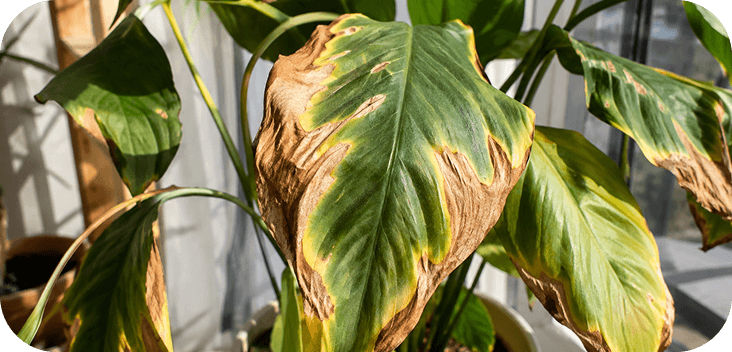
Scorched patches:

Leaves facing the hottest sun may develop dry tan or pale areas, especially after sudden exposure.

Faded blooms:

Flowers may lose color faster when exposed to strong afternoon sun during hot weather.

Midday wilting:

Foliage may droop in intense heat and sun, even when it looks better later in the day.

Crisp upper leaves:

The highest leaves may look dry or brittle where sun and heat are most concentrated.

Shift the plant to morning sun with light afternoon shade, or add temporary shade during extreme heat. Increase brighter exposure gradually after moving or transplanting.

Phlox paniculata shows low-light stress mainly through weak structure and poor bloom performance.

  • Stretched stems:

    Stems may become taller, thinner, and less sturdy as the plant reaches for stronger light.

  • Leaning growth:

    Shoots may angle toward the brightest side instead of growing evenly upright.

  • Fewer flowers:

    Bud formation and flower clusters are often reduced when direct sun is too limited.

  • Smaller new leaves:

    New growth may look smaller or weaker during the active growing season.

Move or transplant it to a brighter site with more direct sun, preferably in stages if the change is large. Avoid deep shade for long-term growth.

If full sun is not available, choose the site with 4–6 hours of direct morning or early-day sun instead of all-day shade. This is the best compromise for flowering.

Improve exposure by trimming nearby overhanging growth or moving containers into a more open position before buds form.

Avoid dense shade beside a wall or fence because weak light encourages leaning stems and fewer blooms.

Get Personalized Care Plan

Scan your plant to receive care tips personalized for your specific plant

FAQ

Garden phlox light requirements are full sun, meaning at least 6 hours of direct sun daily. Partial sun is tolerated, but flowering is usually reduced.

More Plant Light Guides

Get the Botan App

Discover how to care for your plants with Botan.

Botan app identifying a plant with a phone camera
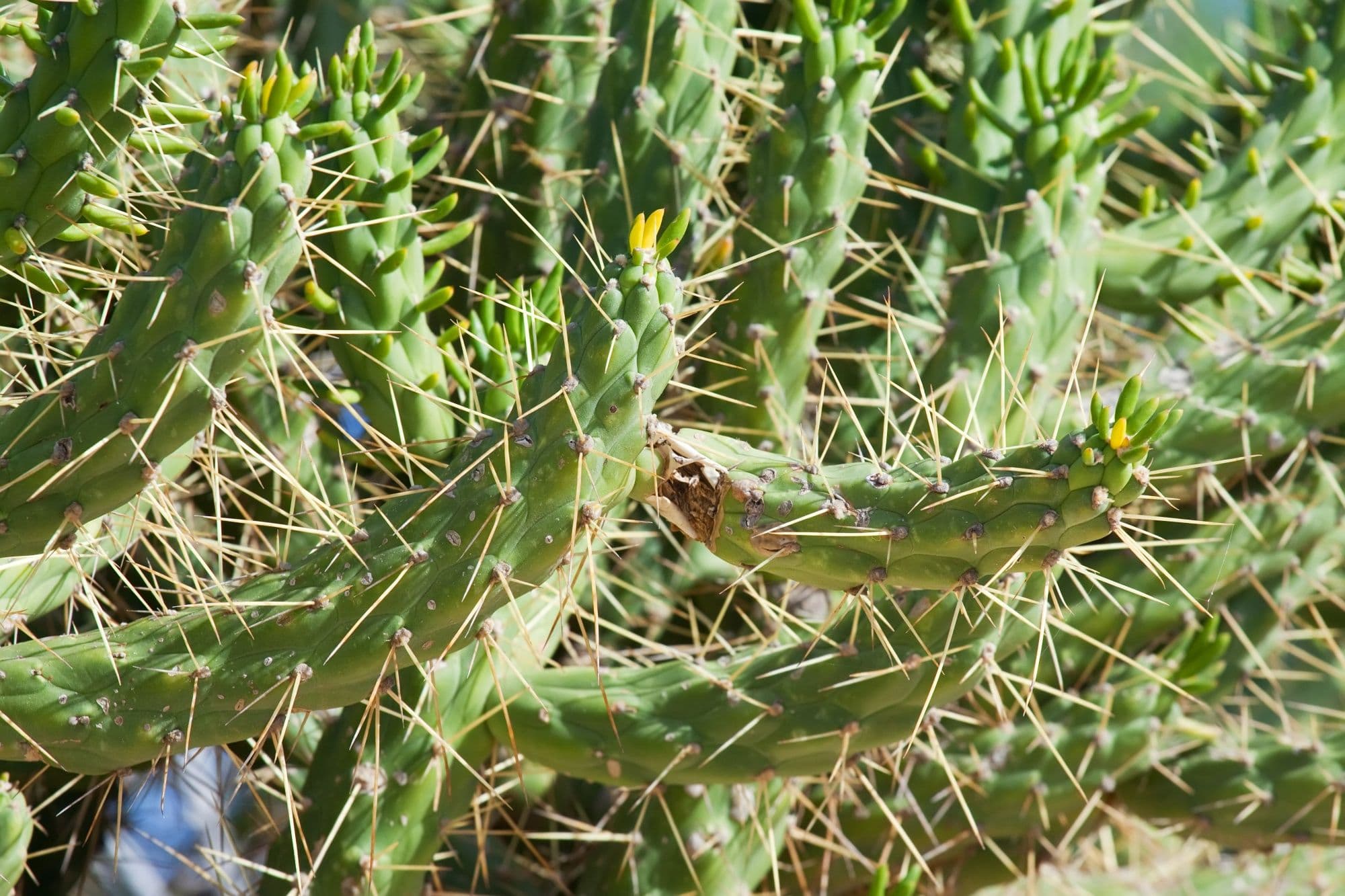
Thorny Plants: A Comprehensive Guide

10 min read · 25 Aug 2026

Thorny Plants: A Comprehensive Guide

Many plants defend themselves with sharp thorns. This guide explores over 20 examples among flowers, shrubs, trees, and vines. You'll learn what each plant looks like, why it grows thorns, and how to quickly identify them.

Plant Recommendations
Thorny Plants: A Comprehensive Guide
How Fast Does Bamboo Grow Per Day, Month, and Year

10 min read · 7 Jul 2026

How Fast Does Bamboo Grow Per Day, Month, and Year

Bamboo grows extremely fast: some species can reach 5-6 m in just 3-4 months under the right conditions. This guide explains how much bamboo can grow per day, week, and year, and what affects its growth rate.

Plant Recommendations
How Fast Does Bamboo Grow Per Day, Month, and Year
How to Repot a Plant: A Step-by-Step Guide

7 min read · 28 May 2026

How to Repot a Plant: A Step-by-Step Guide

In spring, many plants need repotting—an essential part of care. To avoid stress, consider the plant’s type and size. This article offers a step-by-step guide for repotting indoors or outdoors and shows how to check plant health and get care tips using the Botan app.

Plant Care
How to Repot a Plant: A Step-by-Step Guide