


Wallflower (Erysimum × cheiri) Light Needs

Wallflower grows best in full sun, with 6–8 hours of bright outdoor light each day.

Light Preference

Full Sun

Erysimum × cheiri Light Requirements

Wallflower is most at home in open, exposed places such as old walls, rocky banks, and other sunny, free-draining sites. These habitats receive strong seasonal light rather than deep shade, often with cool spring sun and brighter summer exposure.

That background explains why cultivated plants stay compact and flower best when light is direct for much of the day. Preferred light is full sun.

  • Ideal exposure:

    Wallflower needs about 6–8 hours of full sun daily, including at least 4–6 hours of direct sun.

  • Direct sun:

    Mature plants tolerate full sun well, especially in cool spring conditions and mild summer climates.

  • Afternoon heat:

    In very hot areas, light afternoon shade can reduce scorching without putting the plant in shade all day.

  • Partial sun:

    It can grow with 4–6 hours of sun, but flowering is usually lighter and stems may stretch.

Full sun suits this species, but abrupt or extreme exposure can still cause stress.

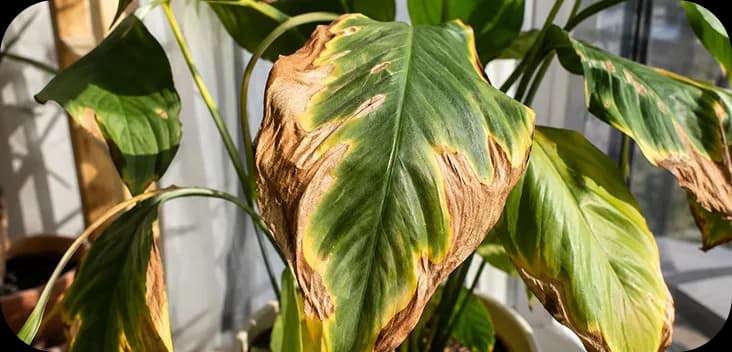
Bleached patches:

Leaves may develop pale tan areas on the sun-facing side after sudden exposure to stronger sun.

Scorched flowers:

Petal edges can dry or fade quickly during hot afternoon sun and reflected heat.

Tight, dull foliage:

New growth may look smaller and less fresh when intense light is paired with high heat.

One-sided damage:

Symptoms often appear on the side facing the strongest sun, while shaded growth looks healthier.

Move the plant into full morning sun or a site with light afternoon shade. If it was recently moved, increase direct sun over several days instead of changing exposure all at once.

Shade is usually the bigger light problem for this plant. Low light weakens growth and reduces bloom.

  • Stretched stems:

    Stems may grow longer and looser as they reach toward brighter conditions.

  • Fewer flowers:

    Bud production often drops when the plant receives less than half a day of sun.

  • Leaning growth:

    The whole plant may angle toward the brightest side instead of staying upright and even.

  • Small new leaves:

    Fresh growth can be smaller and softer during the active season.

Move it to a sunnier outdoor position with 4–6 hours of direct sun at minimum. A gradual shift helps reduce stress if the new spot is much brighter.

If full sun is not available, choose the brightest outdoor spot that gives at least 4–6 hours of direct sun. Morning sun with light afternoon shade is a good compromise in hot climates.

Turn containers weekly so stems do not lean strongly toward the sun, and move nearby objects that cast midday shade.

Avoid deep shade under dense structures, because it usually leads to weak growth and fewer flowers.

Get Personalized Care Plan

Scan your plant to receive care tips personalized for your specific plant

FAQ

Wallflower sunlight requirements are best met with full sun, about 6–8 hours of bright outdoor light daily, including several hours of direct sun for compact growth and reliable flowering.

More Plant Light Guides

Get the Botan App

Discover how to care for your plants with Botan.

Botan app identifying a plant with a phone camera
How to Plant Pumpkin Seeds for a Fall Harvest and Grow Your Own Patch

7 min read · 4 Nov 2026

How to Plant Pumpkin Seeds for a Fall Harvest and Grow Your Own Patch

A backyard pumpkin patch starts months before the first leaves turn: the harvest that ends up on the porch in October is decided by what a gardener does in late spring.

Beginner Guides
How to Plant Pumpkin Seeds for a Fall Harvest and Grow Your Own Patch
12 Best Plants That Repel Spiders For Your Home and Garden

8 min read · 24 Jul 2026

12 Best Plants That Repel Spiders For Your Home and Garden

Spiders constantly appear in places you don't want them. A few common plants can help repel them using scent alone. Here are 12 options suitable for both indoors and outdoors, plus care tips for each.

Plant Recommendations
12 Best Plants That Repel Spiders For Your Home and Garden
When to Harvest Tomatillos: How to Tell When They're Ripe

4 min read · 20 Oct 2026

When to Harvest Tomatillos: How to Tell When They're Ripe

Tomatillos grow inside papery husks, making it hard to judge ripeness at a glance. This guide explains how to know when tomatillos are ripe and offers practical advice on harvesting and storage.

Plant Recommendations
When to Harvest Tomatillos: How to Tell When They're Ripe