

Chinese peony (Paeonia lactiflora) Light Needs

Chinese peony grows best in full sun, with at least 6 hours of direct light during active growth.

Light Preference

Full Sun

Paeonia lactiflora Light Requirements

In its native range in temperate Asia, it naturally grows in open meadows, grassy slopes, and woodland margins where plants receive strong seasonal sun during active growth. Some sites have light afternoon shade, but dense shade is not typical of good flowering habitat.

In cultivation, those conditions translate to open garden exposure with several hours of direct sun and bright sky overhead. It prefers full sun.

  • Ideal exposure:

    Chinese peony needs about 6–8 hours of light daily in full sun, including at least 6 hours of direct sun.

  • Full sun tolerance:

    Established plants usually tolerate all-day sun in mild or moderate summer climates when exposure increases naturally through spring.

  • Afternoon heat:

    In very hot regions, light afternoon shade can reduce leaf scorch without sacrificing morning sun.

  • Lower light limit:

    Partial sun is tolerated, but fewer than 4–5 hours of direct sun often means weaker stems and fewer flowers.

Strong sun is usually welcome, but heat and sudden exposure can still cause stress.

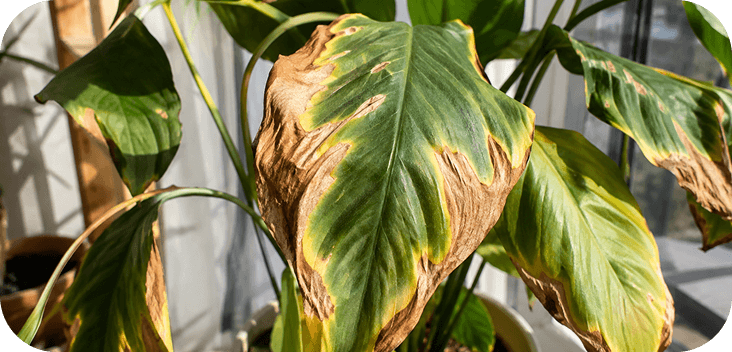
Bleached patches:

Pale tan areas may appear on leaves that were moved abruptly from shade into direct sun.

Crisp upper leaves:

Sun-facing leaves can dry to papery brown patches during intense afternoon heat.

Faded blooms:

Flowers may fade quickly or look scorched when exposed to long, hot afternoon sun.

Limp midday growth:

Stems and leaves may droop during peak heat, then recover as light softens.

Shift the plant where it gets morning sun and light afternoon shade, or use nearby open shade during heat waves. Avoid moving Paeonia lactiflora from shade to full sun in one step.

Low light mainly affects strength and flowering. The plant may stay alive, but performance usually declines.

  • Few flower buds:

    Plants in shade often produce fewer buds, or buds may stay small.

  • Leaning stems:

    New growth may angle strongly toward the brightest side of the planting area.

  • Wide spacing:

    Stems can stretch with longer gaps between leaves when sun is limited.

  • Weak flower stems:

    Flower stems may be thinner and more likely to bend under normal bloom weight.

  • Small new growth:

    Active-season shoots may remain shorter and less vigorous than expected.

Move it to a sunnier garden position with at least 6 hours of direct sun. Make the change during mild weather when possible.

If full-day sun is not available, choose a site with strong morning sun and open sky for the rest of the day. Treat afternoon shade as a heat-management compromise, not a shade placement.

Remove nearby obstructions where possible, and place supports or structures so they do not cast midday shade over the crown.

Avoid deep shade along walls or fences, because it usually reduces bud formation and weakens stems.

Get Personalized Care Plan

Scan your plant to receive care tips personalized for your specific plant

FAQ

For Chinese peony sunlight requirements, aim for 6–8 hours of sun daily during active growth, with at least 6 hours of direct sun for strong flowering.

More Plant Light Guides

Get the Botan App

Discover how to care for your plants with Botan.

Botan app identifying a plant with a phone camera
Is Sugar Water Good for Plants?

4 min read · 14 Sept 2026

Is Sugar Water Good for Plants?

Sugar water may sound like an easy boost, but most rooted plants do not need extra sucrose. This guide explains how green tissues produce carbohydrates, when a sweetened solution can be useful, and why too much can cause problems.

Plant Care
Is Sugar Water Good for Plants?
Top 5 Best Indoor Plants for Air Quality

5 min read · 11 Sept 2026

Top 5 Best Indoor Plants for Air Quality

Indoor plants can make a room feel fresher thanks to their air-purifying qualities. Here are 5 of the most suitable choices for your routine and living space.

Plant Recommendations
Top 5 Best Indoor Plants for Air Quality
Plants That Repel Bugs – 20 Effective Options

12 min read · 16 Jul 2026

Plants That Repel Bugs – 20 Effective Options

Mosquitoes on the patio? Gnats in the kitchen? Some plants keep them away with the scent of their own leaves. Here are 20 that deal with mosquitoes, flies, aphids, and more, plus where to put them so they help.

Plant Recommendations
Plants That Repel Bugs – 20 Effective Options