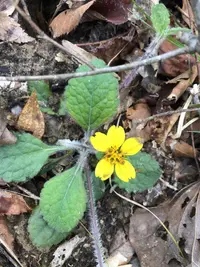


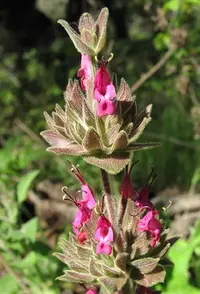


Golden Star (Chrysogonum virginianum var. australe) Light Needs

Golden Star grows best in partial shade with bright filtered light and a few hours of gentle sun.

Light Preference

Partial Shade

Chrysogonum virginianum var. australe Light Requirements

Golden Star naturally grows along open woodland edges, shaded slopes, and moist clearings where sunlight is broken by overhead cover. It may receive brighter sun in spring before the canopy fills in, then more filtered light through summer.

This pattern explains why cultivated plants can handle sun or shade but perform most evenly when protected from harsh afternoon exposure. Preferred light is partial shade.

  • Ideal exposure:

    Golden Star needs about 4–6 hours of filtered light or partial sun daily, including 2–4 hours of gentle direct morning sun.

  • Full sun tolerance:

    Full sun is tolerated in cooler sites, but all-day sun is more stressful during hot summer afternoons.

  • Shade tolerance:

    Open shade is acceptable, though flowering may be lighter and the groundcover mat may spread more slowly.

  • Safer sun:

    Morning sun is usually safer than strong western exposure, which can heat foliage and soil late in the day.

Strong sun may cause visible stress, especially during hot afternoons.

Bleached foliage:

Leaves may look pale or washed out where direct sun strikes the clump for several hours.

Scorched patches:

Dry tan spots can appear on exposed leaves after sudden moves from shade into full sun.

Midday collapse:

Foliage may flatten or wilt during peak sun, then look better as the area cools.

Reduced flowering:

Buds and blooms may fade faster when intense light is paired with reflected heat.

Shift Chrysogonum virginianum var. australe into filtered light or provide afternoon shade. If a sunnier site is needed, increase exposure gradually over 1–2 weeks.

Low light usually shows as weaker growth rather than sudden damage.

  • Longer stems:

    Creeping stems may stretch with wider gaps between leaves as they search for brighter conditions.

  • Fewer flowers:

    Spring and early summer bloom can be sparse when the planting area stays dim most of the day.

  • Loose mat:

    The groundcover may look thin instead of forming a dense, even carpet.

  • Small new leaves:

    New growth may stay smaller and softer when light remains too weak through the active season.

Move Chrysogonum virginianum var. australe to brighter filtered light or a spot with gentle morning sun. Avoid shifting it straight from deep shade into hot afternoon sun.

Choose morning sun with afternoon shade when ideal partial shade is not available. This compromise supports flowering while reducing heat stress.

Place new divisions where they receive open sky brightness, not dense cover all day. Rotate container-grown specimens if one side leans toward the brighter side.

Avoid reflected sun beside pale walls, pavement, or gravel because that setup can intensify heat beyond normal full-sun exposure.

Get Personalized Care Plan

Scan your plant to receive care tips personalized for your specific plant

FAQ

The best light for Golden Star is partial shade: bright filtered light or partial sun with protection from hot afternoon exposure. It can tolerate sunnier or shadier sites.

More Plant Light Guides

Get the Botan App

Discover how to care for your plants with Botan.

Botan app identifying a plant with a phone camera
When to Harvest Tomatillos: How to Tell When They're Ripe

4 min read · 20 Oct 2026

When to Harvest Tomatillos: How to Tell When They're Ripe

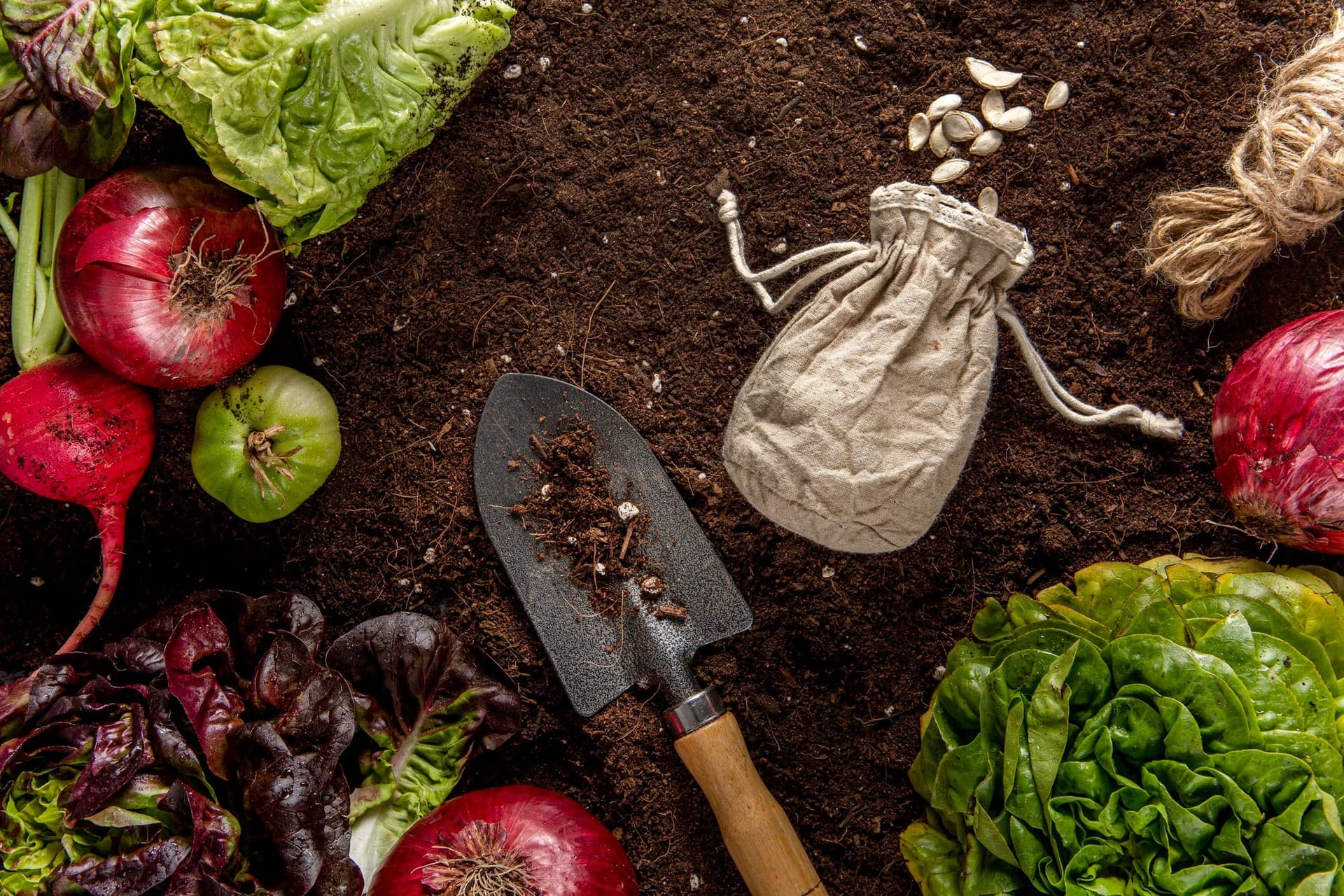
Tomatillos grow inside papery husks, making it hard to judge ripeness at a glance. This guide explains how to know when tomatillos are ripe and offers practical advice on harvesting and storage.

Plant Recommendations
When to Harvest Tomatillos: How to Tell When They're Ripe
Best Fertilizer for Vegetable Gardens – What to Use for Each Plant

11 min read · 20 Jul 2026

Best Fertilizer for Vegetable Gardens – What to Use for Each Plant

Here, you’ll find the right fertilizer formula for vegetables in your garden. Learn how to adjust feeding correctly throughout the growing cycle, spot nutrient deficiencies by their symptoms, and keep your plants healthy and prolific.

Plant Recommendations
Best Fertilizer for Vegetable Gardens – What to Use for Each Plant
Dill Companion Plants – What to Grow Next to Dill

9 min read · 17 Jul 2026

Dill Companion Plants – What to Grow Next to Dill

Dill is an easy-to-grow plant that gets along well with many vegetables. This guide describes 15 plants that can be planted alongside it, a few to avoid, and mistakes that can quietly sabotage the entire process.

Plant Recommendations
Dill Companion Plants – What to Grow Next to Dill