


7 min read · 6 Aug 2026
Planting Grass Seed in Summer – What Works and What Fails
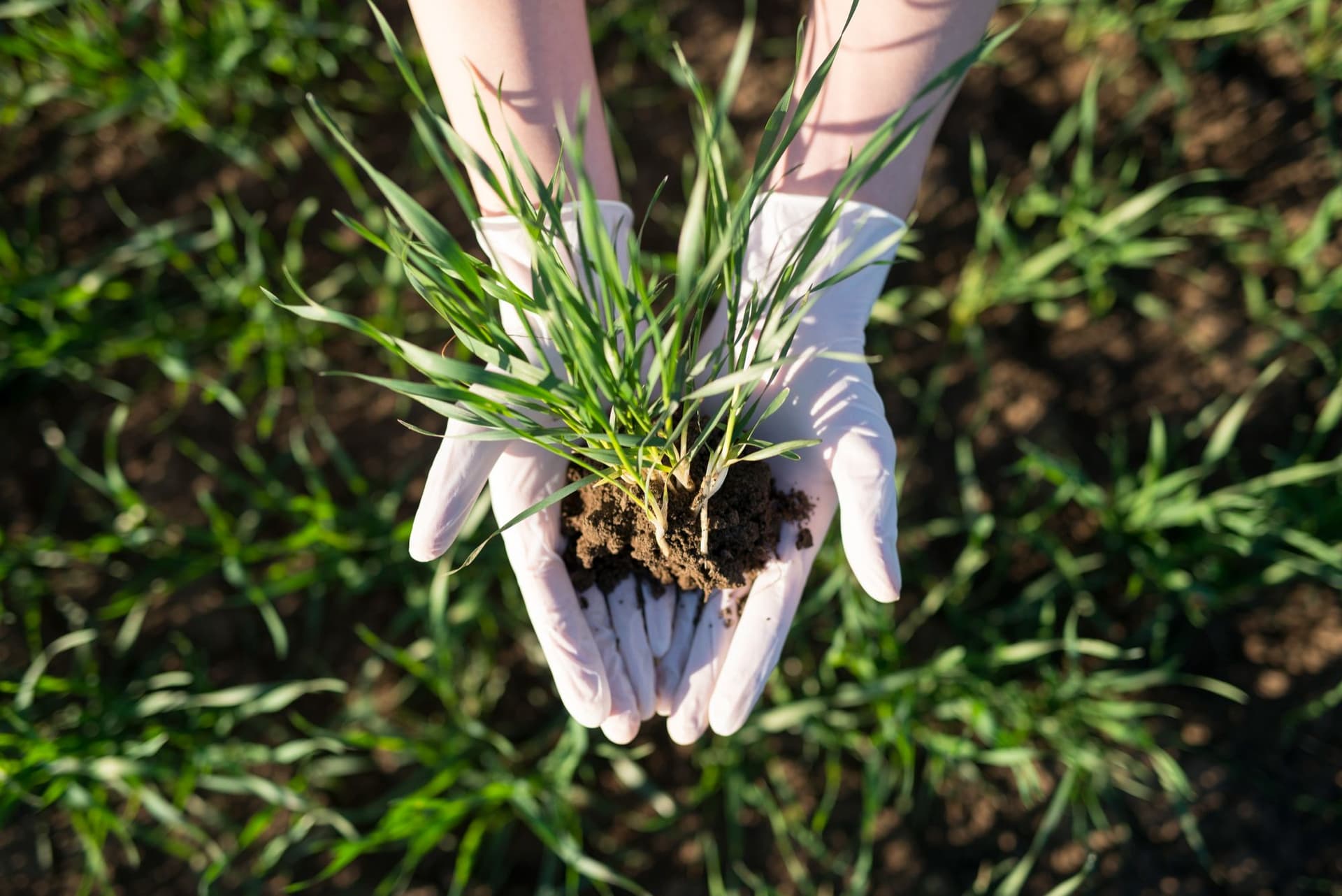
Summer seeding succeeds when the grass type suits the season, and the soil stays moist. Find out how to prepare the seedbed and choose a safe window for planting.

Morning Glory grows best in full sun, with long daily exposure and several hours of direct sunlight.

Light Preference
Full Sun

Ipomoea tricolor is native to warm parts of the Americas, where it grows as a climbing vine in open, disturbed, and edge habitats. These sites receive strong seasonal sun rather than deep shade, with fast growth during warm, bright weather, especially after cool nights pass.
In cultivation, the same pattern matters: strong light supports vigorous vines and abundant bloom. Morning Glory prefers full sun.
Ideal exposure: Morning Glory needs about 6–8 hours of full sun daily, with at least 6 hours of direct sun for best flowering.
It can grow with 4–6 hours of direct sun, but vines may be thinner and bloom less.
Established plants tolerate afternoon sun, though young seedlings and container plants benefit from gradual exposure during heat.
Bright shade or short filtered light is not enough for strong flowering and usually leads to stretched growth.
Full sun is suitable, but sudden harsh exposure can still cause stress.
Leaves may show pale tan or whitish areas on the most exposed surfaces after a rapid move into stronger sun.
Scorched areas can turn dry and thin, especially on tender new leaves or seedlings.
Flowers may fade or collapse faster during intense afternoon sun and heat.
Vine tips may droop during the hottest part of the day when reflected heat is high.
Shift the plant to a site with morning sun and lighter afternoon exposure, or add temporary shade during heat waves. Increase direct sun gradually over 7–10 days after a move.
Low light usually shows in growth before leaves look damaged. Ipomoea tricolor 'Heavenly Blue' becomes less floriferous when sun is limited.
Vines may stretch with wide spaces between leaves as they search for stronger light.
New stems often angle toward the brightest side instead of climbing evenly.
Buds may be sparse, delayed, or absent when direct sun stays below about 4 hours.
Fresh growth can look weaker and smaller during warm weather if light is the limiting factor.
Move it to the brightest outdoor position available, aiming for 6–8 hours of sun. Make the change over several days if the new site is much brighter.
When 6–8 hours of direct sun is not available, choose the site with the longest morning and midday sun. Treat afternoon-only part sun as usable but less ideal for flowering.
Train vines where fences, railings, or nearby structures do not shade the new growth. Avoid deep shade or a covered porch, because those setups rarely provide enough direct sun for reliable blooms.

Light Check
Not sure if your plant is getting enough light? Check its light needs inside the app
Scan your plant to receive care tips personalized for your specific plant
For Morning Glory light requirements, aim for full sun with about 6–8 hours of daily sun. Strong direct light supports compact vine growth and better flowering.
Discover how to care for your plants with Botan.


7 min read · 6 Aug 2026
Summer seeding succeeds when the grass type suits the season, and the soil stays moist. Find out how to prepare the seedbed and choose a safe window for planting.

12 min read · 7 Aug 2026
A front yard tree can stay for decades. Therefore, choosing one deserves serious consideration. Here are 13 trees that have proven themselves, sorted by their purpose. You'll also find five species to avoid and basic planting information.

8 min read · 31 Aug 2026
Good plant grouping can mean the difference between a well-planned garden and one that looks sloppy. This guide explores layers, spacing, cluster shapes, and the plants that thrive when you group them.