

Greek valerian (Polemonium reptans) Light Needs

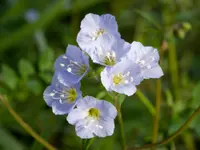
Jacob's ladder grows best in partial shade with bright, filtered light and limited gentle morning sun.

Light Preference

Partial Shade

Polemonium reptans Light Requirements

Polemonium reptans is native to eastern North America, where it grows in rich, moist woodlands, shaded stream banks, and open woodland edges. In these sites, it receives dappled light through deciduous trees, with some early-season sun before the canopy fills in and protection from harsh afternoon sun later. Garden plants perform best when these conditions are matched. Preferred light is partial shade.

  • Ideal exposure:

    Jacob's ladder needs about 4–6 hours of bright, filtered light daily, including up to 2–3 hours of gentle direct morning sun.

  • Direct sun limit:

    Gentle direct sun is safest early in the day, while strong afternoon sun can scorch the thin leaflets.

  • Shade tolerance:

    Full shade is tolerated, but growth may loosen and flowering is often reduced.

  • Best outdoor position:

    A woodland-edge position with shifting shade keeps foliage brighter and less stressed in warm weather.

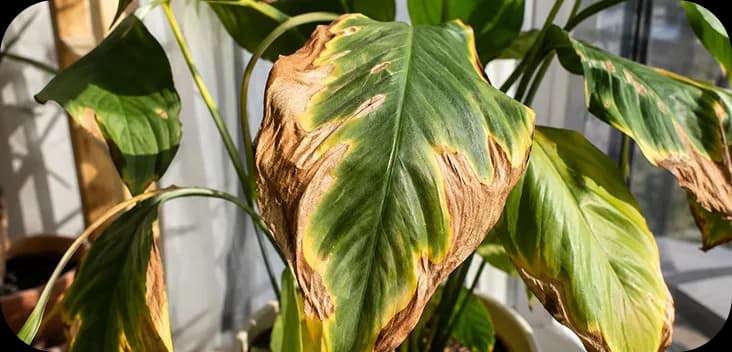
Excess light usually appears after hot afternoon exposure or a sudden move from shade.

Scorched patches:

Thin leaflets may develop pale tan or papery spots on the sun-facing side.

Midday collapse:

Foliage may droop or flatten during bright afternoons even when the soil is not dry.

Washed leaf color:

Leaves can look faded or dull when strong sun is repeated for several days.

Short-lived flowers:

Blooms may fade faster in exposed, hot sites with intense direct sun.

Move the plant to open shade or a site with morning sun only. If it must stay exposed, add filtered shade during the hottest part of the day.

Low light is usually seen as weak growth rather than immediate damage. Polemonium reptans can tolerate shade, but dense shade reduces vigor.

  • Stretched stems:

    New stems may grow longer and softer as they reach toward brighter light.

  • Wider spacing:

    Leaves may sit farther apart, making the clump look open instead of full.

  • Fewer flowers:

    Flowering can be reduced when the plant receives little filtered sun during the growing season.

  • Small new leaves:

    Fresh growth may stay smaller than expected in consistently dim sites.

Shift it to brighter partial shade or a spot with gentle morning sun. Make the change gradually if the new site is noticeably brighter.

Choose bright shade with a short period of morning sun when ideal partial shade is not available. A site that stays cool but visibly bright is usually a better compromise than a hot, open exposure.

Raise nearby branches or move competing objects if they create dense shade all day. Rotate container-grown plants weekly so each side receives similar filtered light.

Avoid exposed afternoon sun against walls or paving, because reflected heat can make suitable sun too intense.

Get Personalized Care Plan

Scan your plant to receive care tips personalized for your specific plant

FAQ

This plant does best in partial shade, with bright filtered light and a little gentle morning sun. The best light for Jacob's ladder is protected from hot afternoon exposure.

More Plant Light Guides

Get the Botan App

Discover how to care for your plants with Botan.

Botan app identifying a plant with a phone camera
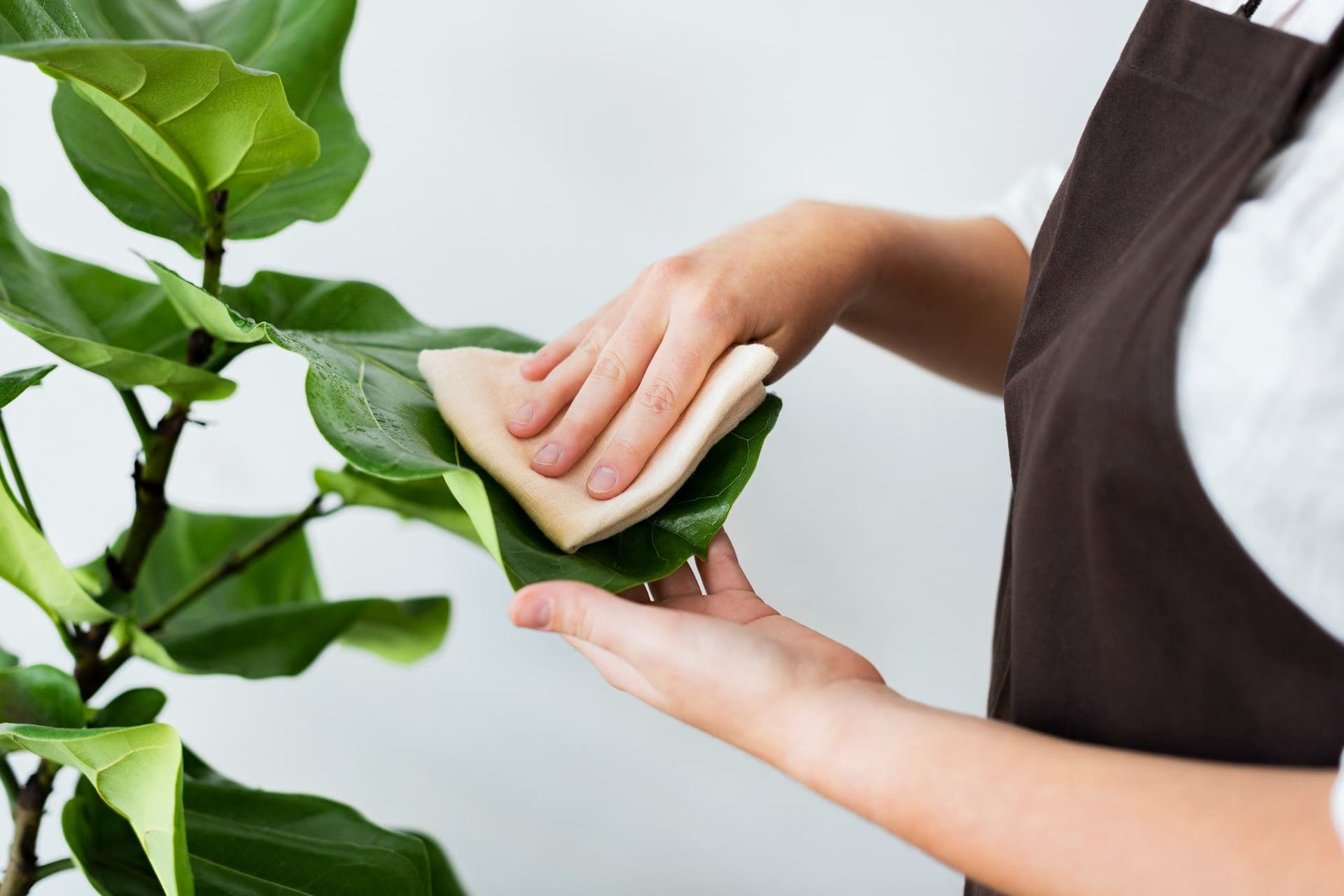
How to Clean Plant Leaves: A Simple Care Guide

6 min read · 4 Aug 2026

How to Clean Plant Leaves: A Simple Care Guide

Dusty leaves look dull and don't absorb light well. Below, you'll find simple ways to clean them, which tools are truly effective, how often you should do it, and what causes damage.

Beginner Guides
How to Clean Plant Leaves: A Simple Care Guide
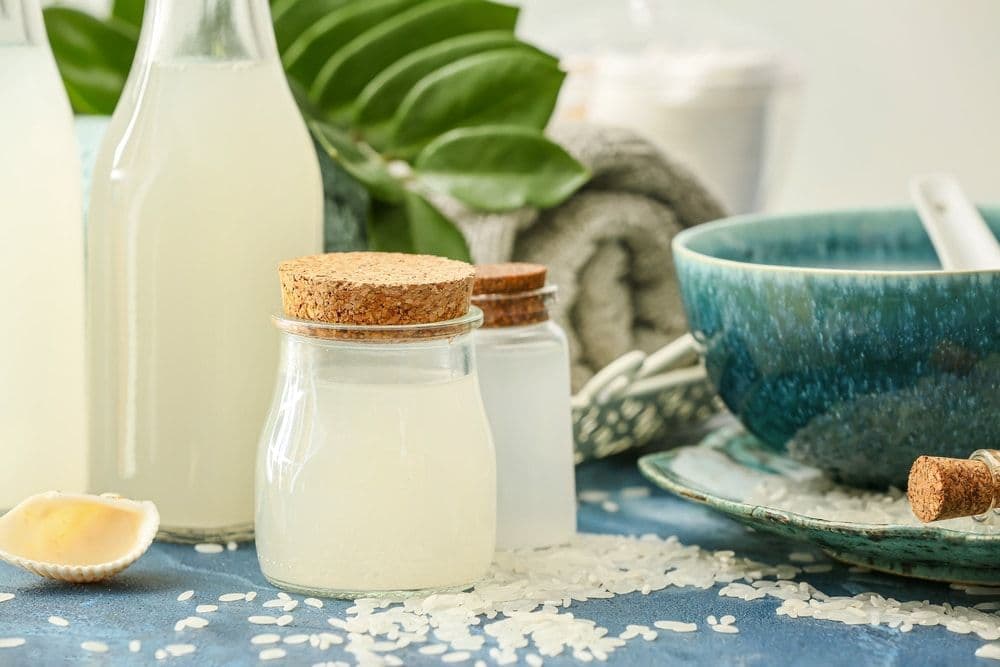
Rice Water for Plants – Which Plants Love It and How to Make It

8 min read · 14 Jul 2026

Rice Water for Plants – Which Plants Love It and How to Make It

Rice water can be an ideal DIY solution for orchids, roses, or fruiting plants. It supports growth, leaf count, and height. We’ll share how to make and apply it correctly for your plant.

Plant Care
Rice Water for Plants – Which Plants Love It and How to Make It
How Long Can Flowers Go Without Water? Everything You Need to Know

6 min read · 10 Jul 2026

How Long Can Flowers Go Without Water? Everything You Need to Know

Flowers can survive without water anywhere from 1-2 hours to several months, depending on the plant type, species, and growing conditions. Some strong-looking flowers are drought-sensitive, while delicate-looking plants may tolerate long dry periods surprisingly well.

Plant Care
How Long Can Flowers Go Without Water? Everything You Need to Know