


7 min read · 6 Aug 2026
Planting Grass Seed in Summer – What Works and What Fails
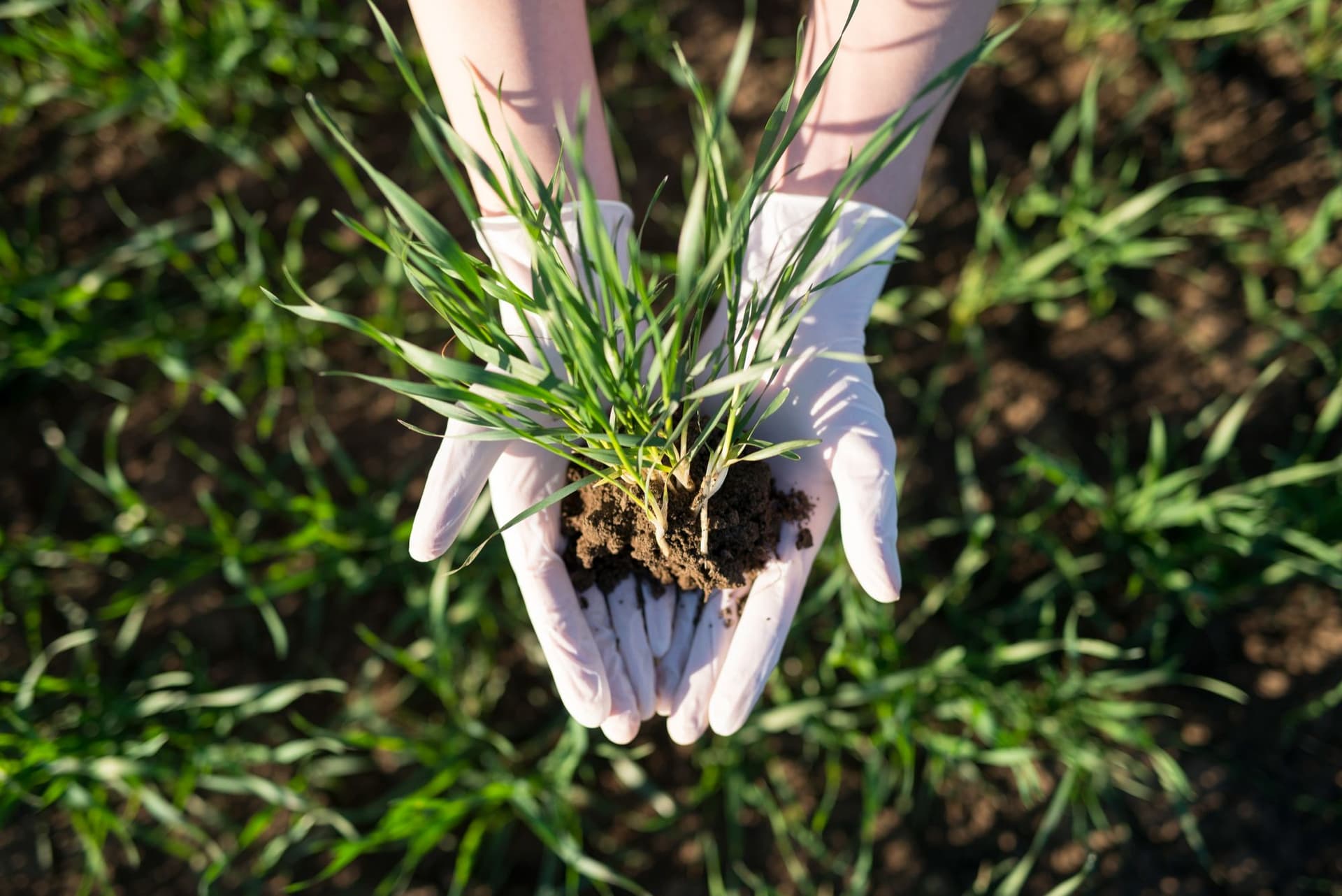
Summer seeding succeeds when the grass type suits the season, and the soil stays moist. Find out how to prepare the seedbed and choose a safe window for planting.

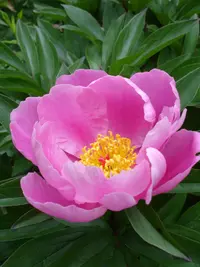
Peony grows best outdoors in full sun, with consistent direct light through most of the growing season.

Light Preference
Full Sun

Paeonia lactiflora is associated with open, sunny meadows, grassy slopes, and light woodland edges in temperate climates of northern and eastern Asia. In these settings, plants receive strong seasonal sunlight during spring and early summer, when stems extend and flower buds develop. Garden plants perform similarly when they are not shaded by buildings, fences, or dense neighboring growth. Preferred light is full sun.
Ideal exposure: Peony needs about 6–8 hours of full sun daily, including at least 6 hours of direct sun for best flowering.
Established plants tolerate full sun well, especially when exposure is steady from spring rather than sudden after shade.
Partial sun is tolerated, but fewer than 4–5 hours of direct sun often leads to fewer blooms and softer stems.
Morning and midday sun are useful; very hot afternoon sun can stress flowers faster during heat waves.
Full sun is usually suitable, but harsh heat can still cause stress.
Blooms may bleach or develop papery edges faster when exposed to intense afternoon sun during hot spells.
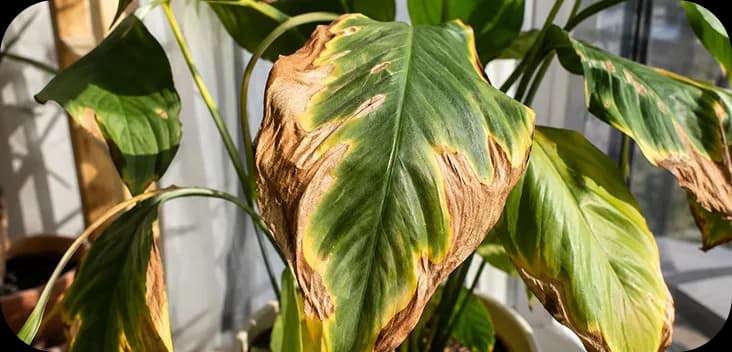
Upper, sun-facing leaves can show tan or brown dry areas after sudden exposure or reflected heat.
Flowers may open and decline quickly when strong sun combines with high temperatures.
Marks are usually strongest on the side facing the hottest sun, rather than evenly across the clump.
Reduce the strongest exposure with temporary shade cloth during heat waves. If the site is consistently harsh, choose morning sun with light afternoon protection when relocating the plant in dormancy.
Low light mainly shows up as weak growth and poor flowering.
New shoots may grow taller and softer than usual as they reach toward brighter exposure.
Stems often angle toward the open side of a shaded bed or nearby light gap.
Flower buds may be sparse, small, or fail to develop well when direct sun is limited.
The plant can stay less vigorous, with fewer strong flowering stems during the active season.
Move surrounding shade sources if possible, or relocate the clump to a sunnier site while dormant. Aim for at least 6 hours of direct sun in the growing season.
If full-day sun is not available, choose a site with at least 6 hours of morning and midday sun. This compromise supports stronger stems and better bud formation than late-day shade.
Cut back or move nearby sources of shade before spring growth begins. Keep the crown clear of overhanging structures that block direct light.
A shaded bed is unsuitable because this species rarely flowers well with only filtered or indirect light.

Too Much Sun?
Check if your plant gets too much direct sunlight and improve its placement
Scan your plant to receive care tips personalized for your specific plant
This plant does best with about 6–8 hours of direct sun each day. Less than 4–5 hours often reduces flowering and can lead to weaker stems.
Discover how to care for your plants with Botan.


7 min read · 6 Aug 2026
Summer seeding succeeds when the grass type suits the season, and the soil stays moist. Find out how to prepare the seedbed and choose a safe window for planting.

9 min read · 29 Sept 2026
Discover the 12 best plants for bathroom spaces. Each pick comes with its own advantages, plus light, humidity, watering, and placement tips. Take a look and match the plant to your specific bathroom.

12 min read · 7 Aug 2026
A front yard tree can stay for decades. Therefore, choosing one deserves serious consideration. Here are 13 trees that have proven themselves, sorted by their purpose. You'll also find five species to avoid and basic planting information.