


Peony (Paeonia lactiflora 'Sarah Bernhardt') Watering Guide

This page explains when, how often, and how much to water Peony for straightforward, reliable care guidance.

Water Requirements

Moderate Water

Paeonia lactiflora 'Sarah Bernhardt' Watering

Garden-grown Paeonia lactiflora 'Sarah Bernhardt' thrives where spring and early summer bring steady rainfall and moderately moist soil. In similar conditions, watering Peony focuses on supporting deep roots without creating soggy ground. Outdoor beds usually hold moisture longer than containers, which dry more quickly in sun and wind.

This perennial prefers soil that stays slightly moist through active growth, then gradually dries a bit more during dormancy.

Let the top 1–2 inches (3–5 cm) of soil dry out before watering Paeonia lactiflora 'Sarah Bernhardt' again. In most outdoor beds this typically means watering about once per week in active growth, but intervals shorten in hot, windy weather and lengthen during cool, rainy periods or dormancy.

Water Peony when the top 1-2 inches (3-5 cm) of soil feel dry, using slow, deep, root-focused watering.

  • Pour water directly onto the soil around the plant, keeping leaves, stems, and the crown as dry as possible.
  • Apply water slowly in a wide ring over the root zone so moisture penetrates deeply instead of running off.
  • Continue adding water until the soil is evenly moist to several inches deep, then stop before puddles form.
  • Ensure the planting area drains freely and empty any collection trays so excess water does not remain around roots.

Incorrect soil moisture can trigger several growth and flowering problems for Paeonia lactiflora 'Sarah Bernhardt'.

Yellowing Lower Foliage:

Older leaves yellow from brief water stress or uneven moisture, especially during hot, drying weather.

Blackened Crown And Stems:

Dark, collapsing tissue at the base usually indicates rot from persistently saturated, poorly drained soil.

Sparse Or Stunted Flower Buds:

Small, few, or drying buds often reflect droughty periods during spring shoot and bud development.

Wilting Despite Damp Soil:

Limp foliage in moist ground suggests oxygen-starved roots from heavy, compacted, or waterlogged soil.

Keep soil consistently moist but never waterlogged, favoring deep, infrequent watering in well-drained ground.

Unsuitable watering habits weaken Paeonia lactiflora 'Sarah Bernhardt', reducing flower display and shortening the life of its fleshy storage roots.

  • Watering by calendar: Following a fixed schedule ignores weather and soil changes; instead, water only when the top few inches feel dry to the touch.
  • Poorly drained soil: Planting in heavy, compacted soil keeps roots wet for too long; improve drainage with coarse sand or fine gravel before planting.
  • Letting saucers fill: Leaving pots standing in runoff suffocates peony roots; empty saucers promptly so excess water can fully drain away.

Successful watering keeps soil evenly moist but never saturated, using drainage, soil texture, and touch tests to guide each watering.

  • Spring: As new shoots emerge and buds swell, keep soil evenly moist, preventing both drying out and prolonged saturation during cool, changeable weather.
  • Summer: After flowering, water during dry spells so the root zone stays slightly moist, supporting tuber energy storage without creating soggy conditions.
  • Fall: As foliage yellows and dies back, gradually reduce watering, allowing the soil to dry a bit more between light waterings.
  • Winter: Once fully dormant in cold climates, rely mainly on natural precipitation, watering only if soil becomes very dry and unfrozen.

Get Your Peony Watering Schedule

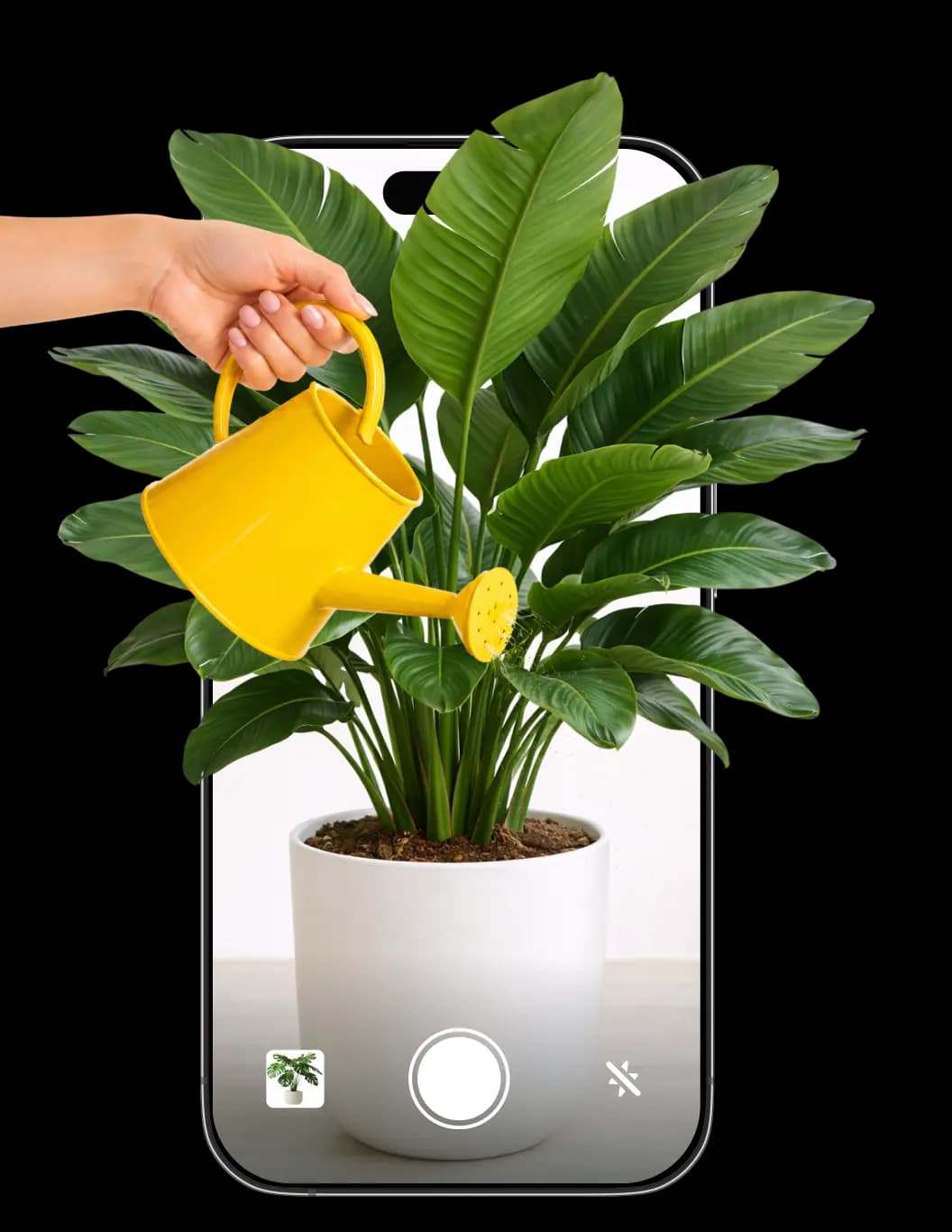
Use Botan for a simple watering guide and care reminders tailored to Peony or Paeonia lactiflora 'Sarah Bernhardt', plus gentle photo-based checks that help notice issues early.

Botan plant care app — identify plants on mobile

FAQ

Probe soil 2–3 inches (5–7 cm) down; if it feels dry and loose, water deeply. Wilting in heat that recovers by evening is normal, but persistent droop with dry soil signals it needs moisture.

Everything About Peony

More Plant Watering Guides

Is Your Watering Routine Hurting Your Peony?

Use Botan to review your watering habits and support healthier moisture levels over time.

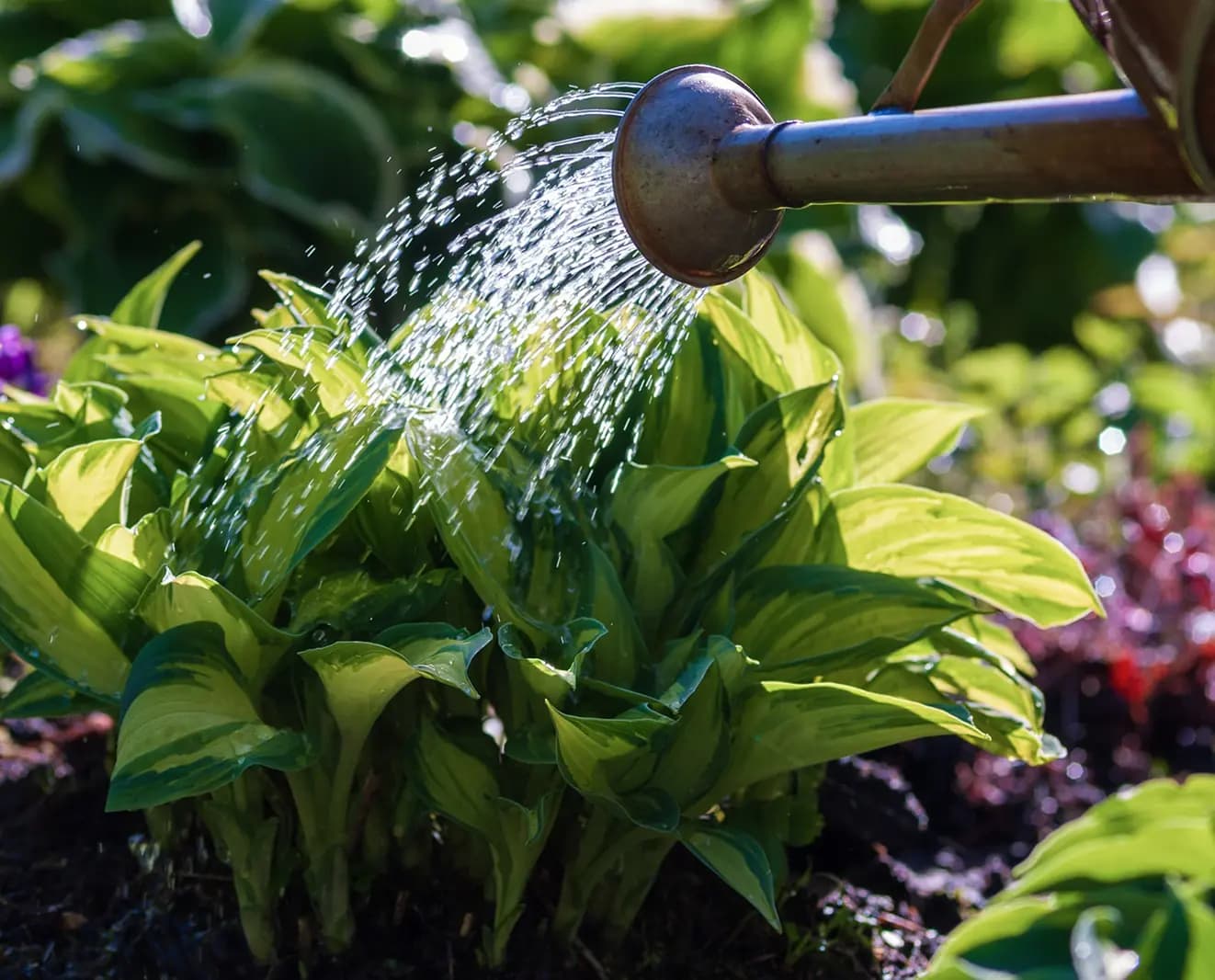
Watering a plant with a copper watering can
12 Best Landscaping Trees for Your Garden

8 min read · 6 Oct 2026

12 Best Landscaping Trees for Your Garden

Choosing the landscape tree depends on what your garden needs most. These 12 options include compact flowering specimens, colorful deciduous trees, shade varieties, and evergreens suitable for screening and year-round structure.

Plant Recommendations
12 Best Landscaping Trees for Your Garden
How to Tell if a Plant Is Dead

6 min read · 19 Aug 2026

How to Tell if a Plant Is Dead

A plant can lose its leaves, stop growing, or collapse and still remain alive. A closer look at the stems, roots, bulbs, and tubers can show whether the plant still has a chance to recover.

Beginner Guides
How to Tell if a Plant Is Dead
How to Use a Moisture Meter for Plants

5 min read · 4 Sept 2026

How to Use a Moisture Meter for Plants

Watering by feel kills plenty of houseplants. A moisture meter checks the soil for you, and takes the guesswork out of it. This guide will show you how to use it correctly, from the first touch to the final reading.

Beginner Guides
How to Use a Moisture Meter for Plants