alyssum (Alyssum simplex) Watering Guide

This page explains when, how often, and how much to water Alyssum simplex for steady, healthy growth.

Water Requirements

Moderate Water

Alyssum simplex Watering

Native to relatively dry, open habitats, Alyssum simplex is adapted to modest moisture rather than constant wetness. In gardens, watering alyssum means aiming for soil that dries slightly between thorough waterings, not staying soggy. Outdoor plants usually cope with brief dry spells better than those in containers, which lose moisture faster.

Overall, the basic approach to how to water alyssum is light, infrequent watering that respects its drought-tolerant background without prolonged dryness.

Let the top 1–2 inches (3–5 cm) of soil dry before watering Alyssum simplex again. In warm, sunny conditions it may dry quickly, so checks are needed more often, while cooler weather or partial shade usually stretches the interval between waterings.

Water alyssum when the top 1 inch (2–3 cm) of soil feels dry, using light, even moisture rather than deep soaking.

  • Pour water slowly at soil level around the plants, avoiding flowers and foliage to keep them dry and clean.
  • Moisten only the top 2–3 inches (5–8 cm) of soil, since alyssum has relatively shallow, fibrous roots.
  • Allow excess water to drain freely from containers or raised beds, then empty saucers so roots never sit in standing water.

Incorrect moisture levels often disrupt Alyssum simplex growth and flowering, stressing roots and foliage.

Yellowing Lower Leaves:

Older leaves fade and drop when soil stays wet too long, slowing nutrient uptake and growth.

Wilting In Dry Soil:

Plants flop and stems soften when shallow roots dry quickly between irregular, light waterings.

Root Rot In Soggy Soil:

Brown, mushy roots and sudden collapse develop when containers or beds drain poorly after irrigation.

Sparse Blooming From Drought:

Flowers diminish and buds abort when prolonged dryness diverts energy toward basic survival instead of flowering.

Keep soil lightly moist with sharp drainage, avoiding both prolonged sogginess and extended bone-dry periods.

Unsuitable watering habits can weaken Alyssum simplex, making this shallow-rooted annual less floriferous and more vulnerable to stress and pests.

  • Rigid watering schedule: Watering by calendar instead of checking soil moisture keeps it too wet or too dry; test the top layer and adjust timing.
  • Heavy, poorly drained soil: Planting in dense garden soil traps moisture around fine roots; amend with sand or fine gravel to improve drainage.
  • Wrong container setup: Using pots without drainage holes or with tiny ones causes waterlogging; choose containers with large holes and fast-draining mix.

Successful watering relies on quick drainage and flexible timing, guided by soil feel and weather, not fixed routines or containers.

Your alyssum Care Companion

Use Botan for a simple watering guide and care steps tailored to Alyssum simplex, plus gentle photo-based checks that help notice leaf spots, wilting, or other early issues.

Botan plant care app — identify plants on mobile

FAQ

Yes. Prolonged standing water keeps roots saturated, reducing oxygen and increasing rot risk. After watering, empty the saucer within 15–20 minutes so the mix can drain and re‑aerate properly.

More Plant Watering Guides

Is Your Watering Routine Hurting Your alyssum?

Botan reviews your watering pattern to highlight simple adjustments for healthier moisture levels.

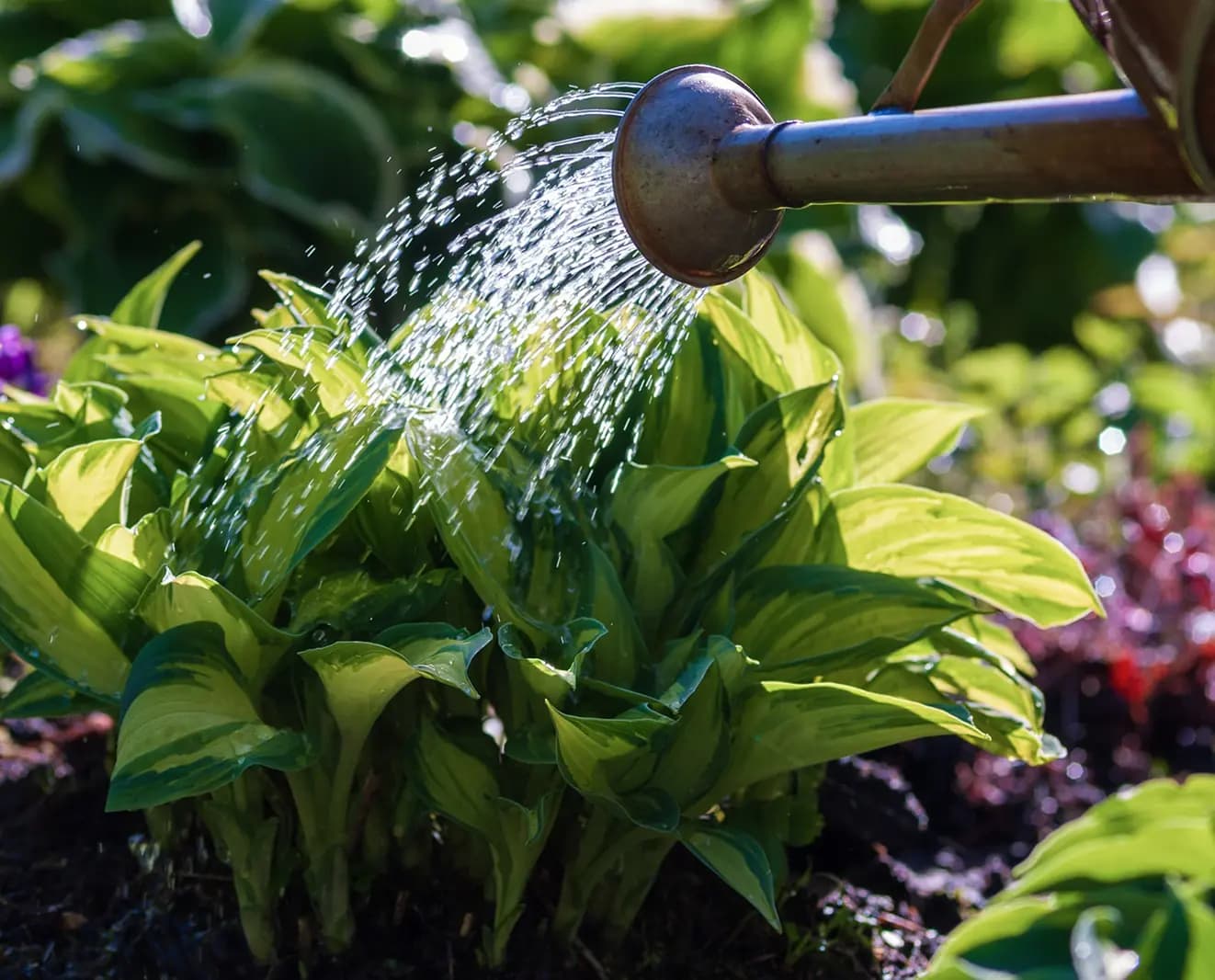
Watering a plant with a copper watering can
15 Best Scary Halloween Plants and Fungi for a Spooky Garden

8 min read · 9 Oct 2026

15 Best Scary Halloween Plants and Fungi for a Spooky Garden

Want a garden that looks eerie in October? Here are 15 Halloween plants and fungi, from carnivorous traps to bleeding mushrooms. For each species, we cover its appearance, care requirements, and potential uses in your landscape.

Plant Recommendations
15 Best Scary Halloween Plants and Fungi for a Spooky Garden
How to Group Plants in Landscaping: A Practical Layout Guide

8 min read · 31 Aug 2026

How to Group Plants in Landscaping: A Practical Layout Guide

Good plant grouping can mean the difference between a well-planned garden and one that looks sloppy. This guide explores layers, spacing, cluster shapes, and the plants that thrive when you group them.

Plant Care
How to Group Plants in Landscaping: A Practical Layout Guide
Plant Pot Sizes: How to Choose the Right Plant Container

7 min read · 20 Aug 2026

Plant Pot Sizes: How to Choose the Right Plant Container

Plant pot sizes can be confusing because the number on the label only tells you part of the required information. A container may look spacious but actually be too shallow. So, how to choose pot size for plant species?

Beginner Guides
Plant Pot Sizes: How to Choose the Right Plant Container