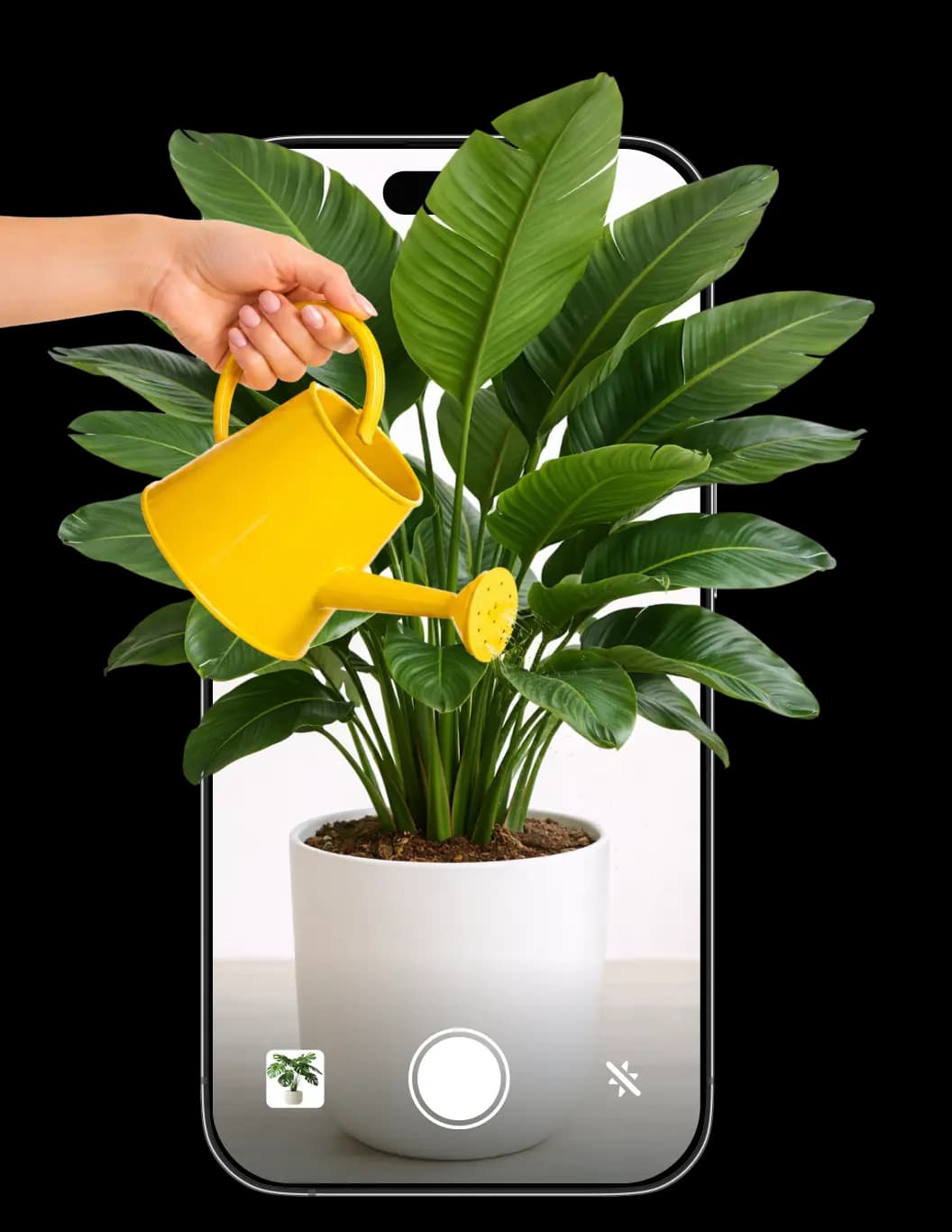
Curry plant (Helichrysum italicum) Watering Guide

This page explains when, how often, and how much to water Helichrysum italicum in straightforward, practical terms.

Water Requirements

Low Water

Helichrysum italicum Watering

This drought-tolerant herb prefers light, infrequent moisture that mimics its naturally dry, rocky Mediterranean habitat. Helichrysum italicum responds best when soil dries slightly between sessions, rather than staying consistently damp.

In the ground, watering Curry plant usually supports deeper, less frequent moisture, while containers dry faster and need closer attention. This overview sets the foundation for how to water Curry plant in varied growing conditions and climates.

Let the soil dry almost completely between waterings, then water when the top 1–2 inches (3–5 cm) feel dry and dusty. Helichrysum italicum typically needs water every 10–21 days indoors, with shorter intervals in very bright, hot conditions and longer ones in cooler, lower-light spots.

Water Curry plant when the top 1-2 inches (3-5 cm) of soil feel dry, using a slow, targeted approach.

  • Pour room-temperature water slowly at the base, circling the root zone rather than splashing the plant’s center.
  • Moisten the soil evenly until water flows from the drainage holes, ensuring the entire root ball is reached.
  • Allow the pot to drain freely, then empty any saucer or cachepot so the container does not sit in collected water.
  • Keep foliage and stems mostly dry by directing water under the leaves to reduce prolonged surface moisture on the plant.

Improper moisture balance can stress Helichrysum italicum, disrupting growth and overall vigor.

Wilting Foliage:

Limp, drooping shoots usually follow prolonged drought or shallow watering that bypasses deeper roots.

Yellowing Lower Leaves:

Pale, yellow bases often reflect chronic overwatering and reduced oxygen around the root zone.

Root Rot:

Brown, mushy roots signal saturated, poorly drained soil that needs drier conditions and aeration.

Stunted New Growth:

Small, slow shoots may result from inconsistent moisture, alternating deep drought with sudden heavy soaking.

Keep soil lean, fast-draining, and lightly moist, allowing it to dry between thorough waterings.

Unsuitable watering habits can weaken Helichrysum italicum, making this dry-loving Mediterranean herb less resilient and shorter‑lived indoors or outdoors.

  • Following a rigid schedule: Watering on a calendar instead of checking soil moisture keeps roots constantly damp; wait until the top layer dries well first.
  • Using dense, moisture-heavy soil: Planting in regular potting mix that stays wet too long stresses this drought-adapted herb; choose sandy, sharply draining soil blends instead.
  • Letting water sit in saucers: Leaving runoff around the pot base soaks lower roots; empty saucers soon after watering to restore drier conditions.

Aim for deep but infrequent watering in fast-draining soil, letting the mix dry well between waterings to suit this Curry plant.

  • Spring: New growth starts; water slightly more often, letting the top layer dry fully to avoid shocking roots emerging from winter rest.
  • Summer: In hot, dry conditions, increase checks but keep watering light and infrequent, as its Mediterranean roots prefer drought over constant moisture.
  • Fall: Growth slows; gradually extend the drying period between waterings to help stems harden and prepare for cooler conditions.
  • Winter: In mild climates, water sparingly during dry spells; indoors or in cold areas, keep almost dry to reduce rot risk.

Track Watering. Catch Problems Early

Use Botan for a clear watering guide and simple care steps for Helichrysum italicum. The app can also review plant photos to help spot early signs of stress or disease.

Botan plant care app — identify plants on mobile

Interesting Watering Facts

Prefers dry limestone

In the wild, this species often grows on dry, rocky limestone slopes around the Mediterranean, where soil drains very quickly and holds little water. In cultivation it performs best when its roots experience similar dry, lean, sharply drained conditions.


Summer drought tolerance

Helichrysum italicum is naturally exposed to hot, dry Mediterranean summers with limited rainfall, so mature plants tolerate prolonged dry spells once established. Overwatering in rich, moist soil tends to stress the plant more than moderate drought.

FAQ

Yellowing soon after watering usually means roots are staying too wet. This drought-tolerant species needs sharp drainage and time to dry between drinks. Check for soggy soil, compact mix, and clogged drainage holes.

More Plant Watering Guides

Is Your Watering Routine Hurting Your Curry plant?

Botan reviews your watering pattern to see if moisture levels stay on track.

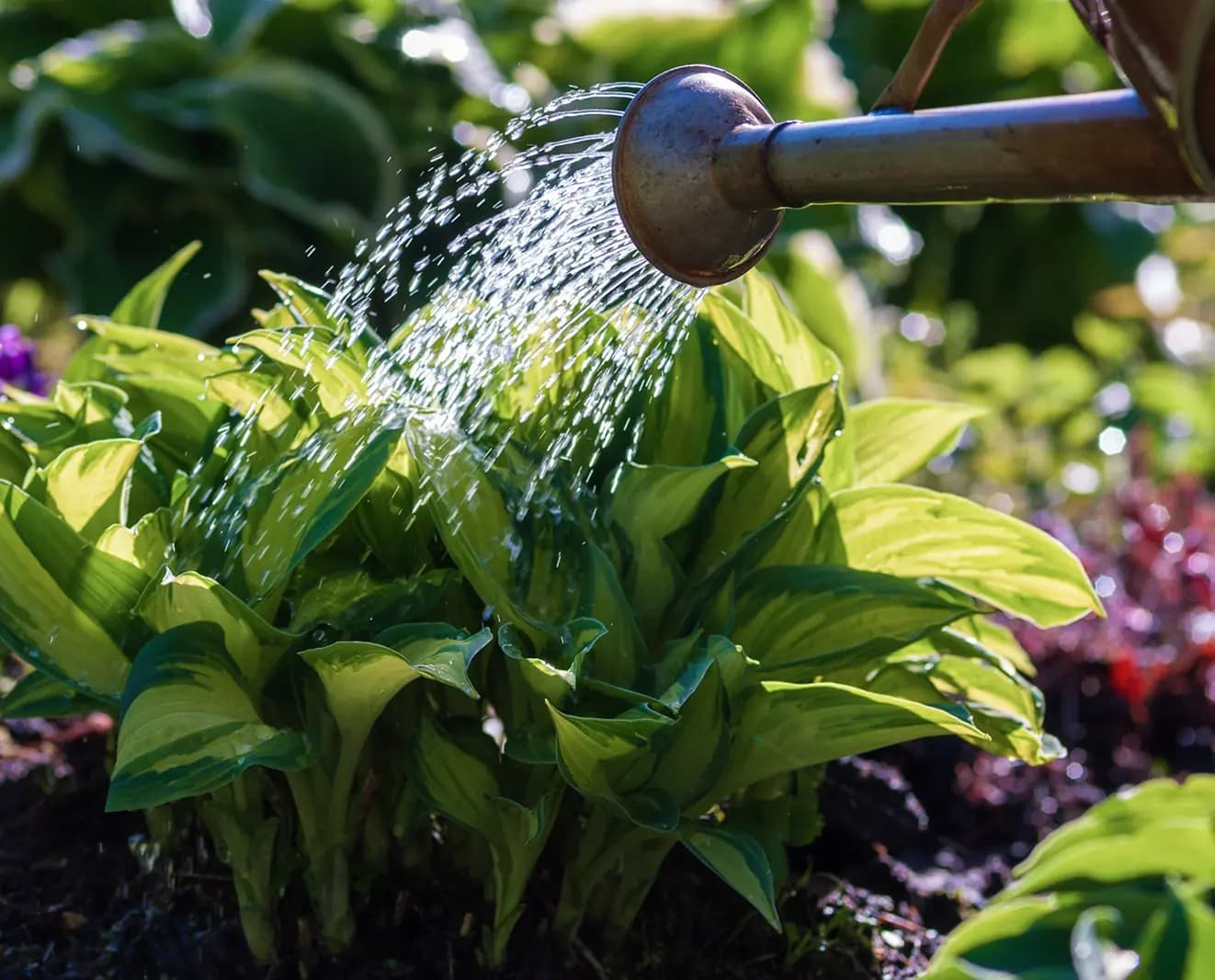
Watering a plant with a copper watering can
Frozen vs Fresh Vegetable Nutrients: Which Option Is Healthier?

6 min read · 8 Sept 2026

Frozen vs Fresh Vegetable Nutrients: Which Option Is Healthier?

Frozen and fresh vegetables are nutritionally comparable: frozen produce often retains vitamins just as well as fresh and may sometimes contain more. Here’s how blanching and storage affect nutrients—and when to choose each.

Plant Recommendations
Frozen vs Fresh Vegetable Nutrients: Which Option Is Healthier?
How to Mist Plants – Proper Technique and Common Mistakes

7 min read · 30 Jul 2026

How to Mist Plants – Proper Technique and Common Mistakes

Find out when misting works well and when to avoid it. Here, you’ll find detailed information about compatible and incompatible species, tips on how often to mist plants and do it correctly, and some great alternatives for raising humidity.

Beginner Guides
How to Mist Plants – Proper Technique and Common Mistakes
How To Revive a Dying Plant: 6 Steps To Bring A Plant Back To Life

6 min read · 1 Sept 2026

How To Revive a Dying Plant: 6 Steps To Bring A Plant Back To Life

Drooping leaves and brown tips don't always mean the end, and a weakened plant can often recover with a little help. These six simple steps will help you revive a dying plant and restore its health.

Plant Care
How To Revive a Dying Plant: 6 Steps To Bring A Plant Back To Life