Switches Photosynthesis Mode
Portulaca oleracea can switch between regular C4 photosynthesis and CAM (crassulacean acid metabolism) under drought, opening stomata at night to reduce water loss while still fixing carbon efficiently.

This page explains when, how often, and how much to water Portulaca oleracea for steady, controlled growth.

Water Requirements
Low Water
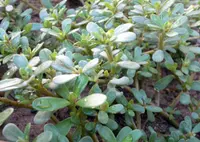
This drought-tolerant succulent herb evolved in hot, dry, seasonally rainy habitats, so it handles short dry spells well. Portulaca oleracea prefers light, brief moisture rather than long periods of wet soil when watering Purslane.
In-ground plants usually rely on natural rainfall, with only supplemental watering in extended dryness. Container-grown Purslane dries faster, so monitor soil more often, focusing on a simple, low-maintenance routine that lets soil partly dry between waterings.
Let the soil dry out almost completely between waterings, then water again when the top 1–2 inches (3–5 cm) feel dry and crumbly. Purslane in strong summer sun or outdoor heat usually needs water more often than plants grown indoors or in cooler, lower-light conditions.
Water Purslane when the top 1-2 inches (3-5 cm) of soil feel completely dry, using a slow, controlled approach.
Improper moisture levels can stress Portulaca oleracea, disrupting growth and weakening its resilience over time.
Older leaves turn pale yellow from persistently wet soil, indicating reduced oxygen around fine feeder roots.
Stem bases soften and collapse when roots sit in saturated soil, encouraging rot-causing fungi development.
Leaves and stems wrinkle and thin after prolonged dryness, especially in shallow containers or sandy substrates.
New shoots remain short with few leaves when watering is irregular, stressing shallow, fibrous root systems.
Aim for brief dry periods between thorough waterings, preventing both prolonged dryness and lingering soil saturation.
Poor watering habits quickly upset the balance this succulent needs, making Purslane less resilient, leggy, and prone to stress.
For Portulaca oleracea, use fast-draining soil, containers with drainage, and water only when the top soil layer has dried.

Watering Check
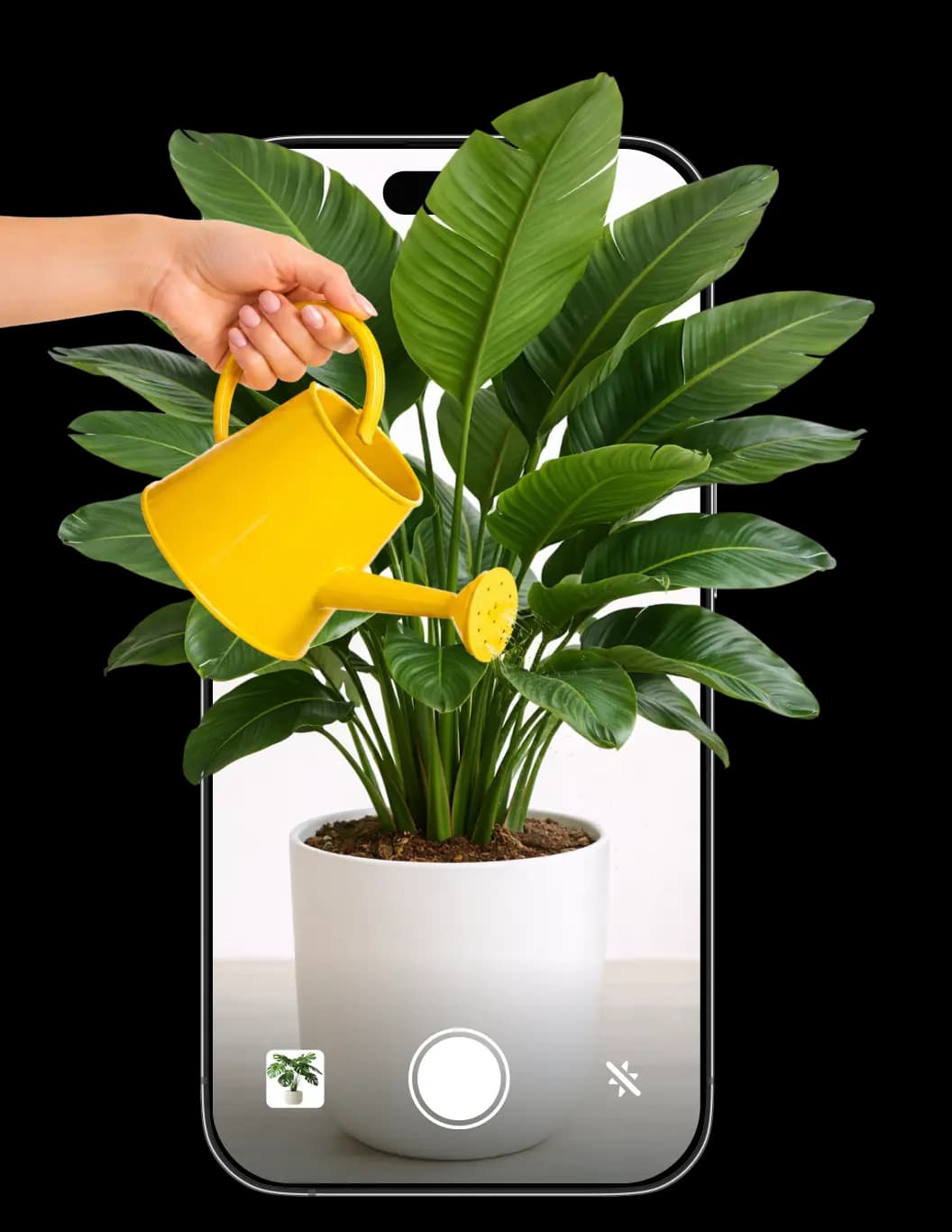
Not sure if your plant needs water? Check its watering needs inside the app.
Botan offers a clear watering guide and care steps for Portulaca oleracea, and can gently flag possible issues from a quick plant photo to support everyday care decisions.
Portulaca oleracea can switch between regular C4 photosynthesis and CAM (crassulacean acid metabolism) under drought, opening stomata at night to reduce water loss while still fixing carbon efficiently.
This species tolerates both low water and saline conditions, allowing it to survive in coastal sands, compacted urban soils, and disturbed sites where moisture is irregular and often scarce.
Portulaca oleracea forms a shallow but spreading root system that rapidly absorbs brief pulses of surface moisture from light rains or irrigation, helping it thrive in places with sporadic water availability.
In warm, sunny conditions, water when the top 1–2 inches (3–5 cm) of soil are fully dry. In cooler or shadier spots, this may mean watering every few days to once a week, depending on drainage.
Use Botan to review moisture timing and adjust watering with confidence.
6 min read · 10 Jul 2026
Flowers can survive without water anywhere from 1-2 hours to several months, depending on the plant type, species, and growing conditions. Some strong-looking flowers are drought-sensitive, while delicate-looking plants may tolerate long dry periods surprisingly well.
5 min read · 10 Aug 2026
Explore when to mow your lawn for its health and a pleasant green color. Find out the best time for this task during the summer heat, and follow practical tips for correctly cutting the grass, and learn common mistakes to avoid.
5 min read · 4 Sept 2026
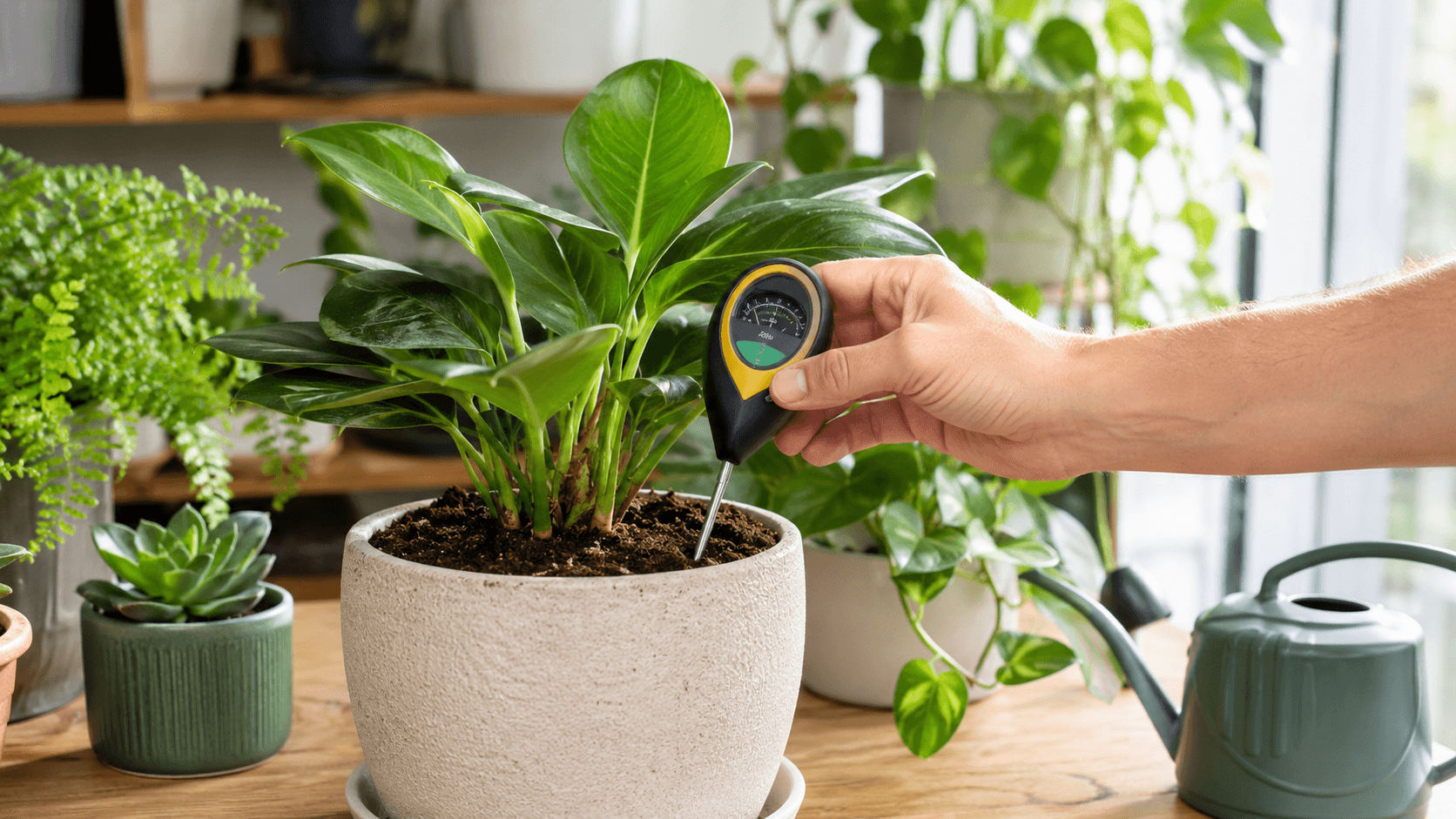
Watering by feel kills plenty of houseplants. A moisture meter checks the soil for you, and takes the guesswork out of it. This guide will show you how to use it correctly, from the first touch to the final reading.