


Purslane (Portulaca oleracea) Light Needs

Purslane grows best in full sun, with several hours of direct sunlight each day during active growth.

Light Preference

Full Sun

Portulaca oleracea Light Requirements

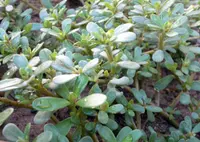
Portulaca oleracea is widely naturalized and often found in open, disturbed sites such as gardens, fields, paths, and roadside edges. These places usually provide strong sun, warm soil, and little overhead cover.

Its low, succulent growth is adapted to bright exposure and short dry periods, so cultivated plants perform best where light is direct and strong. Preferred light is full sun.

  • Ideal exposure:

    Purslane needs about 6–8 hours of full sun daily, including at least 6 hours of direct sun for strongest growth.

  • Direct sun:

    Established plants tolerate strong direct sun well, including midday and afternoon exposure in most temperate conditions.

  • Partial sun:

    About 4–6 hours of direct sun is tolerated, but growth may be looser and flowering less consistent.

  • Weak light:

    Shade is not suitable because stems stretch and the plant becomes less compact.

Too much light is uncommon, but sudden exposure can cause sun stress.

Pale scorch:

Leaves may develop light tan or whitish patches after a sudden move into intense sun.

Reddish stress color:

Some leaves may take on a stronger red or bronze cast during harsh heat and glare.

Shriveled tips:

Tender shoot tips can look slightly puckered when extreme sun combines with reflected heat.

Stalled new growth:

New growth may pause briefly after abrupt exposure to stronger afternoon sun.

Move Portulaca oleracea into morning sun or light afternoon shade, then reintroduce stronger direct sun over 5–7 days. Avoid placing it against reflective pavement or hot walls during extreme heat.

Weak light usually shows up as stretched, less compact growth rather than sudden damage.

  • Stretched stems:

    Stems may lengthen quickly and look thin as they search for stronger light.

  • Wide spacing:

    Leaves may sit farther apart, giving the plant a loose, less dense shape.

  • Reduced flowering:

    Flowering can become sparse or stop when direct sun is too limited.

  • Small new growth:

    New shoots may stay smaller and less vigorous during the growing season.

Move Portulaca oleracea to a brighter site with several hours of direct sun. Increase exposure gradually if it has been growing in shade.

If ideal full sun is not available, choose the brightest outdoor spot that receives morning sun plus early afternoon light. Treat 4–6 hours of direct sun as the lowest practical compromise for useful growth.

Move containers away from tall walls, railings, or dense overhangs that block midday light. Rotate pots weekly if growth leans toward one side.

Deep shade is unsuitable because it produces stretched, weak growth and limited flowering.

Get Personalized Care Plan

Scan your plant to receive care tips personalized for your specific plant

FAQ

It needs full sun for best growth, ideally around 6–8 hours of direct sun daily. The Purslane light requirements are lower in partial sun, but growth and flowering are usually reduced.

More Plant Light Guides

Get the Botan App

Discover how to care for your plants with Botan.

Botan app identifying a plant with a phone camera
Best Fertilizer for Grass in Summer: How to Choose the Right One

6 min read · 18 Aug 2026

Best Fertilizer for Grass in Summer: How to Choose the Right One

The right fertilizer in summer can make a lawn thrive. The wrong one can damage it. Here, you’ll learn the best NPK ratios by grass type, when and how to apply your formula, and how to recognize the signs of over- or under-fertilizing.

Plant Care
Best Fertilizer for Grass in Summer: How to Choose the Right One
How to Mulch in the Fall and When to Wait Until Spring

5 min read · 12 Nov 2026

How to Mulch in the Fall and When to Wait Until Spring

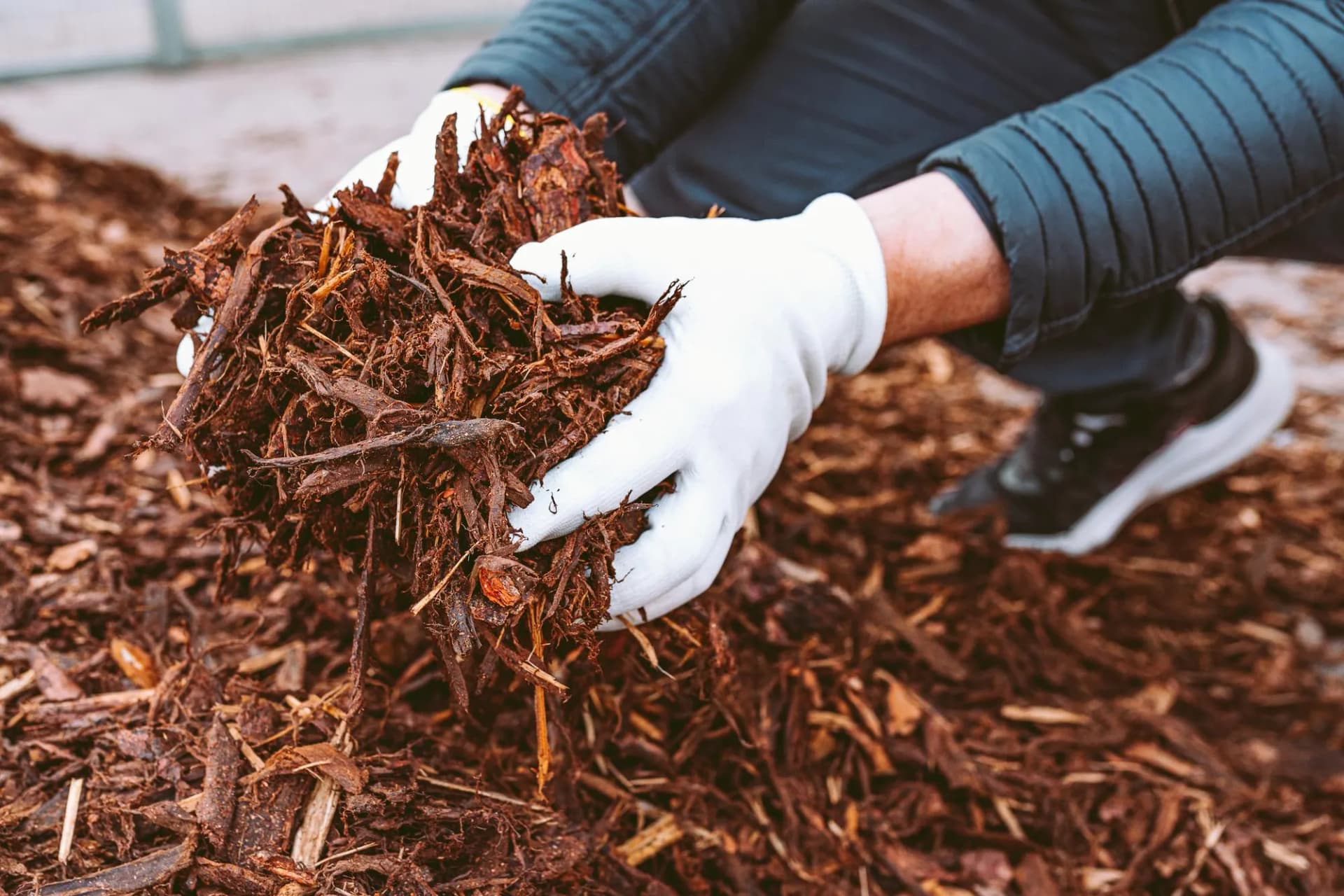
In the fall, mulch gives the roots of trees and shrubs insulation and more stable conditions through winter. In the spring, it mainly suppresses weeds and keeps moisture in the soil during the growing season.

Beginner Guides
How to Mulch in the Fall and When to Wait Until Spring
How to Bottom Water Plants: Complete Guide

6 min read · 13 Jul 2026

How to Bottom Water Plants: Complete Guide

Bottom watering helps soil absorb moisture evenly and keeps foliage dry, reducing the risk of missed dry spots or root problems. Place the pot in a tray of water for a short time, then let it drain well.

Plant Care
How to Bottom Water Plants: Complete Guide