

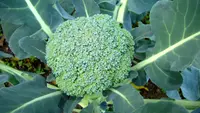

Cabbage (Brassica oleracea var. sabellica) Light Needs

Cabbage grows best in full sun, with consistent direct light for strong, compact leaf growth.

Light Preference

Full Sun

Brassica oleracea var. sabellica Light Requirements

Cultivated Brassica oleracea forms come from open, cool-season habitats where plants receive broad sky exposure and little overhead shade. In gardens, this species behaves the same way: it builds sturdy healthy leaves best when light is direct and consistent, especially during mild spring and fall weather. It can tolerate some partial sun, but shade reduces vigor. It prefers full sun.

  • Ideal exposure:

    Cabbage needs about 6–8 hours of full sun daily, including at least 6 hours of direct sun when temperatures are moderate.

  • Direct sun:

    Established plants tolerate full sun well, but sudden exposure to hot afternoon sun can scorch tender or newly set leaves.

  • Partial sun:

    Part sun is usable if it provides 4–6 hours of direct light, preferably in the morning.

  • Shade limits:

    Open shade or dim conditions usually produce slower, looser growth and smaller leaves.

Strong light is usually a problem only when heat or sudden exposure is involved.

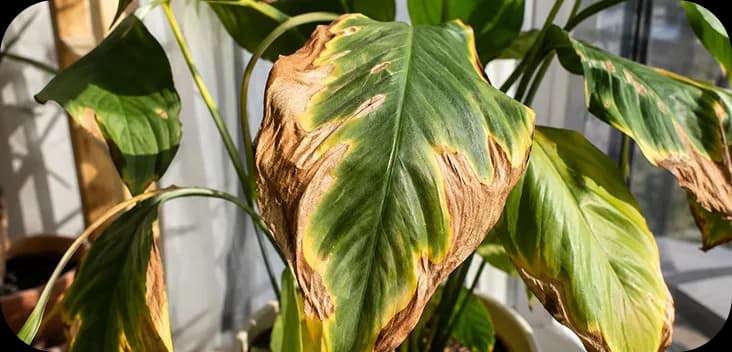
Bleached patches:

Pale tan or white areas may appear on sun-facing leaves after a quick move into intense direct sun.

Papery spots:

Scorched tissue can become dry and thin, especially on outer leaves exposed during hot afternoons.

Midday wilt:

Leaves may droop during harsh afternoon sun, then partly recover when the light softens.

Tough texture:

Newer leaves may feel leathery or coarse when bright light combines with prolonged heat.

Shift the plant to morning sun with light afternoon shade, or use a shade cloth during heat. Introduce brighter exposure over several days after transplanting or moving containers.

Low light causes growth changes before serious decline. Watch the overall shape during active growth.

  • Stretched stems:

    Stems may lengthen as the plant reaches toward stronger light, creating a taller, weaker shape.

  • Leaning growth:

    The whole plant may angle toward the brightest side when light comes from only one direction.

  • Wide spacing:

    Leaves may sit farther apart, making the center look open instead of compact.

  • Smaller new leaves:

    New growth may stay smaller and softer when the plant cannot make enough energy.

  • Pale tender growth:

    New leaves may look lighter than normal when light remains weak during active growth.

Move the plant to a brighter site with direct sun, increasing exposure gradually if it has been shaded for several days.

If full sun is not available, choose the brightest site with morning sun; 4–6 hours of direct light is the minimum useful compromise.

Clear nearby obstructions or rotate containers weekly so all sides receive similar exposure and growth stays even.

A mostly shaded bed is unsuitable because weak light produces loose growth rather than the compact habit expected from this crop.

Get Personalized Care Plan

Scan your plant to receive care tips personalized for your specific plant

FAQ

Cabbage light requirements are full sun for about 6–8 hours daily, with direct light supporting compact, sturdy leaf growth. Part sun can work if shade is limited.

Everything About Cabbage

More Plant Light Guides

Get the Botan App

Discover how to care for your plants with Botan.

Botan app identifying a plant with a phone camera
How to Repot a Plant: A Step-by-Step Guide

7 min read · 28 May 2026

How to Repot a Plant: A Step-by-Step Guide

In spring, many plants need repotting—an essential part of care. To avoid stress, consider the plant’s type and size. This article offers a step-by-step guide for repotting indoors or outdoors and shows how to check plant health and get care tips using the Botan App.

Plant Care
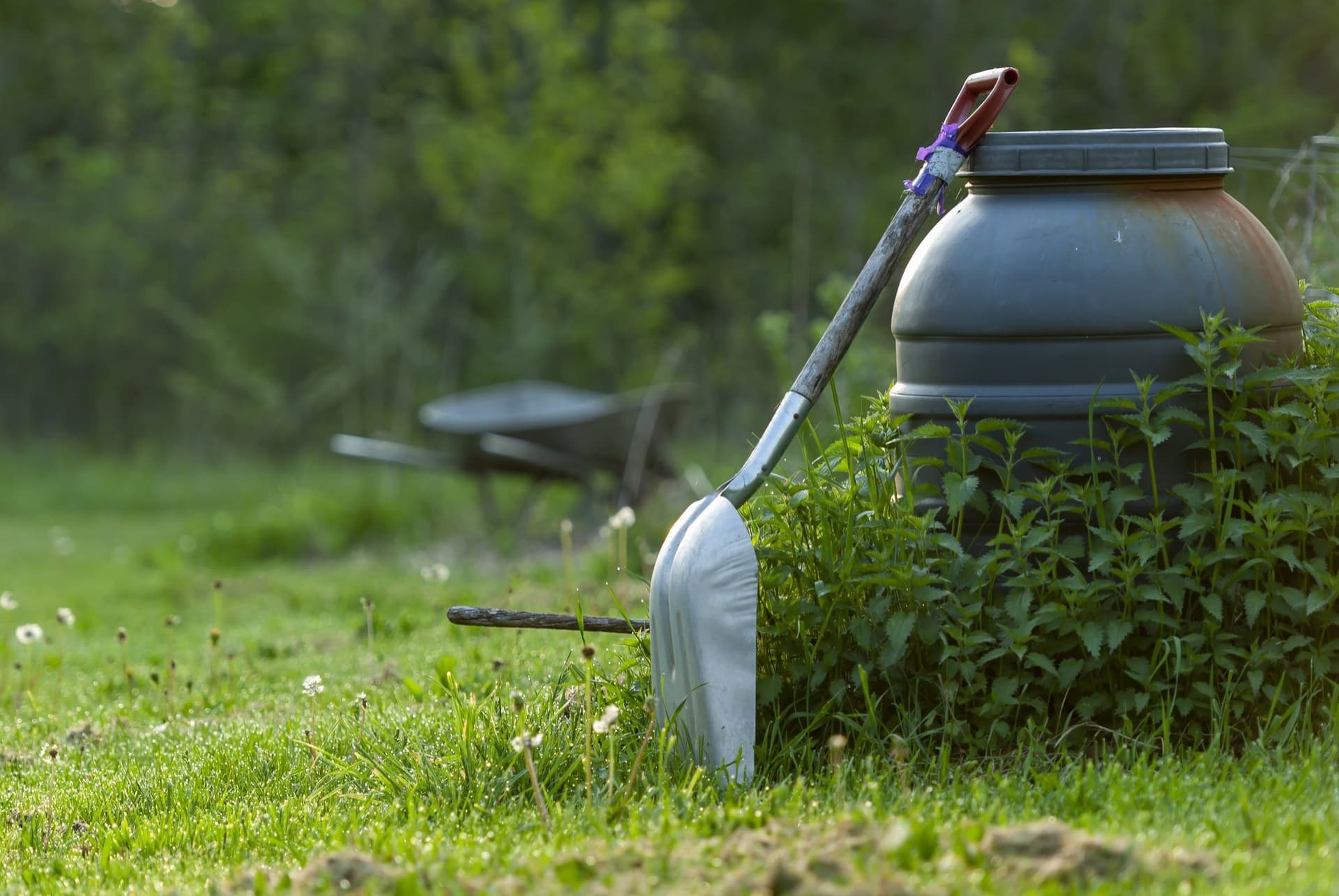
How to Repot a Plant: A Step-by-Step Guide
Best Fertilizer for Grass in Summer: How to Choose the Right One

6 min read · 18 Aug 2026

Best Fertilizer for Grass in Summer: How to Choose the Right One

The right fertilizer in summer can make a lawn thrive. The wrong one can damage it. Here, you’ll learn the best NPK ratios by grass type, when and how to apply your formula, and how to recognize the signs of over- or under-fertilizing.

Plant Care
Best Fertilizer for Grass in Summer: How to Choose the Right One
How to Bottom Water Plants: Complete Guide

6 min read · 13 Jul 2026

How to Bottom Water Plants: Complete Guide

Bottom watering helps soil absorb moisture evenly and keeps foliage dry, reducing the risk of missed dry spots or root problems. Place the pot in a tray of water for a short time, then let it drain well.

Plant Care
How to Bottom Water Plants: Complete Guide